
Benjamin Franklin’s proverb “Hide not your talents, they were made for use. What’s a sundial in the shade?” is one of those quotes that has been repeated so often it risks losing its meaning. Yet every now and then, someone comes along and reminds us exactly why those words endure. For award-winning author Lola Akinmade Åkerström, hiding her talents was never an option. Novelist. Travel writer. Photographer. TEDx speaker. Former GIS developer . Oil painter. Rugby player. Cultural storyteller. Mother. The list feels almost impossibly long, yet somehow every chapter of her life feels connected by a single thread: curiosity.

As she prepares to return to South Africa later this year for her book tour, including appearances at the Open Book Festival in Cape Town and engagements in Johannesburg, Akinmade Åkerström isn't arriving as simply an author promoting her work. She arrives as a woman who has spent decades reinventing herself without ever losing sight of who she is. And perhaps that's her greatest lesson: evolution is not about becoming someone else. It's about becoming more of yourself.
From Lagos to the world
Long before her novels captivated readers across continents, Lola was a curious child growing up in Lagos, Nigeria. Travel was woven into the fabric of her upbringing. Her grandfather worked in shipping. Her father was a geologist. Movement, discovery and exploration were simply part of life. "I grew up in a travelling family," she tells GLAMOUR. "My grandfather was into shipping, my dad was a geologist, and we travelled a lot when I was younger."
It was geography, not literature, that first captured her imagination. But not the geography of maps and mountain ranges. "I was more interested in human geography," she explains. "Why are people in this part of the world different? How does the environment shape them?"
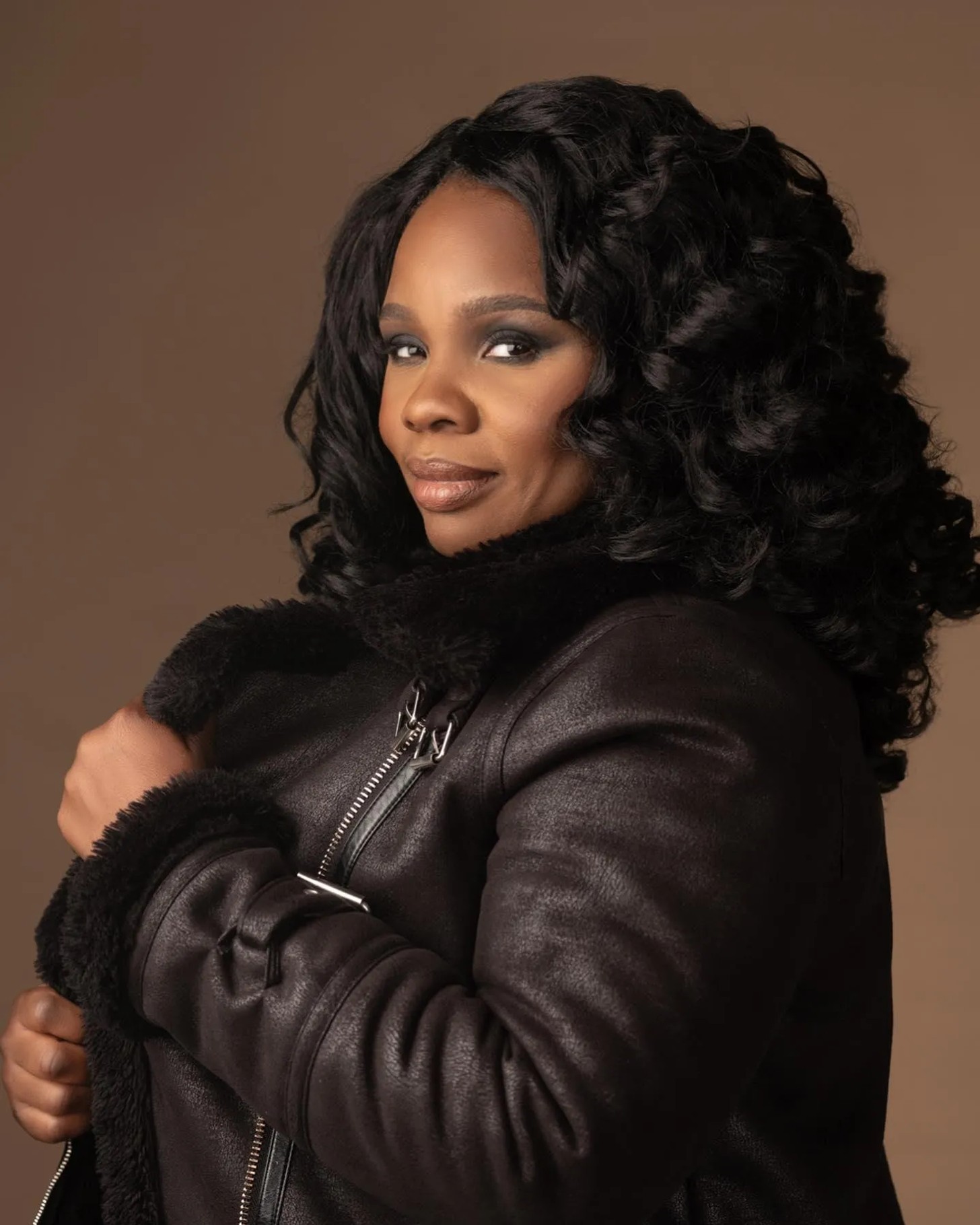
Growing up in Nigeria, surrounded by hundreds of cultures, languages and traditions, she became fascinated by identity and belonging. The questions she asked as a child would later become the foundation of her life's work. What makes us different? What makes us similar? And why do our stories matter?
At just 10 years old, while attending boarding school, she began writing short stories inspired by magazine clippings. She would cut out photographs of strangers, paste them into notebooks and invent entire lives for them. Soon she had accumulated dozens of handwritten books.
"So people could actually sign the books in and out because they were all handwritten," she recalls with a laugh. "I was running my own little book library in my dorm room." Without knowing it, the future storyteller had already arrived.
The tech girl nobody saw coming
If Lola's story ended with writing, it would already be impressive. But then came an unexpected turn. At just 16 years old, she moved to the United States to start college. By 19, she had completed her degree. By her early twenties, she was working in technology as a programmer and systems architect. For more than a decade, she built a successful career in tech.
Many readers who know her today as the acclaimed author behind In Every Mirror She's Black, Everything Is Not Enough and Bitter Honey are often surprised to discover that her first professional identity was not artist but engineer.
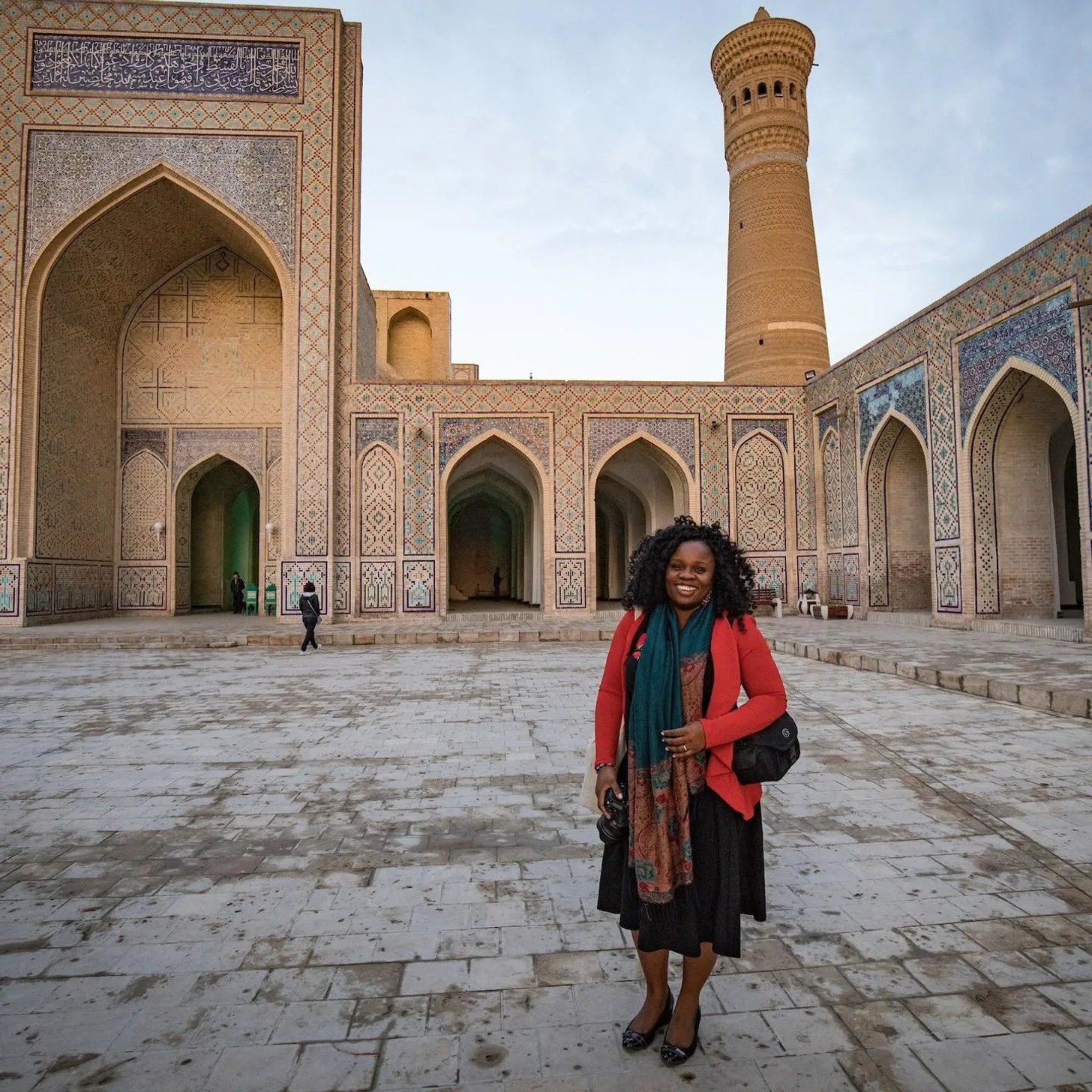
Yet even during those years, something else was quietly unfolding. Travel remained a constant. So did storytelling.
"I knew travel was going to be in my future," she says. "I just didn't know how it was going to manifest itself." The answer arrived in 2002.
The moment everything changed
While living in Ohio, Lola stumbled across a newspaper advertisement seeking volunteers for an expedition race in Fiji. Her role was simple: write daily updates and stories for the event website. Three weeks later, standing waist-deep in a river as competitors carried mountain bikes across the water, she had what she describes as a life-changing revelation.
"I was standing in the middle of the river and I remember looking around saying, 'Look where I am.'" She pauses. "I am the eyes and ears of the people on the other side of the globe. Through my words and through my images, they feel like they are there."
That moment changed everything. "I knew this is what I wanted to do with my life."
The transition wasn't immediate. It took another five years before she left the security of her tech career. But once she did, there was no turning back.
From painter to photographer
Most people know Lola as a photographer. Fewer know that photography wasn't her first artistic medium. Before she was documenting cultures around the world, she was painting them. Oil painting, to be exact. While living in Ohio, she sold original artworks and completed commissioned pieces. Photography initially served as a reference tool for her paintings. But eventually, she realised the camera itself could become her canvas. "I started taking photos with the eyes of an oil painter," she says. The influence remains visible in her work today. Her photographs are rich in colour, texture and contrast. The painter never disappeared. She simply found a new medium.
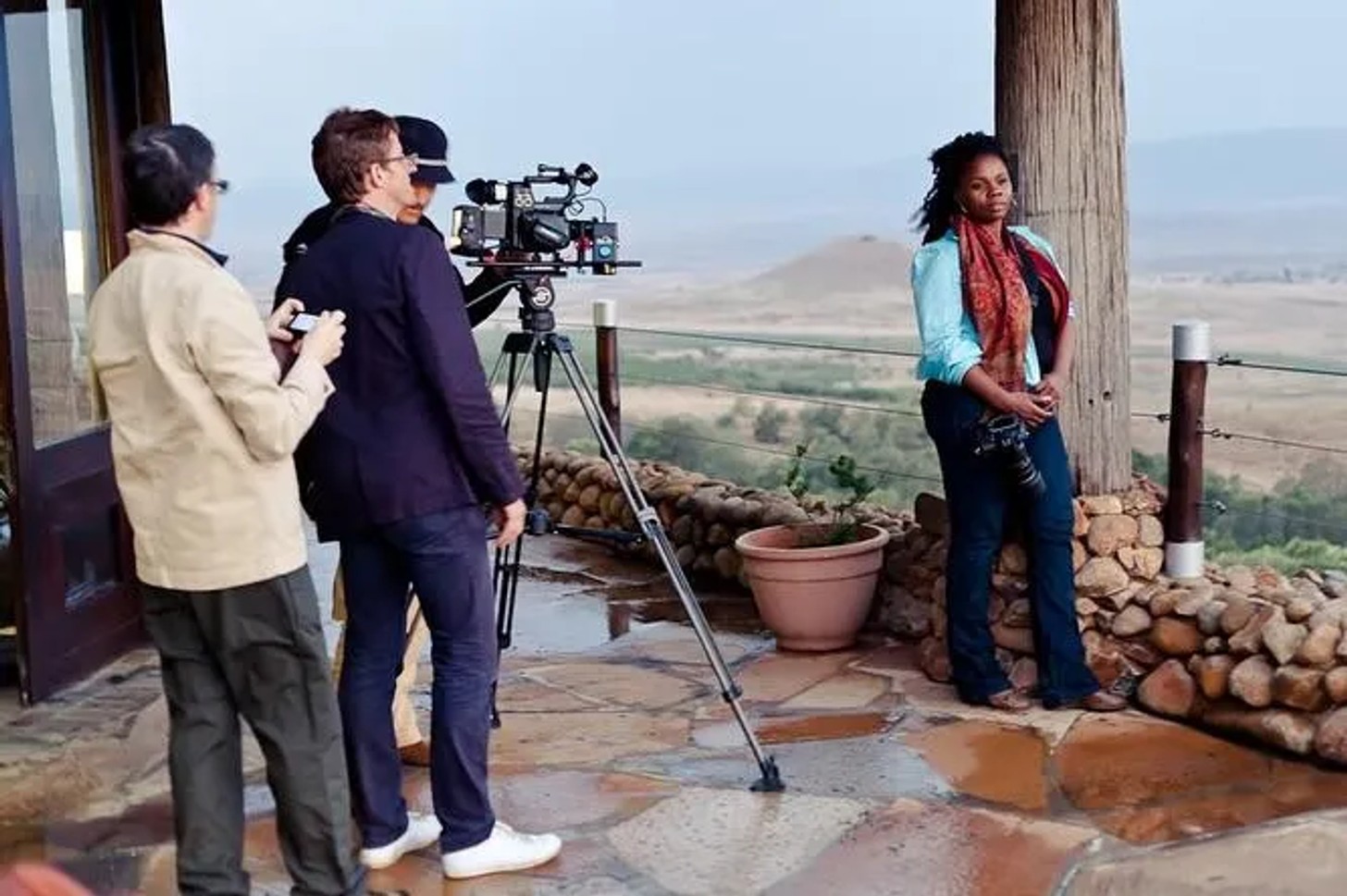
Refusing the box
When Lola moved from Nigeria to the United States and Sweden, she encountered something she had never experienced before. Boxes. Labels. Assumptions. Suddenly, other people wanted to define who she was before she had the chance to define herself. But she refused.
"I've always just been myself," she says. "When you are yourself unapologetically, you become impossible to ignore." It's a philosophy that has guided every chapter of her career. While others worried about relevance, she focused on growth. "I don't focus on relevance at all," she says. "I just try to listen to where God wants me to evolve."
The distinction is important. Relevance is external. Evolution is internal. One is driven by trends. The other is driven by purpose.
The novelist emerges
By the time Lola published her first novel, she was already an accomplished author. Her travel book Due North earned recognition from the Association of American Travel Writers, while Lagom: The Swedish Secret of Living Well would go on to be translated into more than 15 languages. But fiction offered something different. It gave her space to explore identity, migration, race, belonging and womanhood in ways journalism could not.
Her breakthrough novel, In Every Mirror She's Black, examined the experiences of Black women navigating life in Sweden. It was followed by Everything Is Not Enough and the critically acclaimed Bitter Honey, a novel that has resonated deeply with readers around the world.
While her characters are fictional, the emotional truths behind them often come f
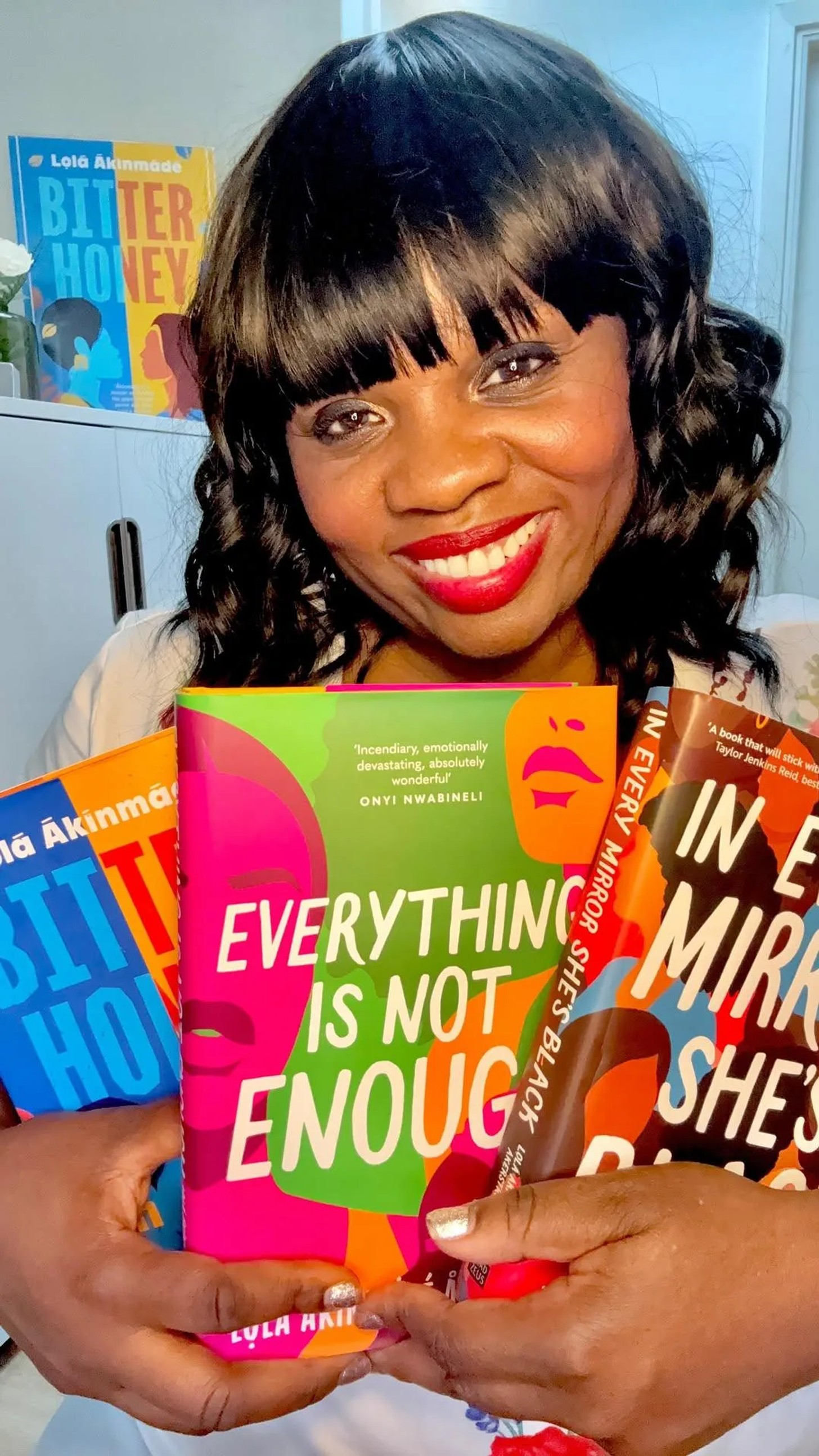
rom lived experience. Speaking about Bitter Honey, she reflects on navigating divorce and rebuilding her life.
"Nobody goes into marriage expecting to get divorced," she says. "You have a vision for your life and then you get derailed from that." The emotions were raw. The grief was real. "So how do you pick up life again and create a new vision? A new future?" It's this honesty that makes her work so powerful.
Readers see themselves in her characters because the emotions feel familiar. Loss. Hope. Reinvention. The courage to begin again.
Motherhood, rugby and radical self-care
There are moments during our conversation when Lola reveals another layer of herself.
And then another. and another. She played rugby at an elite level. She founded a women's rugby team in Ohio. She advises a mental health startup.She's fiercely protective of her two children. And she speaks about motherhood with the kind of tenderness that can only come from lived experience. "Being a mom is the biggest privilege I've been given in life," she says. "The biggest responsibility. The biggest gift." But she's equally committed to showing her children that motherhood is only one part of her identity. "Mom is one thing," she says. "But mom also has passions and purpose." It's a lesson many women spend years learning. You do not have to disappear in order to nurture others.
The power of making space
Perhaps the most striking thing about Lola is how generously she talks about success. There is no scarcity in her worldview. No competition. No gatekeeping. Instead, she offers a beautiful metaphor. "The sky is big enough for all birds to fly." She believes in celebrating those who came before her. Giving people their flowers. Acknowledging the paths that made her own journey possible. "I know they crawled so I could walk and somebody else can run." In an era obsessed with personal brands and individual success, it's a refreshingly communal perspective.

Coming to South Africa
This September, South African readers will have the opportunity to meet Lola in person as she embarks on a tour, including appearances at the Open Book Festival in Cape Town and engagements in Johannesburg.
For an author whose novels have found a passionate audience in South Africa, the visit feels less like a promotional stop and more like a homecoming.
"I am beyond thrilled and grateful," she says. "I can't wait to meet the readers of the books." After decades spent crossing continents, changing careers, reinventing herself and telling stories that connect cultures, Lola Akinmade Åkerström continues to prove that evolution isn't a destination. It's a practice. A choice. A way of living. And perhaps that's the real secret behind her remarkable career. Not that she's a novelist. Or a photographer. Or a traveller. Or even all of those things combined. It's that she never stopped becoming. "I don't try to stay relevant," she says. "I just try to listen to where God wants me to evolve." And that, more than anything, is what makes Lola Akinmade Åkerström extraordinary
Original article appeared on GLAMOUR's 2026 Women's month issue. OUT NOW
Recent stories by:
Sindeka Mandoyi

Resigning Soon? 5 Ways to protect your professional reputation

Stylist and creative director Panashe Ndhlovu on the women who inspired her journey

5 Best workouts to help get rid of back handles and tone your back

Setting powder vs. Finishing powder: The glow-Up guide to getting it right


