
When Sue Nyathi first published The Polygamist in 2012, few could have predicted that the novel would go on to become one of Southern Africa's most beloved contemporary fiction titles. More than a decade later, the book that readers spent years calling "cinematic" has finally made its way to television, and according to Nyathi, it more than lives up to expectations. After watching the completed adaptation herself, the Zimbabwean-born author admits she intended to savour it one episode at a time. Instead, she found herself binge-watching, unable to stop because she needed to know what happened next.
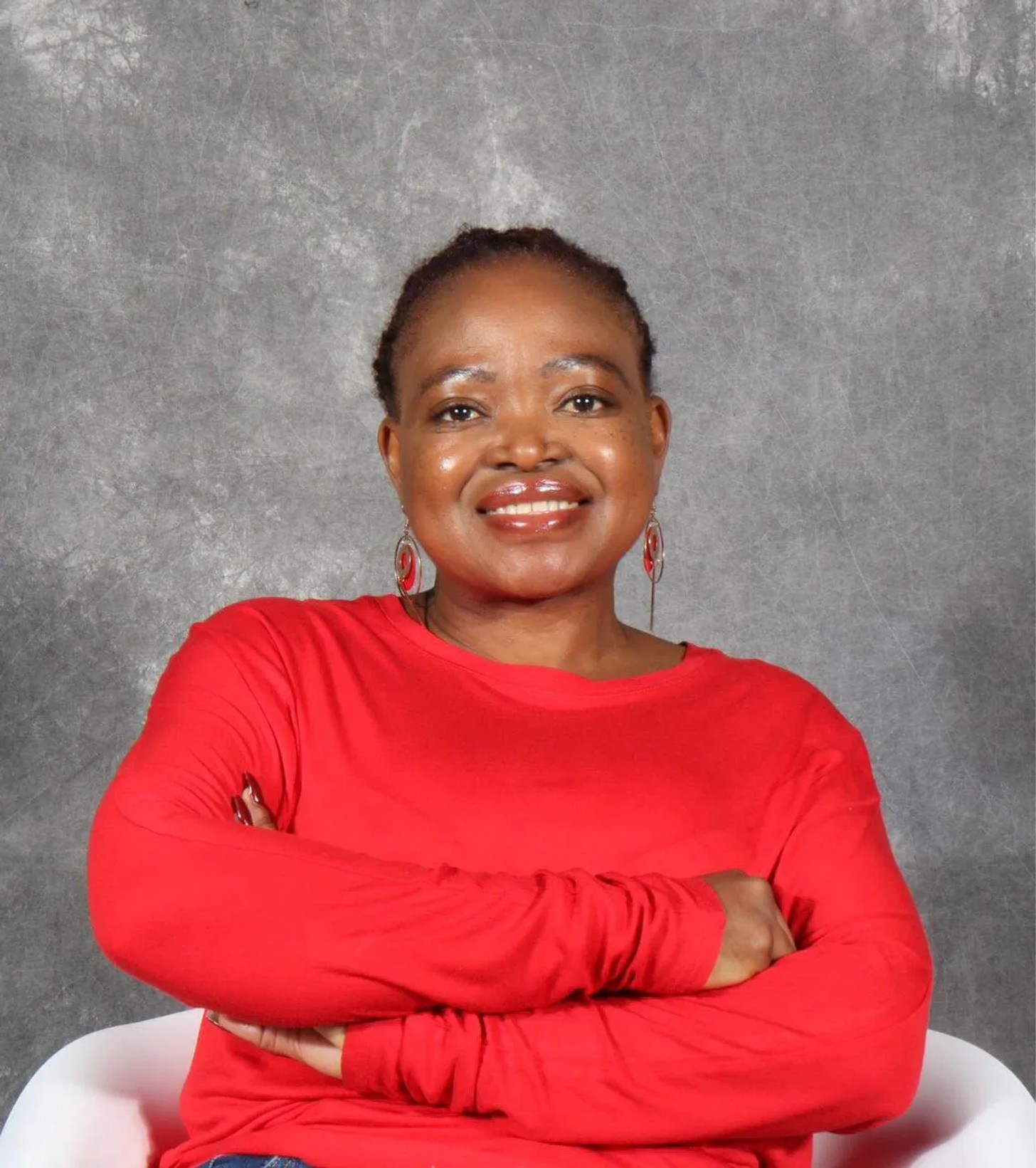
The journey to this moment has been anything but straightforward. Before becoming a bestselling author, Nyathi struggled to find a publisher willing to take a chance on her debut manuscript. After numerous unsuccessful attempts with mainstream publishers, she made the bold decision to self-publish The Polygamist - a move she has since described as the decision that jump-started her writing career. What began as a self-funded passion project written on weekends while working in finance and economic development consulting would eventually become a word-of-mouth phenomenon across Southern Africa.

Set in modern-day Zimbabwe, The Polygamist follows four women whose lives become entangled through their relationships with the charismatic and wealthy Jonasi Gomora. Narrated through the perspectives of Joyce, Matipa, Essie and Lindani, the novel explores love, betrayal, power, ambition and the realities of what Nyathi describes as a modern form of polygamy that often feels closer to "infidelity sanitised as marriage" than traditional cultural practice.

Since then, Nyathi has established herself as one of the most compelling voices in contemporary African fiction, going on to write acclaimed novels including The Gold Diggers, A Family Affair, An Angel's Demise and most recently Rubies and Rain. Her work consistently centres African women, exploring family, migration, marriage, ambition and the societal expectations placed upon them.
Yet despite the success of her later novels, The Polygamist remains the book readers return to again and again. Nyathi believes that is because people continue to see themselves in its characters. Whether they identify with Joyce, Essie, Lindani or Matipa, the questions at the heart of the novel - about love, power, marriage and self-worth - remain as relevant today as they were fourteen years ago.
Ahead of the highly anticipated series launch, GLAMOUR sat down with Nyathi to discuss the long road from self-publishing to screen adaptation, the realities behind modern polygamy, and why the story continues to resonate with readers across the continent.
GLAMOUR: Fourteen years after The Polygamist was first published, the novel is finally making its way to television. How does it feel to see the story come full circle?
SUE NYATHI: It's incredibly exciting. The journey to screen has actually been much longer than most people realise. Interest in adapting the book began not long after it was published, as early as 2013. Over the years, there were several attempts by different producers and production companies to develop it, but for various reasons those projects never materialised. There were a lot of starts and stops along the way. Then Stained Glass came on board and everything finally aligned. To see a story that has lived on the page for so many years take on a completely new life on screen is deeply rewarding.

GLAMOUR: When you were writing the novel, did you ever imagine it would one day become a television series?
SUE NYATHI: Not at all. I hoped the story would travel and reach readers beyond its immediate audience, but I never specifically imagined a television adaptation. What happened instead was that readers started imagining it for me. People constantly told me that the writing felt visual and cinematic. They would say, "This should be a movie," or, "This should be a television series." Long before there was any serious discussion about adapting it, readers could already see it on screen. In many ways, they manifested this moment before I did.
GLAMOUR: What originally inspired you to write The Polygamist?
SUE NYATHI: I was interested in examining the version of polygamy that I was increasingly seeing around me, which often felt very different from the traditional structures I had grown up hearing about. Traditionally, polygamy functioned within a particular cultural framework, often with the first wife playing a significant role in how the family structure evolved.
What I was observing instead were situations where women were being forced to accept arrangements that they had never agreed to, often after years of marriage. In many cases, what we call polygamy today can feel like infidelity being legitimised through marriage. I also come from a family with a history of polygamy. My maternal grandfather had five wives and my grandmother was the first wife. Hearing those stories made me curious about how modern women navigate these relationships, especially when they have more education, independence and choices than previous generations. That curiosity became the foundation of the novel.
GLAMOUR: The story centres women and their experiences rather than the man at the centre of the marriage. Was that always intentional?
Sue Nyathi: Absolutely. Although the story revolves around Jonas and the consequences of his choices, it was never really his story. From the very beginning, I wanted to tell the story through the perspectives of the women because they are the ones who carry the emotional weight of those decisions. The novel has always been about women's voices, women's resilience and women's journeys towards reclaiming their power. One of the things I appreciated most about the adaptation is that it preserved that intention. The story remains rooted in the experiences of the women, which was very important to me.
GLAMOUR: What was it like seeing your characters brought to life by such an accomplished cast?
Sue Nyathi: It was honestly amazing. When I watched the series, I was genuinely blown away by the performances and the overall production. The casting felt incredibly thoughtful and authentic. Every actor brought something unique to their character while still preserving the essence of who that person was on the page. As a writer, there is always a degree of anxiety when your work moves into another medium because you are entrusting your characters to other people. But watching the series, I felt like I was meeting these characters again in a new form. The actors honoured them beautifully.

GLAMOUR: Adaptations often spark debates about whether the book is better than the screen version. How do you view that conversation?
Sue Nyathi: I think it's important to remember that books and television are fundamentally different mediums. A novel gives you the space to explore a character's inner world in great detail, while television relies on visuals, performances and pacing to tell a story. Because of that, certain changes are inevitable. What impressed me about this adaptation was how respectfully the writers approached the source material. They understood the heart of the story and protected it. In fact, when I read the scripts, I found myself reading them like I would read a novel. Even though I knew exactly what was going to happen, I still wanted to keep turning the page. That's when I realised they had captured the spirit of the book.
GLAMOUR: Were there moments while watching the series that surprised you?
Sue Nyathi: The emotional intensity surprised me. There were scenes that made me stop and think, "What state of mind was I in when I wrote this?" Revisiting the story through the series reminded me just how emotionally layered these characters are and how much they go through. At the same time, I was pleased to see that the humour translated onto the screen. People often focus on the heavier themes in The Polygamist, but there is humour woven throughout the story. The adaptation captures that balance very well. It allows viewers to laugh, feel uncomfortable, empathise and reflect, sometimes all within the same episode.
GLAMOUR: The demand for the novel has surged again ahead of the series launch. Why do you think readers continue to connect with The Polygamist more than a decade after it was published?
Sue Nyathi: It's been wonderful to see. That said, The Polygamist has always been an evergreen title. Since it was first published in 2012, readers have continued to discover it. I think it's because people recognise themselves in the characters. Whether you're a Joyce, an Essie, a Lindani or someone else entirely, there's usually a character whose experiences resonate with you. The themes explored in the novel are still relevant today. We're still having conversations about marriage, relationships, power, identity, gender roles and what women are expected to endure. Those issues haven't disappeared, which is why the story continues to find new audiences. It's been wonderful to see renewed interest in the book, and I'm excited for a whole new generation of readers to discover it.
GLAMOUR: Finally, what can viewers expect from the television adaptation?
Sue Nyathi: If the book is a page-turner, then the series is absolutely a binge-watch. I initially intended to watch a few episodes at a time because I wanted to savour the experience, but that plan disappeared very quickly. Before I knew it, I was several episodes in because I needed to know what happened next. The storytelling moves at a fast pace, the performances are compelling and there are emotional twists throughout that keep you invested in every character's journey. It's a series that draws you in completely. I think viewers will find themselves deeply immersed in this world and, much like readers of the novel, they won't want to leave it.
Recent stories by:
Sindeka Mandoyi

Megan Thee Stallion shares her Victoria’s Secret show workout routine, and we’re taking notes

Cardi B’s Tiny Desk performance proves her star power is undeniable

Manana performs ‘Remember Me’ with Cynthia Erivo at the Hollywood Bowl

Best morning workouts to start your day with more energy


