
For years, Yolanda hid her vitiligo behind foundation, scarves, and high-neck tops, fearful of the questions and judgment that often came with visible skin differences. Diagnosed after noticing a small white spot on the back of her neck in 2013, she struggled with self-acceptance, confidence, and the emotional impact of living with a condition she knew little about at the time.
Today, the model and advocate is using her voice to challenge beauty standards, raise awareness, and encourage others to embrace what makes them unique. Through her journey from concealment to confidence, Yolanda has learned that true beauty is about showing up authentically and unapologetically.

In recognition of Vitiligo Awareness Month, she shares her story of resilience, self-discovery, and the power of representation.
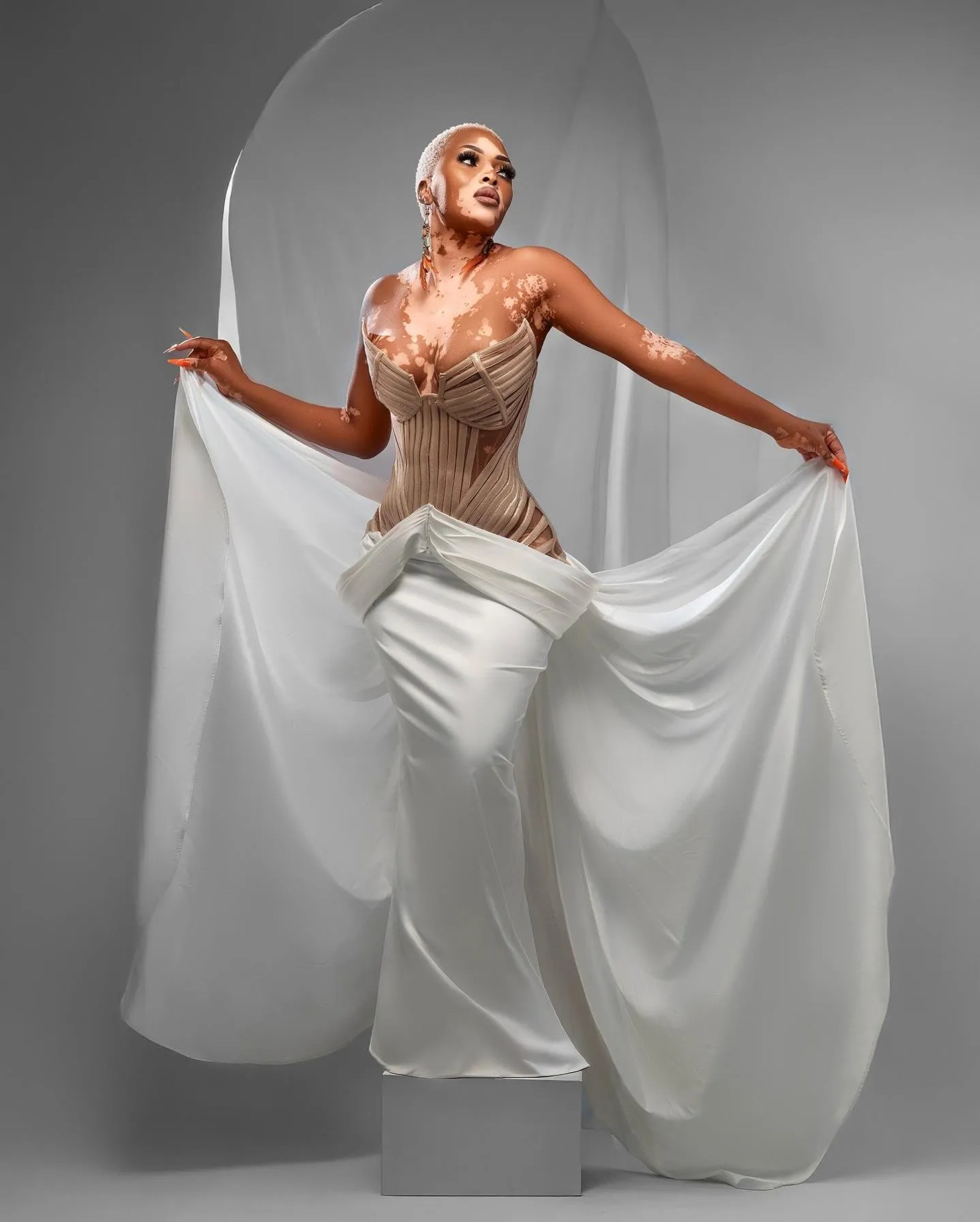
GLAMOUR: Can you take us back to when you first noticed signs of vitiligo?
Yolanda: I noticed vitiligo in 2013. It started as one small dot on the back of my neck, and I was worried because I didn’t know what it was. I even thought it would stay that way.
But it grew over time, and people started noticing too. I didn’t know how to explain it, so I made a plan to hide it. Since I worked in retail as a cosmetic consultant, I covered it with my foundation. If I wasn’t fully covered, I’d use a scarf or wear a high collar top. I stayed hiding it for about 6 to 6 years, and then I finally came out with it.
GLAMOUR: What was that experience like for you?
Yolanda: Honestly, it was horrific and really scary especially as a young woman. I didn’t understand what I was dealing with, and I’d never really seen anyone with vitiligo before. I felt like I was the first person to notice it on myself.
At the time, even when I watched TV, I couldn’t tell who had it, because even Leleti Khumalo on Uzalo, was concealing it with makeup. She just looked light skinned, so couldn't tell if it was vitiligo then. Then Instagram started booming, and because I’m into fashion, I watched shows like America’s Next Top Model. That’s when I discovered Winnie Harlow. When I heard her story, I realised that’s what I had. I started learning more, following her and her story, and that’s how I began understanding it.
GLAMOUR: How did your diagnosis impact the way you saw yourself at the time?
Yolanda: Before vitiligo, I was a very confident child. Even though I was different, it never dimmed my light. I still stood out and went after what I wanted. But once I got diagnosed, my confidence dropped. I started doubting myself, and it affected how I saw everything. Things that I used to handle easily, I didn’t believe I could anymore, so I even missed opportunities because of it. I had to adjust to this new reality, even though it wasn’t who I truly am. I’m naturally confident, so looking at myself changed things for me and it delayed me with some of the goals I had.
GLAMOUR: What have been some of the biggest challenges you've faced while living with vitiligo?
Yolanda: The biggest challenges were people noticing it and asking me questions I didn’t have answers for. It also affected my relationships because I hadn’t accepted it, I would push people away, even when I was interested, just so they wouldn’t discover it through me. It also limited some opportunities. For example, there were competitions like modelling that I wanted to enter, but I knew that at some point I’d have to show it off and have to explain it, and I wasn’t ready.
Sun exposure was another big challenge. I didn’t understand vitiligo at the time, so I didn’t know which products to use. When I got too much sun, my skin would react and I would often get irritation and itching because I wasn’t using the right care. Also, family members treated me differently all of sudden
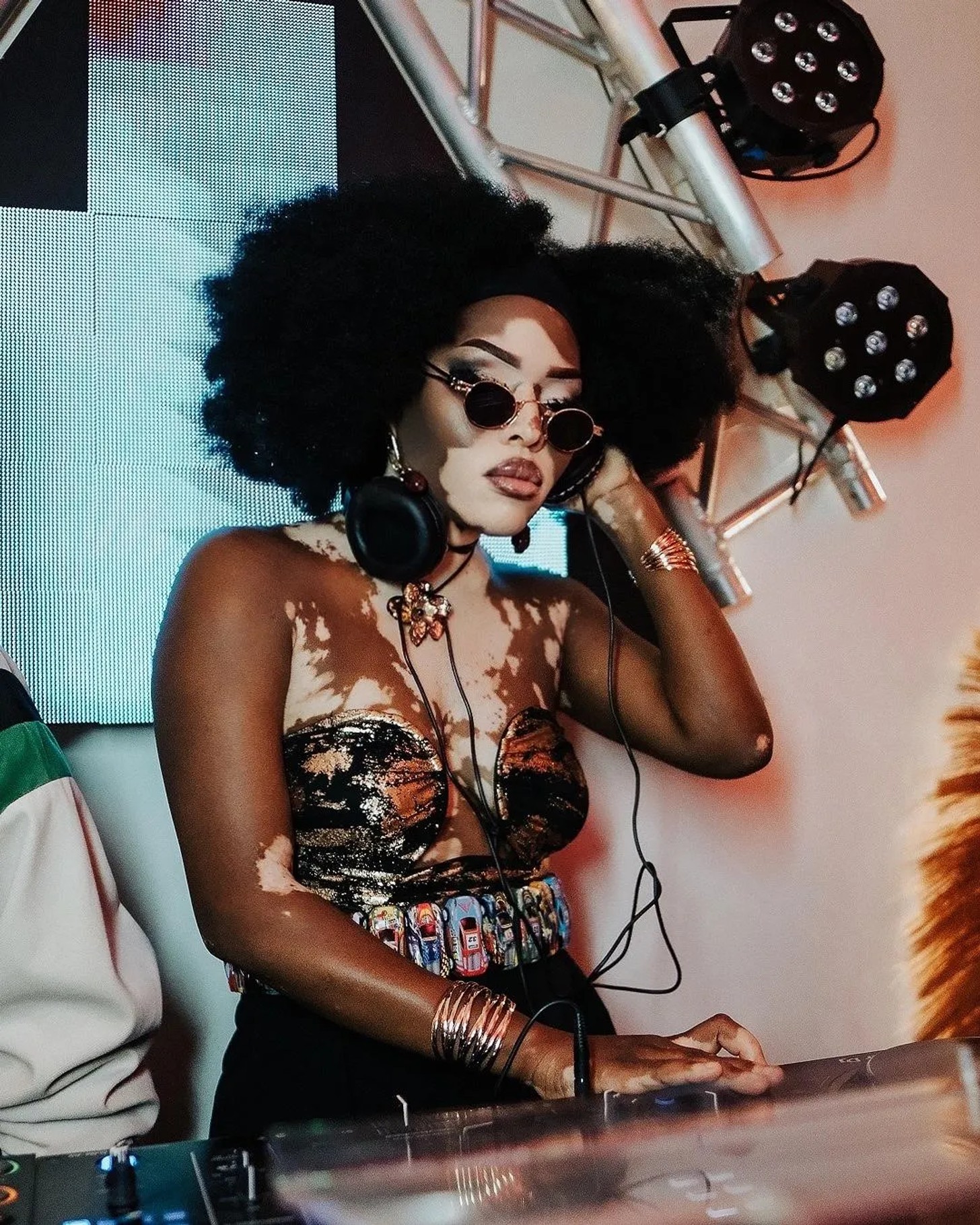
GLAMOUR: How has vitiligo shaped your understanding of beauty and self-confidence?
Yolanda: Vitiligo has shaped my understanding of beauty in a real way. It taught me that beauty isn’t about hiding or changing yourself to fit what people expect, it's about owning who you are. At first, I struggled with self-confidence because I felt like I had to cover myself and worry about what others would think. But over time, I started to see that my confidence doesn’t come from perfect skin. It comes from how I carry myself, how I speak, and how I choose to show up. Now I’m more confident in being seen, and I focus on celebrating myself instead of constantly managing how people look at me.
GLAMOUR: In a world that often promotes narrow beauty standards, how have you learned to celebrate your uniqueness?
Yolanda: In a world that pushes narrow beauty standards, I learned to celebrate my uniqueness by changing what I focus on. At first, I spent so much energy trying to cover vitiligo, so I could fit in. But that made me feel like I had to earn the right to be confident.
Over time, I realised my uniqueness is part of me, not something I should apologise for. I started embracing my skin and learning how to present myself in a way that makes me feel comfortable—whether that’s through makeup, skincare, or just letting people see me naturally. Now I celebrate my uniqueness by remembering that beauty is more than appearance. It’s confidence, character, and how I show up. When I accept myself fully, I stop trying to shrink and I start shining in my own way.
GLAMOUR: Have you ever felt pressured to hide your vitiligo?
Yolanda: Yes. I felt pressured to hide my vitiligo—mainly because I didn’t understand it and I didn’t know how people would react. In the beginning, I was scared of being noticed and asked questions I couldn’t answer, so I chose to conceal it. I covered it with makeup and sometimes used things like scarves or higher collars to make sure it wasn’t visible. For years, hiding it felt like the safest way to protect myself, even though it also affected my confidence and how free I felt being me.
GLAMOUR: How do you navigate those moments today?
Yolanda: Today, I navigate those moments with more awareness and more confidence. When people notice my vitiligo or ask questions, I don’t panic like I used to. I remind myself that I don’t owe anyone an apology for my skin. I also handle it based on what feels comfortable for me at that moment. If I feel like I want to explain, I share what I know. If I don’t, I keep it simple and move on. Most importantly, I’ve learned to see my uniqueness as part of who I am. I don’t hide anymore—I manage my comfort, I care for my skin, and I choose to show up the way that lets me feel strong.
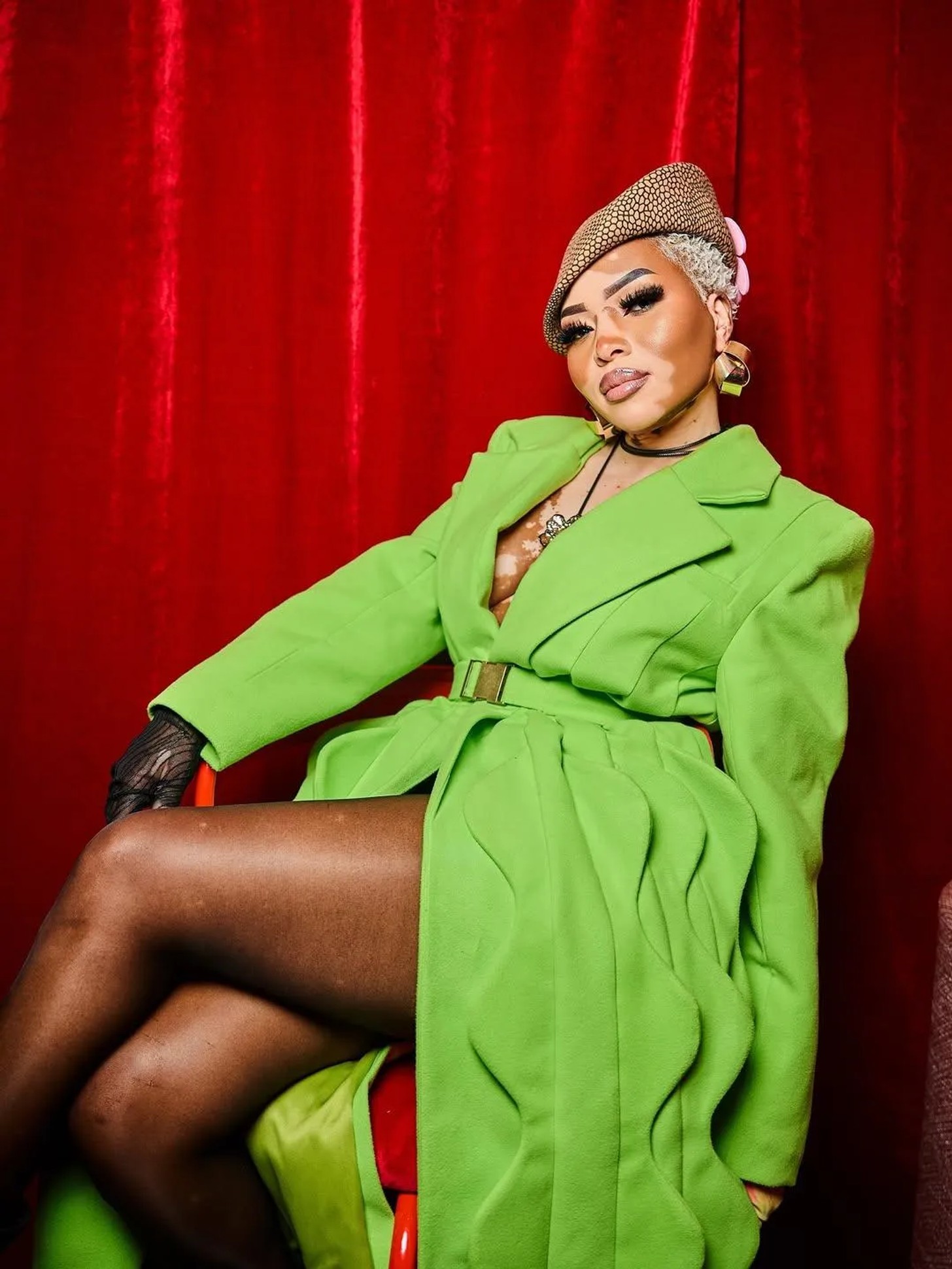
GLAMOUR: What role has self-care, whether through skincare, fashion, wellness, or community, played in your journey?
Yolanda: Self-care has played a huge role in my journey. It helped me move from fear to control, and from hiding to feeling comfortable in my own skin. Skincare and sun protection gave me a way to take care of myself instead of just reacting to my skin. Learning what works especially when I’m exposed to the sun helps me feel calmer and less irritated.
Fashion also helped me build confidence. Styling my outfits in a way that makes me feel good whether it’s how I cover certain areas or how I present myself made me feel more in control and more like me. And community has been a major part of it too. Connecting with people who understand vitiligo, and learning from advocates online, helped me realize I’m not alone. It gave me strength, information, and the confidence to show up without shame.
GLAMOUR: How has sharing your story publicly affected your relationship with vitiligo?
Yolanda: Sharing my story publicly has changed my relationship with vitiligo in a big way. It helped me stop seeing it as something I’m ashamed of and start seeing it as part of my journey. When I share, I remove the fear. Instead of hiding or worrying about people judging me, I can educate, connect, and be honest. It also reminds me that my story can help someone else feel seen and understood. Most importantly, it turned vitiligo from a “secret problem” into something I can own. Now I don’t carry as much stress, I carry confidence.
GLAMOUR: Why is representation of people with visible skin differences so important in media, fashion, and beauty?
Yolanda: Representation of people with visible skin differences is important because it normalizes real skin, reduces stigma, and promotes inclusion. It also improves accuracy and understanding in media, fashion, and beauty by showing lived experiences not stereotypes while helping people see themselves and build confidence.
GLAMOUR: What are some of the most common misconceptions people have about vitiligo?
Yolanda: The most common misconceptions about vitiligo are that it’s contagious, caused by something “catching,” and that it’s only a cosmetic issue with no broader impact. People also wrongly assume it always spreads everywhere, that it automatically turns the skin fully white, and that there’s one single cure or treatment that works for everyone.
GLAMOUR: What would you like South Africans to better understand about the condition?
Yolanda: I’d like South Africans to better understand that vitiligo is not contagious so you can’t “catch it,” that it varies from person to person, and that people living with vitiligo may also experience emotional stress because of stigma. They should also understand that vitiligo is a real skin condition with potential links to other health concerns in some individuals, and that skin care and sun protection can help manage symptoms.
GLAMOUR: Has living with vitiligo changed the way you approach life, relationships, or opportunities?
Yolanda: Yes, living with vitiligo changed the way I approach life, relationships, and opportunities. I became more intentional about self-care and sun protection to reduce irritation and feel more comfortable in my skin. In relationships, I hid it for years, which made dating harder and limited how open I could be. In terms of opportunities, it sometimes affected my confidence in modelling and other spaces due to fear of questions and judgement, but sharing my story helped me show up with more confidence and pursue opportunities.
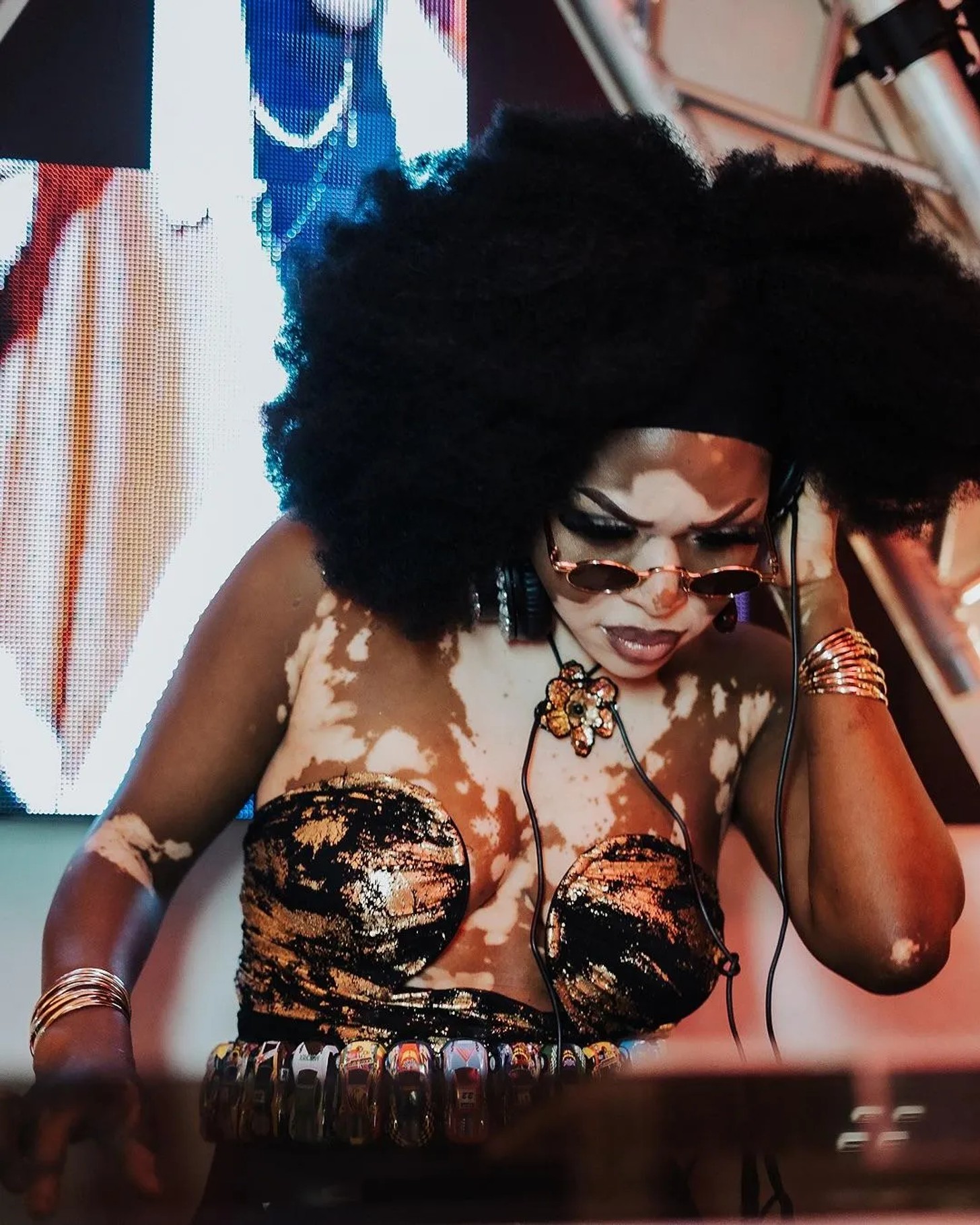
GLAMOUR: What advice would you give to someone who has recently been diagnosed and is struggling with self-acceptance?
Yolanda: Getting diagnosed with vitiligo can shake your confidence, but you don’t have to face this alone. Be gentle with yourself and remember that your worth isn’t defined by pigment. Start by learning the facts about the condition and what helps your skin, including sun protection and appropriate skincare. If you can, connect with someone who understands online communities, support groups, or a dermatologist so you’re not carrying fear in silence. Focus on what you can control today, like self-care routines, and give yourself time to adjust. And when you’re ready, let your story be yours because owning it is what rebuilds self-acceptance.
GLAMOUR: During Vitiligo Awareness Month, what message would you like to share with readers about confidence, identity, and embracing what makes us different?
Yolanda: Confidence starts when you stop viewing your skin as a problem and start viewing it as part of your identity. Your visible difference doesn’t reduce your beauty, it makes you real, memorable, and human. Embrace what makes you different with pride, because representation matters and your story can educate others, break stigma, and open doors for the next person to feel seen and safe. When you choose to own your skin, you reclaim your power one day, one look, one moment at a time.
Recent stories by:
Thobeka Phanyeko

The inspirational story of Season Creations: A Journey of Healing, Heritage, and Bold Expression

7 Signs of financial abuse and how to break the chains according to Financial Adviser at Momentum Financial Planning, Ralene Grobler

Heritage Month: Authors we love!

Heritage Month: Meet the African Storytellers On Our Radar

Wellness Wednesday: Why self-love is the foundation of every healthy relationship
GLAMOUR Recommends
Beauty is changing the face of gaming. Here's how it could infiltrate your skincare and makeup routine
Is it ever too late to start taking care of your skin?
Winnie Harlow says America's Next Top Model made her feel like she would never succeed
South African model Boitumelo Rametsi collaborates with Rihanna’s Savage X Fenty


