
With its blend of dark comedy, outrageous twists and small-town intrigue, Koek has returned for a second season that raises the stakes in every possible way. Created by acclaimed screenwriter Christiaan Olwagen (Recipes for Love & Murder, Kanarie), the hit show continues to embrace chaos, proving that in the world of Koek, Murphy’s Law is still the only rule that matters.
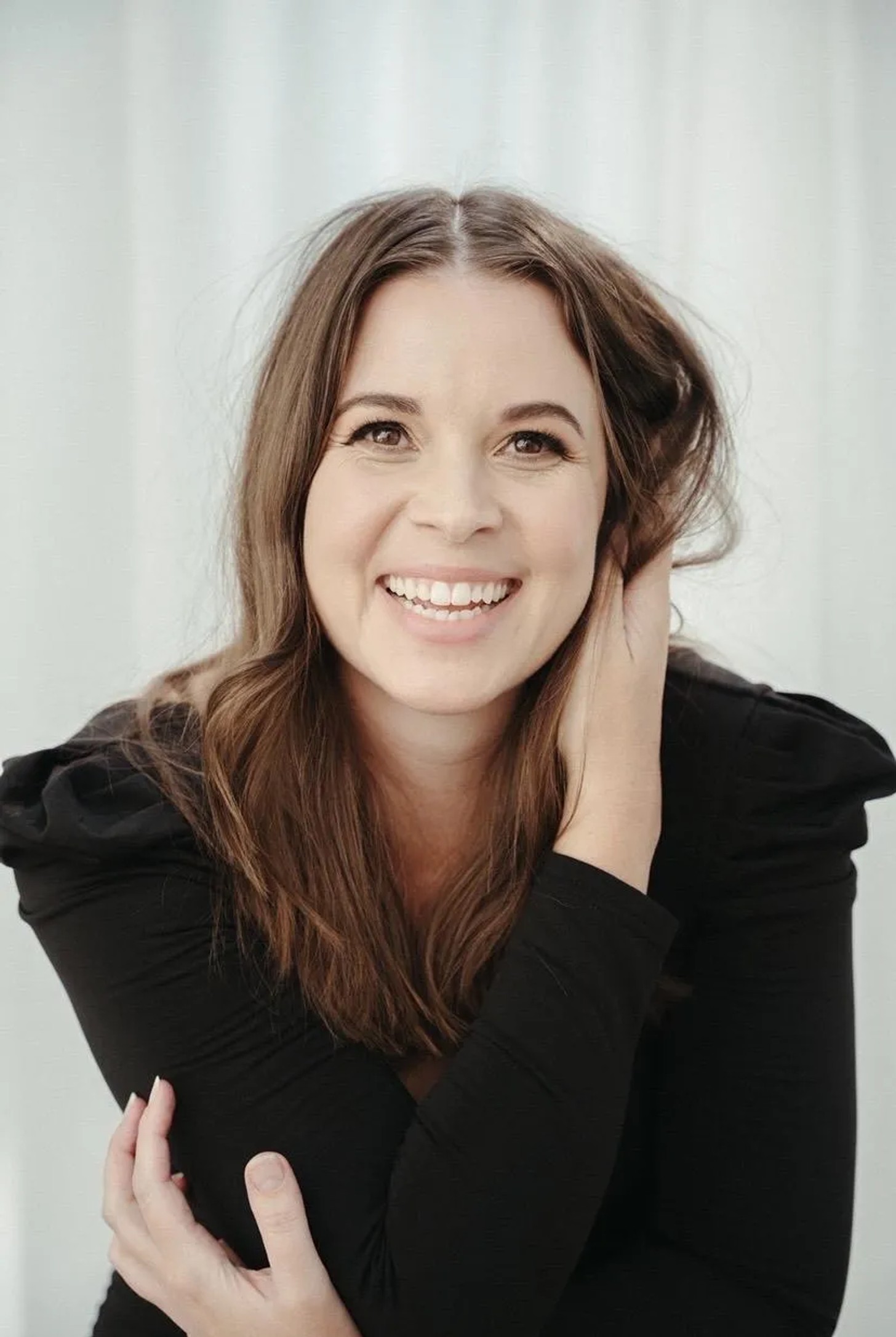
Joining the creative team this season is award-winning filmmaker Eva du Preez, known for her work on Die Oord. Stepping in as co-director alongside Olwagen and Johannes Pieter Nel, while also taking on editing duties, du Preez brings a fresh perspective to the crime-comedy's uniquely offbeat universe. From navigating fan expectations to portraying womanhood in all its complexity, she discusses what drew her to the series, how Season 2 pushes the story even further, and why honest storytelling remains at the heart of her work.

Let’s start with how you became involved in the second season of Koek – you weren’tpart of S1, but here you are acting as one of the directors and as editor?
Christiaan and I have been toying for some time with idea of tackling a TV series together asco-directors. With Koek’s second season, the opportunity arose to combine forces and lightenthe load for Johannes Pieter Nel, as he had handled both the direction and cinematography ofthe first season. And so, I became involved as co-director and editor, which was a veryexciting and creative process for me.
What were your impressions as a viewer of the first season?
I was originally supposed to do the editing for the first season but unfortunately could not make it work due to other commitments. However, I did read the scripts before filming and was immediately enthusiastic. When the series eventually aired, I finished watching it within two days. It’s totally my taste and type of humour. I was a big fan of Koek from early on.
And when you saw the season 2 scripts? Did you have any immediate ideas about what you would like to do with the season, or with specific scenes?
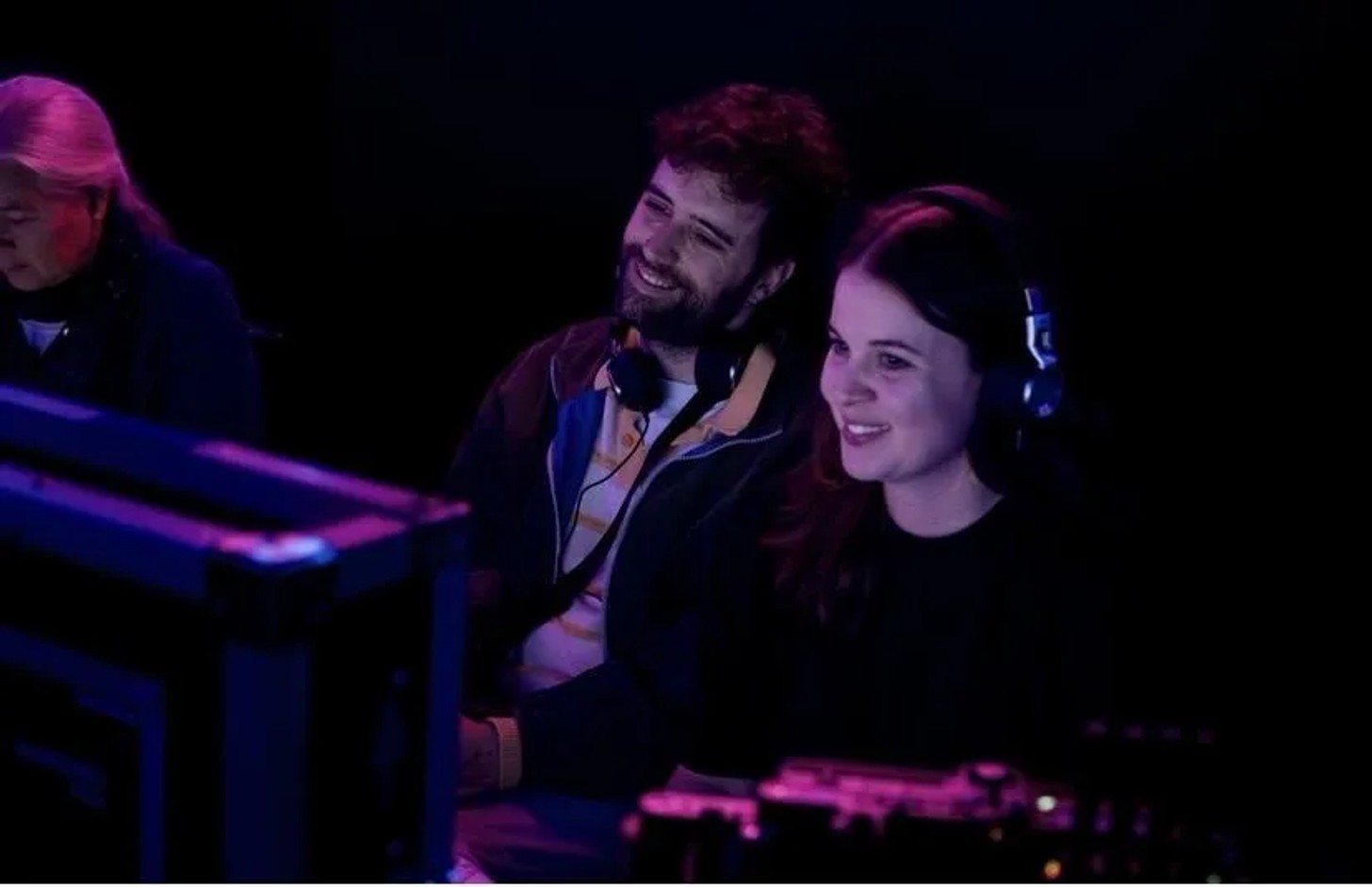
With season 2, Christiaan Olwagen takes the series to the next level. The story picks up six months after we last saw the characters, and there are a bunch of new characters, even more drama and of course also revenge playing out. I was initially quite nervous, as there was somuch love for the first season. As we began to figure everything out during pre-production, I started to better understand Christiaan’s vision and expectations for the new season. That made me very excited about what we could create together. The sophomore slump has sunk many a series – especially when the first seasonachieved great success.
Did you all feel the pressure of expectations to create a season as brilliant, if not better, than the first?
There is definitely pressure when a first season is so well received, and I think everyone wasvery aware of the expectations surrounding the second season. But rather than trying to besimply bigger or better than the first season, we focused on staying true to the world and characters of Koek. Fortunately, Christiaan’s writing gives you so much to work with – theemotion, humour and drama are all already in the script. We tried to let the series grow organically, rather than simply trying to repeat the success of the first season.
How do your talents and skills as an editor complement your work as a director?
I see my experience as editor as a kind of superpower when directing. I know exactly what Iwill need in the edit and how to fix certain things later if something on set didn’t quite workout as planned. It gives me much more freedom and peace of mind during filming.But at the same time, I also find it harder to look objectively at my own work as a director when I do the editing. You easily get caught up in the emotion of the day on set ands ometimes focus more on the shortcomings or things that didn’t work, rather than the bigger picture. Initially, I edited one of my own episodes but then decided to only edit Johannes’s and Christiaan’s episodes. There was something very liberating about knowing the story world so well that I could help elevate and refine other directors’ work, without the emotional baggage of my own days on set.
How would you describe the dynamic in the working relationship and division of labour between you, Christiaan Olwagen and Johannes Pieter Nel?
From the beginning, there was a very open and creative collaboration between me, Christiaan and Johannes. Christiaan, of course, as creator and writer had a very strong vision for Koek’s world and tone, while Johannes understood the established visual language of the first season very well. My role was to join in and respect that vision, but also to bring new energy and perspective to the second season.The division of labour felt very organic. We exchanged ideas constantly and trusted each other’s strengths. I already started editing episodes 1 and 2 during filming, so I could give feedback on what worked and where we could still improve. It felt like a very supportive team process rather than people working in silos.There is already an established storytelling style in season 1, but in season 2 it seems sharper, almost more direct.
What of Eva’s style and approach do we see in season 2?
I think my style lies a lot in interpretation and rhythm. I like scenes to feel natural and honest,even when the world or humour gets slightly absurd. With Koek, there is constantly a balance between the drama and the comedy, and I particularly enjoy playing with that tension,without forcing either one too much.I am also very detail-driven, probably because I come from an editing background. I think constantly about how scenes flow in and out of each other, how long something needs to breathe and where the emotional focus lies. I hope that in season 2 people will be able to feel that combination of emotion, discomfort, humour and rhythm, but still feel that it remains part of the world that viewers already know and love from Koek S1.You have spoken in interviews about Wyfie – a series that was boundary-pushing in itsdepiction of women in a South African TV series – and the same applies to how women are portrayed in Koek.
Why do you think stories like these, where diverse, complex groups of women are realistically seen on screen, are important?
I think there is incredible value in portraying women on screen in a more complex, honestway. What I find so interesting about series like Koek is that the women can be contradictory,funny, selfish, vulnerable, strong and sometimes uncomfortable, all at the same time. Christiaan Olwagen is a master when it comes to creating female characters. I say this often:he understands women better than they understand themselves.I think popular culture plays an enormous role in how we see each other and ourselves. When people recognise themselves honestly in stories, it can be very liberating. It also helps tobreak down stereotypes and expectations, especially around how women ‘ought’ to behave,be, or look.It is important that we make space for female characters who don’t always have to be sympathetic or perfect to be valuable or interesting. For me, it ultimately comes down tohumanity. The more specific, honest and nuanced our characters are, the more universal theybecome.
Do you feel a responsibility to do justice to stories that portray the diverse nature and essence of womanhood so boldly?
Womanhood is messy. I don’t necessarily feel “a responsibility to do justice” to it, but rather to portray it honestly. Because what does doing “justice to it” really mean? Everyone’s experience of it is so different. For me, it’s more about not trying to smooth things over or simplify them just to make them more comfortable. If it is honest, and if the character's humanity really comes through – with all the contradictions and complexity – then that feels like enough to me.
Which of this season’s story themes particularly struck or moved you?
My favourite theme of the season is how divorce becomes a kind of gang war – that idea ofhow something that is at its core very personal and emotional can escalate into something much bigger and more chaotic. When you put love, parenthood, lust and revenge together in one story, it creates a very complex and chaotic dynamic with a lot at stake. This makes for aseason that remains constantly intense but is still rooted in human emotion and relationships.
Was there anything (a scene, a moment, a part of the script) that stopped you in yourtracks?
My favourite line in season 2 is when Moekie says to Christelle: “As jy met ’n koek deur diewêreld rondloop, dan is elke donnerse dag ’n oorlog.” [If you walk around in this world witha snatch, every damn day is a war.” *In Afrikaans, “koek” literally means cake, but whenused figuratively, it’s a synonym for vagina.]What challenges did you have to overcome with this project?We worked with several seasoned actors, and it was quite intimidating at first. It was a very enjoyable challenge for me to build a degree of trust with each of them, so that you could truly support them with direction. Once that trust is established, the process becomes more collaborative and freer. Then you can as a director really focus on what the scene needs andon realising the vision of the series.
Was there anyone who really impressed or surprised you with their acting?
Stian Bam and Cindy Swanepoel’s performances greatly impressed me. The depths they plumbed to portray their characters were truly inspiring to see. It was special for me to see how they work with so much nuance and dedication, and how they could buy into the world of the story so completely, even in difficult or emotionally intense scenes.
Is there anything you are particularly proud of regarding the series and its making?Something that stands out as a highlight?
It was a highlight to be able to work and create with friends. Every day on set had itschallenges, but we had the best time and laughed so much. Koek S2 was honestly the best‘therapy’ I’ve had in a long time.
GLAMOUR Recommends
Onezwa Mbola reflects on family, memory and storytelling in " A Food Love Story"
Women in Charge: Dr Mpopi Lenake on Beauty, Confidence, and Redefining Modern Eye Care
Women Who Made Me: Sindiswa Zulu on the women who inspired and shaped her career
Women in Charge: Loyiso Lolo Saliso is Putting African Human Rights Leadership on the World Stage
Women In Charge: Dr Athambile Masola on literature, language and the legacy of Steve Biko
Women In Charge: Bonang Matheba reflects on mother’s day, matriarchs and South African women


