
When it comes to workplace wellness, we're encouraged to move beyond surface-level conversations about stress and burnout, and examine what sustainable wellbeing really looks like. According to specialist endocrinologist, Dr Sundeep Ruder, the answer isn't found in quick fixes or waiting for the next holiday, it lies in addressing the physical, mental and intellectual habits that shape how we respond to life's demands.
GLAMOUR: Why do you think so many professionals seem to hit a wall around the middle of the year?

Dr Sundeep Ruder: It’s not a mid-year issue. It has become an all-around year-round issue. If anyone feels like they have hit a wall, the first thing they should do is rule out a medical condition that may need treatment. The reality is that most people are living their year on an unhealthy background. Poor sleep, sedentary lifestyles, unhealthy food, weekend indulgences in excessive eating and alcohol consumption, combined with unsustainable work practices during the week, all reach a tipping point. One falsely believes that weekends and vacations are completely rejuvenating. Of course, it is not wrong to take these, but they have become a form of escapism during which no self-work or self-reflection is done to build better capability when one returns to work. So whichever part of the year it is, when one feels like they have hit a wall it’s because of the culmination of the above.
GLAMOUR: Many people describe themselves as "burnt out," but are they always experiencing burnout, or could it be something different, such as mid-year fatigue?
Dr Sundeep Ruder: There is no such thing as ‘mid-year fatigue’. We should be cautious about coining phrases with no substance, and not normalise such terminology because it creates an external locus of control, “Oh, it's just mid-year fatigue”. At any time of year, if one is not feeling optimal, it requires attention and introspection. One should investigate the root cause of the problem.
GLAMOUR: How do you distinguish between everyday stress, chronic stress, mid-year fatigue and clinical burnout? What are the warning signs people should look out for?
Dr Sundeep Ruder: Stress should first be defined. In the modern world, definitions of stress vary and usually focus on an external locus as the cause of stress. However, the true cause of stress is internal. Stress can be defined as mental agitation due to interrupted or unfulfilled desires. This definition brings the locus of control to the individual. Certainly, if some purposeful environmental change can be undertaken to make for a more conducive atmosphere for productive work, this should be undertaken. But the truth of life is that the world cannot cater to every human's individual desire pattern. One ought to learn how to manage their desires, expectations and be able to work within their capabilities and capacity at a given time. The ego in humans believes it can do more than it is capable of. “Don’t get into a cage with a lion if you’re not skilled at being a lion tamer”. Learning the art of managing the mind to reduce stress is a shortfall of the current education system. So, most people entering the workforce do not have this capability, and it ought to be learnt.
Every day stress is simply over-engagement. One feels pressured, anxious, but still motivated.
Chronic stress is ongoing mental agitation without cessation. The person is constantly provoked by the external environment and the mental agitation leads to a feeling of being drained, irritable and unable to fully switch off.
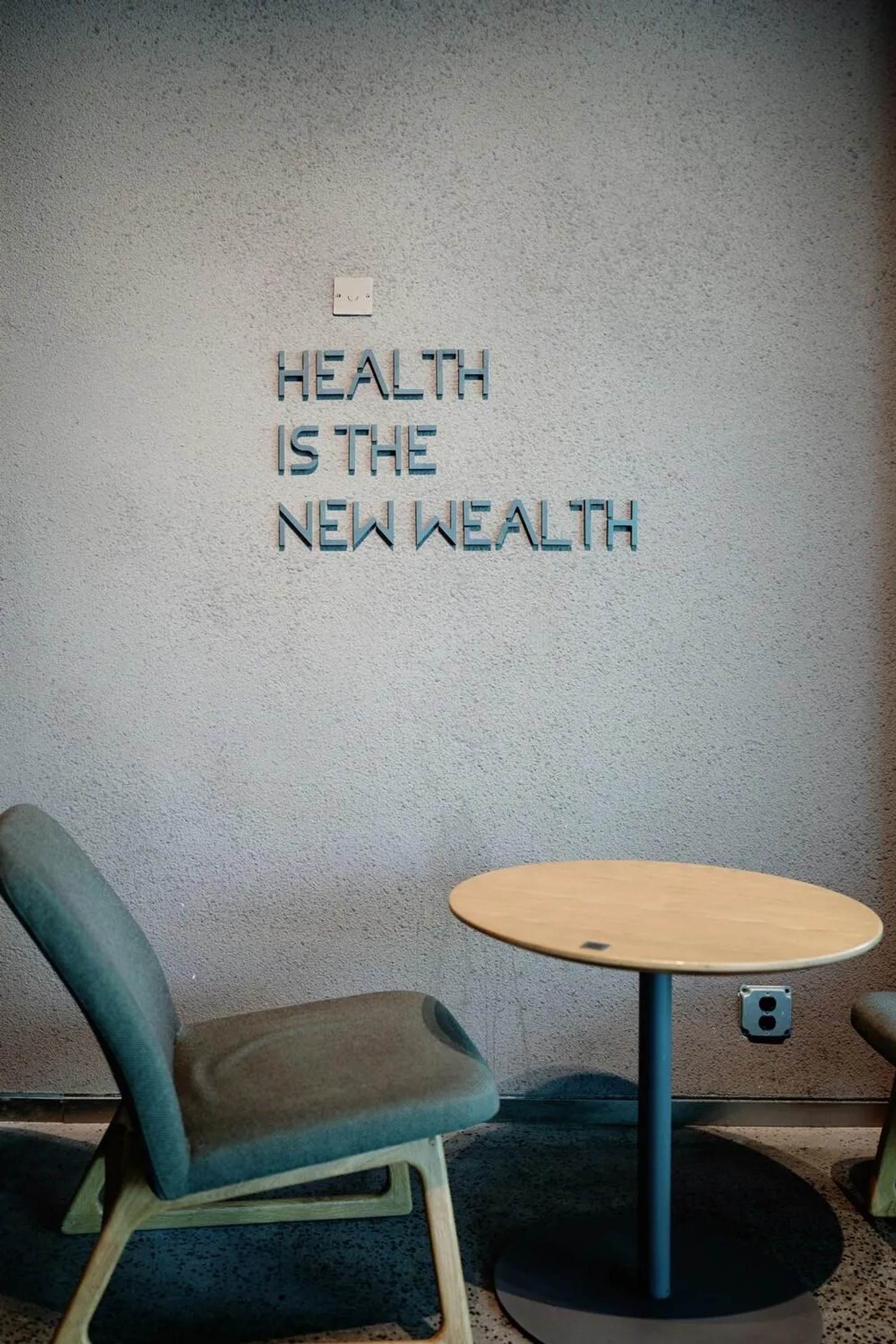
Clinical burnout is defined by the WHO as a syndrome resulting from chronic workplace stress that has not been successfully managed. The main features of which are :
- Feelings of energy depletion or exhaustion: A bone-deep tiredness that rest does not fix.
- Increased mental distance from one's job, or feelings of negativism or cynicism: You feel detached, numb, and indifferent toward your work.
- Reduced professional efficacy: You feel ineffective, unproductive, and doubt the value of your work.
GLAMOUR: Why do so many high-performing professionals continue pushing through exhaustion instead of recognising it as a signal that something needs to change?
Dr Sundeep Ruder: This comes out of a misunderstanding that when they reach the next goal, somehow ‘things will get better’. It is an illogical approach of an impulsive, non-reasoning mind. One needs clear intellect to see that the approach will not lead to lasting peace nor good health. The corporate culture is about performance, profit, and ‘getting ahead’ at any cost. Name, fame, money, power, and ambition are the attachments that drive this process. One needs a philosophy of life to be able to recognize the signals that this approach is neither healthy nor conducive to true success.
GLAMOUR: Many people rely on holidays, spa treatments, supplements or wellness products to recharge. Why do these quick fixes often provide only temporary relief?
Dr Sundeep Ruder: The mechanism for this temporary relief is easily understood if one understands how the mind functions. When you remove yourself from the provoking triggers of the work environment, the mind automatically settles down. Spa treatments and wellness products then support the body and mind with what it likes, so the mind feels satisfied and there is less agitation, and one feels stress-free. However, during this ‘time out’ no self-work is done on the mind, and it remains susceptible to provocation. When one returns to work, the mind is again easily provoked. Only a powerful intellect (reasoning centre) can regulate or manage the mind's reactions. Hence, while engaging in spa treatments and proven wellness products one should also engage in knowledge-based discourse on how to develop the intellect, which can manage the mind's reactions in any situation. This is the human prerogative - to develop self-sufficiency in any environment. This takes time and effort, but there is no other way.
GLAMOUR: From an endocrinologist's perspective, what happens in the body when stress becomes chronic, and how does this affect our energy, mood and overall health?
Dr Sundeep Ruder: When stress (mental agitation) is chronically present, one constantly activates the sympathetic nervous system, which is the ‘fight or flight system. This releases cortisol and adrenaline to help cope with stress. But chronic exposure to these hormones can lead to dysfunction. This leads to an increased risk of high blood sugar, hypertension, high cholesterol, and cardiac risk markers. Increased pulse and reduced heart rate variability also occur. There is also evidence that chronic stress can contribute to higher prevalence of autoimmune syndromes and a weaker immune system, In women chronic stress is associated to the common estrogen dominance syndromes, which manifest as menstrual irregularities, infertility, PCOS, fibroids, etc.
It is important to note that the hormonal abnormalities are not the cause of stress, but rather that the stress (defined above) is the risk factor for these physical problems. In men chronic stress can lead to down regulation of the testosterone axis with ensuing low energy, mood, loss of muscle mass and low libido. Important to note that simply replacing these hormones is not the solution, however. So energy levels are low, one feels unrefreshed even after sleep. Late afternoon dips in energy levels associated with cravings for carbs, sweets or salty items is common. One feels irritable, angry, and uninspired. This leads to harmful hedonic behaviour which manifests as binge eating, increased alcohol consumption, binge television watching and so called ‘doom scrolling’ on social media. This further contributes to ill health.
GLAMOUR: You speak about taking a holistic approach to wellbeing. What does that look like in practice, and why is it more effective than treating symptoms alone?
Dr Sundeep Ruder: A holistic approach to wellbeing is not a treatment. It is the very essence of returning to rhythmical, graceful human living. It is learning how to live correctly, which is a technique that ought to be learnt just like learning to play a musical instrument. In practice this means attending to the immediate physical issues through guided and appropriate medical testing and proven interventions with minimal to no risk. The mind must be chastened with devotional exercises, breath work, time in nature, art, music (of a higher, subtle quality ) etc. ‘Satsang’ a Sanskrit word which means ‘company of the good’ helps. This means associating with that which makes you dissociate from negative and mundane involvements like gossip. The most important part is to develop critical thinking and discernment in life. This is done through reading and reflecting on higher knowledge - the long game.
GLAMOUR: What role should employers play in preventing burnout, rather than simply responding once employees reach crisis point?
Dr Sundeep Ruder: Employers should educate themselves on the truths of life and the nature of right action, which brings success. Having understood this, they will automatically create environments that are conducive for humans to thrive purposefully and energetically. Systems should be designed around an unselfish ideal to serve the community and country rather than to extract and acquire purely for profit. Profit and abundance are a secondary effect of right action. Humans thrive where they feel a purpose beyond themselves. This question needs a lot of unpacking.
GLAMOUR: For employees who recognise themselves in this conversation, what are some practical, preventative habits they can start implementing today to improve their wellbeing?
Dr Sundeep Ruder: Start with the basics. standardise life around healthy nutrition, sleep, and exercise. Don’t be swayed by the excesses of life. Minimize areas of unnecessary energy dissipation (socials, parties,etc) and invest that energy into intellectual growth through study and self-reflection. Reduce screen time and get rid of social media. Bring the mind to purposeful living. Set an ideal for your life that goes beyond yourself (family, community, country).
GLAMOUR: Are there any common misconceptions about burnout or workplace wellness that you would like to challenge during Corporate Wellness Week?
Dr Sundeep Ruder: The problem is not all external as is the modern understanding. The major part is internal. No amount of external changes will lead to complete resolution of burnout. One must look at oneself at the body, mind and intellectual level and recalibrate all three.
GLAMOUR: If there is one message you would like every employer and employee to take away, and what would it be about building lasting wellbeing rather than simply recovering from exhaustion?
Dr Sundeep Ruder: “Life is to give, not to take”
The givers of humanity never get fatigued. (e.g., Nelson Mandela, Mahatma Gandhi,etc). We just have to change our attitude in action.
Recent stories by:
Thobeka Phanyeko

Through her lens: Chanely Wong is at the forefront of digital storytelling

Fashion Friday: Let's talk about thrifting

This is how the face of beauty has evolved through the ages

Your friendly financial check-in starts here...


