
When it comes to skincare, eye cream is one of beauty’s most debated categories. Some people swear by them – and wouldn’t dream of turning off the bedside lamp without diligently patting one in – while others (and you’re not alone if you count yourself among them) have long wondered whether it’s really necessary. Doesn’t your moisturiser do the same job? Can’t your serum just... migrate upwards?
“I used to be the person who would say don’t bother with separate skincare for the skin around the eyes, but now I’m increasingly recommending it, and that’s because the periorbital skin is different to the rest of our face,” explains consultant dermatologist Dr Ellie Rashid. ”It is the thinnest skin we have on the face, it has very few oil glands, and it sits over an area that is in near constant motion through blinking, squinting and expression. It is also where lymph fluid pools overnight, which is why puffiness and shadowing are such common complaints.”

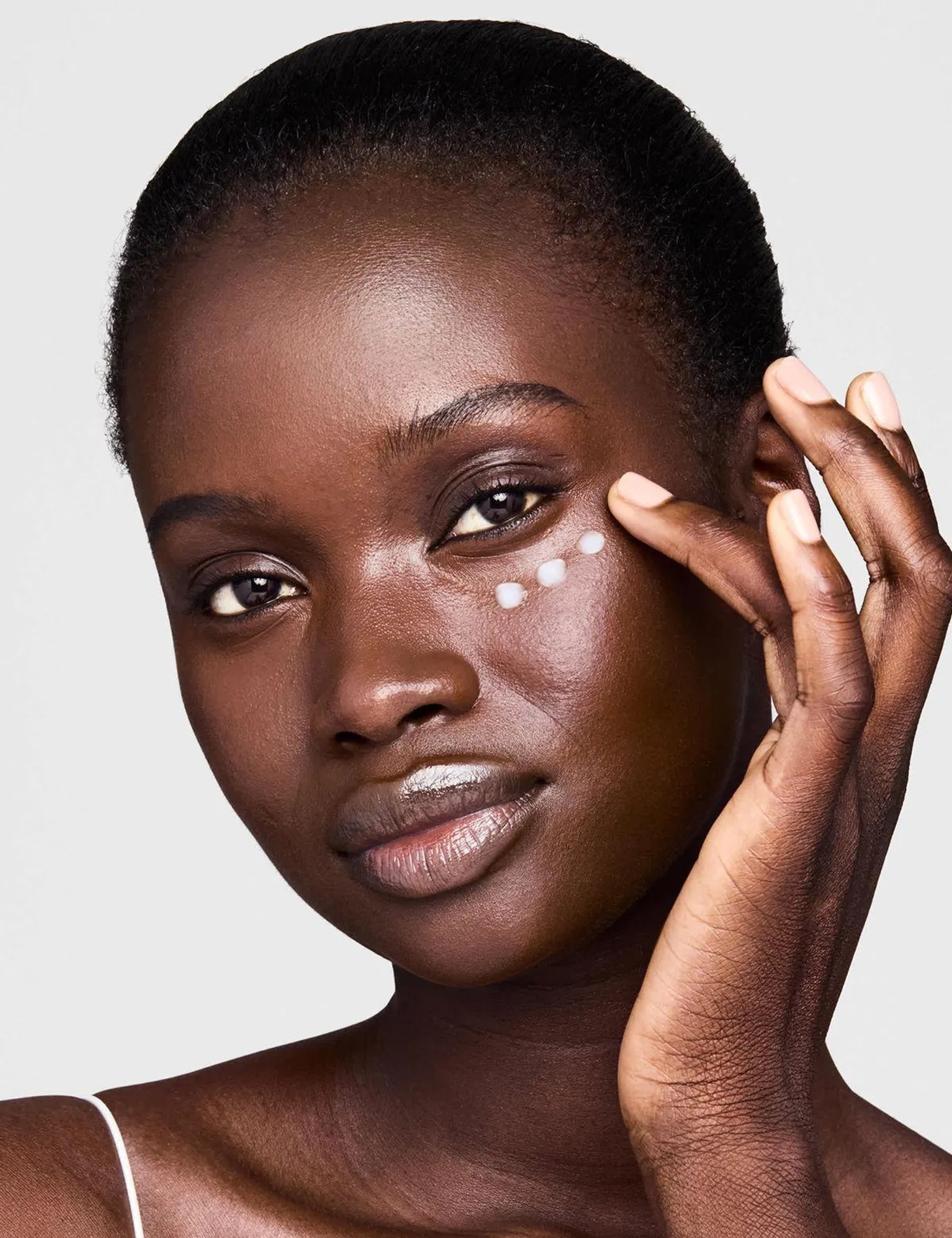
As the most delicate area of the face, the skin around the eyes is often the first to reveal stress, dehydration and fatigue – and fine lines tend to appear here before anywhere else. But what your eye area needs in your twenties is often very different to what it needs in your forties, fifties and beyond. And while skin doesn’t follow a strict chronological timetable – not everyone is at the same exact life or skin stage during each decade, and genetics, lifestyle, and ethnicity all play their part – there is real value in understanding what tends to happen, and when.
One important caveat worth noting: “It’s important to remember that many of the causes of under-eye circles and hollowing are largely genetic, structural or vascular,” says Dr Rashid. ”No amount of topical eye cream will make a meaningful difference in those cases, so expectations need to be managed.” That said, the right formula can absolutely help support skin quality, hydration and brightness at every stage of life. Ahead, dermatologists explain exactly what to look for – and the formulas we rate.
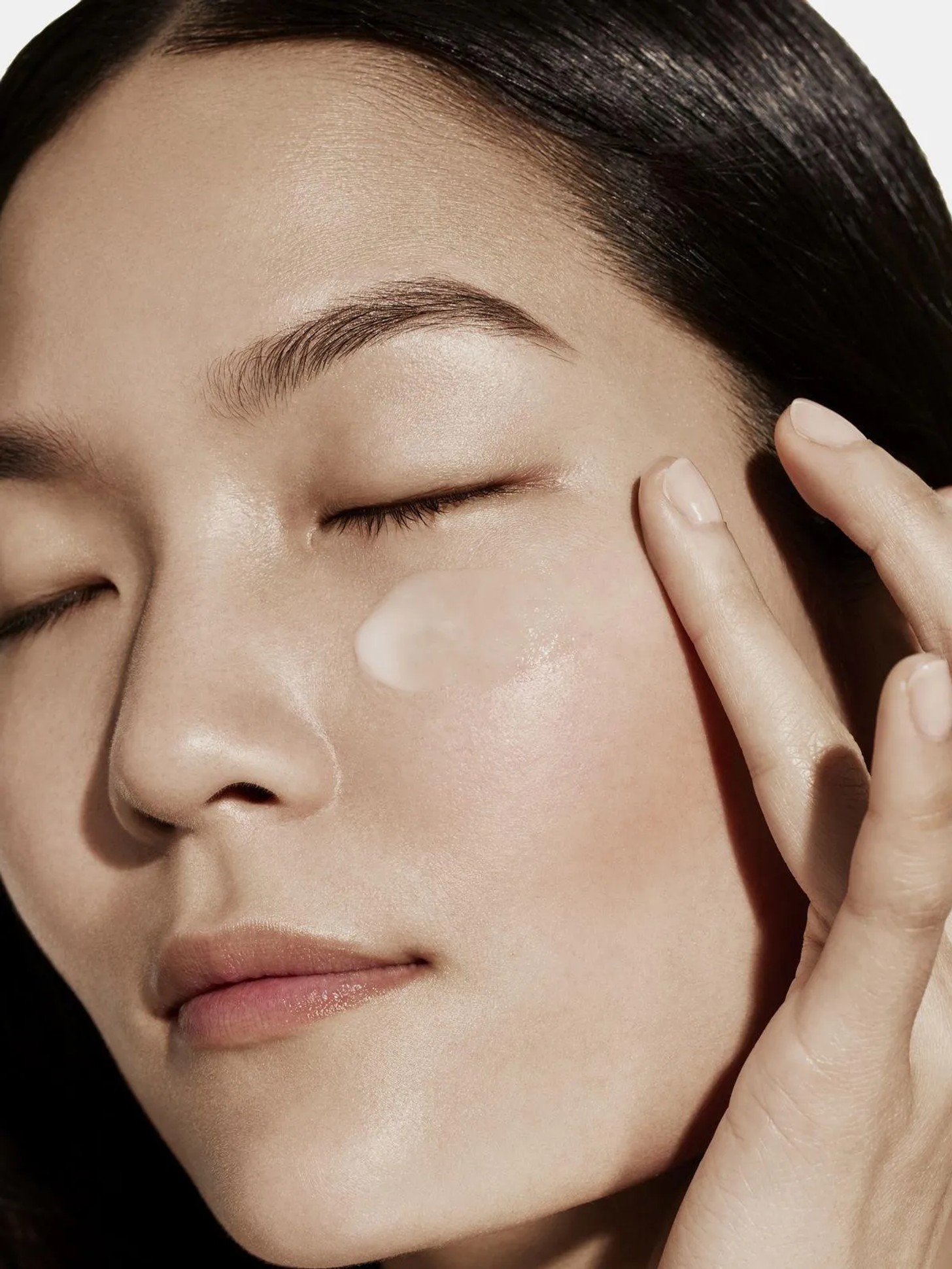
What are the best ingredients to look for in an eye cream?
Regardless of age, there are a handful of ingredients worth seeking out. “Consistent sun protection is non-negotiable at every age, as it is the most effective way to prevent pigmentation and collagen breakdown,” says Heather Wish, head of education at Paula’s Choice.
But beyond SPF, hydrating ingredients such as hyaluronic acid and glycerin help plump the skin and soften dehydration lines, while ceramides support the skin barrier. For brightness, vitamin C, niacinamide and azelaic acid are all worth knowing about. And as collagen production naturally slows with age, peptides and retinoids become increasingly valuable for supporting firmness and elasticity.
“The key is recognising that the eye area is influenced by a combination of biology, lifestyle and time,” says Wish. “Skincare can make a meaningful difference when it comes to protection, hydration and maintaining skin quality, but once volume loss and deeper structural changes set in, that’s where a more holistic approach becomes part of the conversation.” Consider your eye cream the first step in that conversation.
@dermatologysurgeon @CeraVe Skin Renewing Eye Cream was developed with dermatologists and is packed with a complex of biomimetic peptides, hyaluronic acid, niacinamide and caffeine, making it the ultimate eye cream for your undereye concerns. #ceravepartner #darkcircles #fyp ♬ original sound - Dr. Neera, Skin Surgeon
The best eye creams in your 20s
For many people, their twenties are less about wrinkles and more about lifestyle. Long workdays, late nights, travel, stress and endless hours spent staring at screens can all contribute to dehydration, puffiness and tired-looking eyes.
“In your twenties, what we tend to see most is dehydration, occasional puffiness and dark circles, often linked to genetics, allergies or simply the effects of modern life,” says Wish. “The skin here is naturally thin, so even normal blood flow can show through.”
At this stage, focus on hydration, barrier support and depuffing ingredients such as caffeine, glycerin, ceramides and hyaluronic acid – think of it as skincare maintenance rather than a rescue mission.
@beautyontapp Eye creams for every concern 👀✨ From puffy eyes to dark circles, here’s what to use for brighter, smoother under-eyes. Shop online & in store at Beauty on TApp 💛 #fyp #skincaretips #VocêNasceuParaMudar ♬ Vibes - ZHRMusic
The best eye creams in your 30s
By your thirties, collagen production has already started to slow – a process that begins in the mid-twenties but tends to become more noticeable with each passing year. Add to that the cumulative effects of UV exposure, which now begin to show up as pigmentation, fine lines and a gradual loss of brightness, and the eye area starts to ask for a little more.
“In your thirties, you might start to see the first signs of collagen loss, fine lines and more visible pigmentation, often the result of cumulative sun exposure,” says Wish. “At the same time, very subtle volume loss can begin.” This is where peptides, niacinamide and low-strength retinoids start to earn their place in the routine.
@beautyontapp If you’re 30+ here are 3 products you absolutely need in your routine 🤩🖤🫰🏾 Shop these on www.shopbeautyontapp.co.za and in store at Mall of Africa, Store 2131 🛍️ #fyp #skincaretips #skincareroutine #radiantskin #skincarecommunity_za ♬ That Couch Potato Again - Prod. By Rose
The best eye creams in your 40s
Your forties often coincide with the hormonal fluctuations of perimenopause, and the eye area tends to bear the brunt of these shifts more visibly than most. Oestrogen plays a central role in maintaining collagen and moisture retention, so as levels begin to fluctuate, skin can change in ways that feel both sudden and significant.
“In the forties and beyond, structural changes become much more apparent,” says Wish. “Skin can lose firmness and elasticity, and the under-eye area can start to hollow or sag.” At this stage, look for retinal, peptides, growth factors and richer moisturising ingredients – formulas designed not just to hydrate but to actively support skin renewal and resilience.
@todddrivermd Most people don’t realize eye creams can affect your eye health 👀, both positively and negatively. ➡️ While designed to hydrate and reduce signs of aging, certain ingredients like retinol, fragrance, or preservatives can seep into the eyes—causing dry eye disease, contact dermatitis, irritation, and more. @La Roche-Posay @No7 @One Skin #doctor #eyehealth ♬ original sound - Todd Driver M.D.
The best eye creams in your 50s, 60s and beyond
As oestrogen levels decline during and after menopause, skin naturally becomes thinner, drier and less resilient – and volume loss, which may have started subtly in the forties, tends to become more pronounced. The result is an eye area that can look sunken or permanently shadowed, regardless of how well-rested you actually are.
“By your fifties and sixties, thinning skin, dryness and more significant volume loss tend to dominate,” explains Wish. Hydration remains essential, but the formulas that perform best at this stage tend to be richer and more targeted – combining retinal, peptides and firming technologies to actively support skin quality rather than simply maintaining it.
Originally published on British Vogue.


