
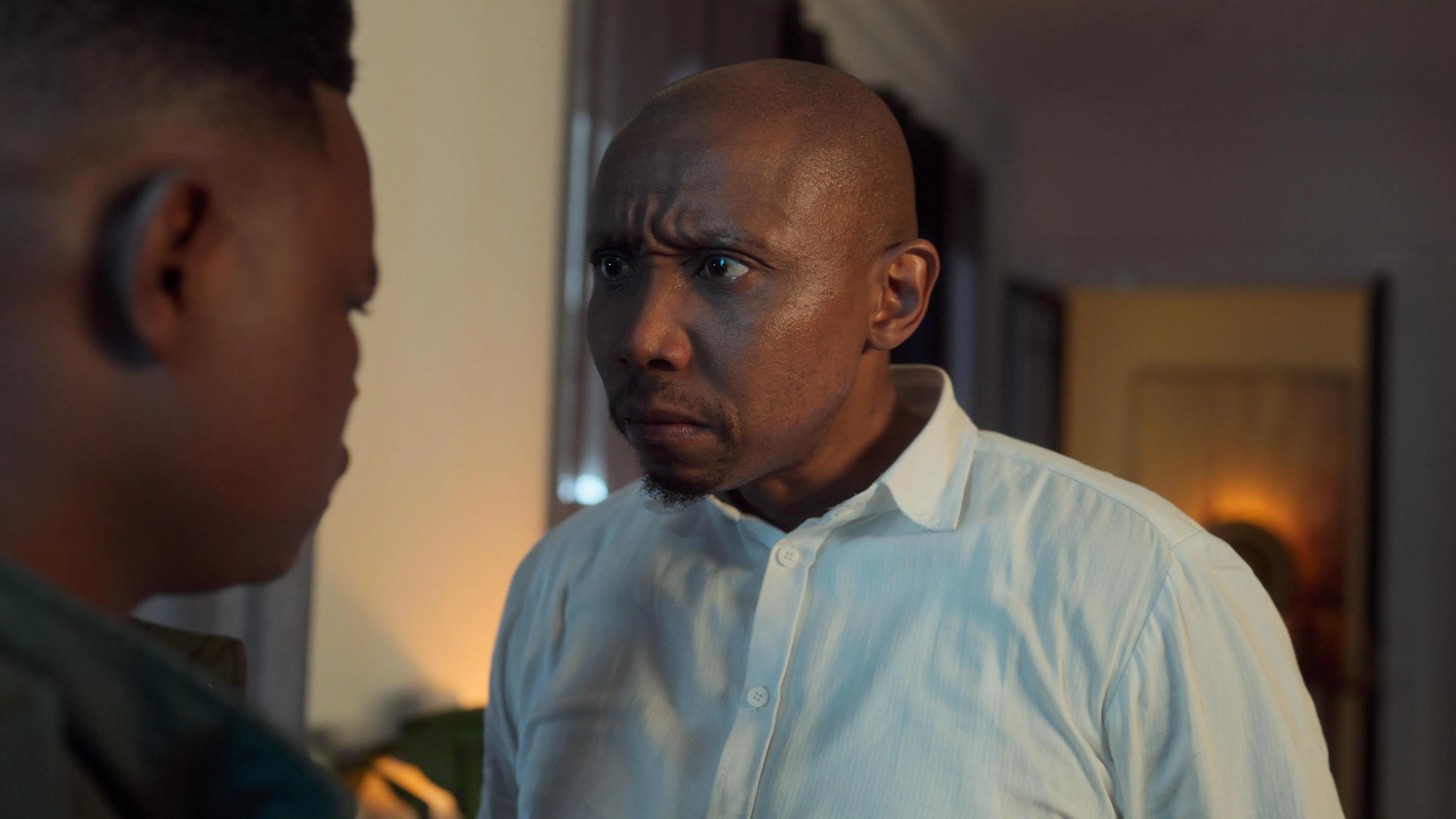
Adapted for the screen from Sue Nyathi's bestselling novel of the same name, The Polygamist has become one of Netflix's biggest breakout hits. Within weeks of its debut, the series climbed to No. 2 on Netflix's Global Non-English TV chart and claimed the No. 1 spot in 16 countries, cementing its status as one of the platform's most talked-about shows.
But beyond the impressive streaming numbers, The Polygamist has sparked something even bigger: a national conversation about infidelity, betrayal, self-worth and the choices women make in relationships. Social media has been flooded with women drawing parallels between Jonasi, the show's charming but serially unfaithful patriarch, and men from their own lives. Among them was reality TV star Ratile Mabitsela, who candidly shared that watching the series felt like Netflix had "held up a mirror" to her own experiences. She even remarked that her late husband "had nothing on Jonasi" when it came to his promiscuous behaviour.

While engaging with followers online, the conversation took a more serious turn after one user pointed out that, like Jonasi, "they always die." Referring to the show's dramatic ending, in which Joyce, exhausted by years of betrayal, orchestrates her husband's demise by arranging for him to sleep with an HIV-positive woman, Ratile clarified that her late husband took his own life because he was a deeply troubled man. Her message was clear: while everyone's circumstances differ, reckless behaviour eventually has consequences.
The show's themes have also played out beyond fiction. South African content creators Luthando and Belindah Daniels, popularly known as The House of Daniels, have built a large online following through their faith-based content, marriage advice and candid conversations about family life. Recently, Belindah took to social media to publicly address allegations of her husband's infidelity, sharing her perspective with her followers.
Instead of receiving the support she may have anticipated, many users questioned her decision to remain in the marriage, shifting the focus from her husband's alleged behaviour to her choice to stay. The backlash became so intense that she eventually deactivated her social media account, sparking further debate about how women are judged when they choose to remain in, or leave, relationships marked by infidelity.
Across X, TikTok and Instagram, conversations continue to unfold as women ask themselves whether they've encountered a "Jonasi" in their own lives. Some have admitted they stayed far longer than they should have in relationships marked by repeated betrayal. Others have vowed never to ignore red flags again. The discourse has evolved beyond gossip into something far more reflective: a collective examination of boundaries, self-respect and the emotional cost of accepting less than one deserves. Leading to a bigger conversation about decisions women make when love, loyalty and self-worth collide.

As we continue navigating increasingly complex relationships, it's worth asking ourselves not only what we're willing to fight for, but also what we're no longer willing to tolerate. Clear boundaries make it harder for anyone to manipulate or exploit them. In an era where women have more agency than ever before, honouring that agency is an act of self-preservation.
And if there's a Jonasi in your life, someone who keeps you anxious, second-guessing yourself, scrolling through his phone or directing your anger at other women instead of his behaviour, it may be time to stop asking why he keeps returning to the circus, and start asking why you continue buying a ticket.
Recent stories by:
Thobeka Phanyeko

Beyond International Day of the Girl Child, empower your daughter with financial literacy

Women in Charge: Annelene Dippenaar on Leadership, Inclusion and the Business of Real Impact

This is how you can avoid a low credit score

Motivation Monday: This is how you can shift from Financial Anxiety to Financial Clarity


