
Inspired by the women in her family, Connie More has built a career shaped by resilience, reinvention and an understanding of what happens both in front of and behind the camera. From being scouted as a young woman to working with South African Fashion Week and leading behind the scenes at a modelling agency, she reflects on longevity, rejection, mentorship and what the industry needs to do better for its models.
Connie’s connection to fashion can be traced back to her childhood home: her grandmother was a dressmaker, while her mother modelled and acted during apartheid. Years later, discovering that her mother had once been signed to G3 Models, the same agency Connie would eventually join, revealed an unexpected full-circle moment.

Her own modelling journey began during her gap year, when a chance encounter with Smarteez member Sibu led to her first shoot for The Red Bulletin. Since then, she has experienced the industry from multiple perspectives: as a model, former director at Aura Models and through her work with South African Fashion Week. Those experiences have given her insight into everything from castings and rejection to contracts, financial literacy, mentorship and the business of building a sustainable career.
Now, with years of experience behind her, Connie is candid about the realities of modelling in South Africa. She believes models should be treated as professionals, equipped with the knowledge to understand their worth and empowered to build careers that extend beyond the next booking. For her, longevity means continuing to evolve, pivot and find new chapters within fashion.
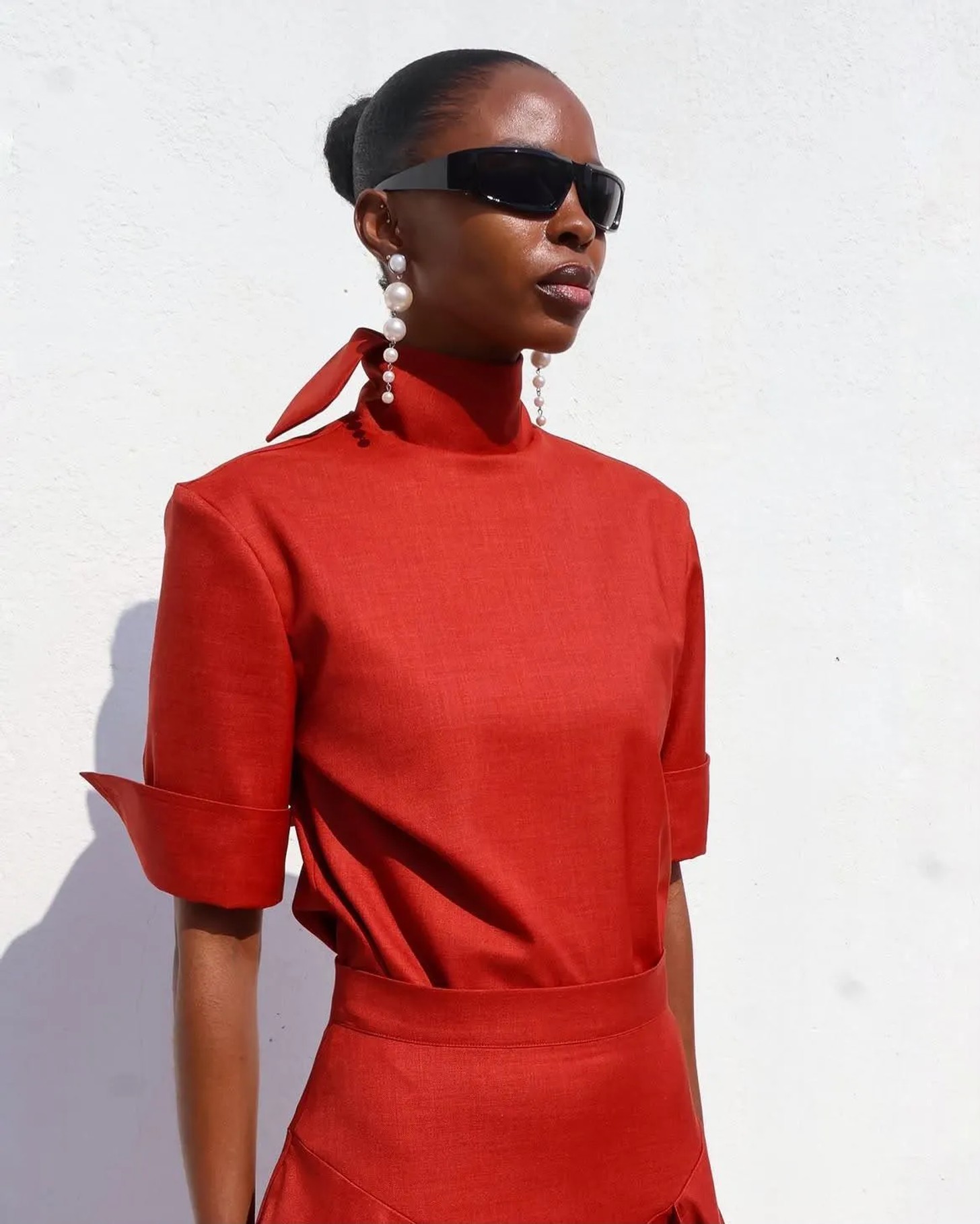
GLAMOUR: Take us through your first modelling experience?
Connie: I was in my gap year when modelling unexpectedly found me. My very first modelling experience was with Smarteez. One of the founding members, Sibu, noticed me and told me he loved the way I dressed and my sense of style. He saw something in how I expressed myself through fashion and introduced me to the other members of Smarteez.
A few months later, that introduction led to my first ever shoot for The Red Bulletin magazine. It was such a new experience for me because I had never imagined that simply being myself, dressing the way I liked and expressing my personal style could open a door into modelling. I was featured in the magazine, and I still have the pictures from that shoot today. Looking back, I had no idea where that first opportunity would take me. It was the beginning of a journey that would completely change my life.
GLAMOUR: What is your staying power?
Connie: My staying power comes from hope, the belief that I haven’t reached my pinnacle yet. I want more for myself, and I know there is still so much more that I can achieve.
I believe there is longevity in modelling. I look at women who have continued to evolve and find new ways to grow within the industry, and that gives me hope that there is still so much more ahead for me. There have been difficult seasons where I’ve questioned my journey, but I’ve never completely lost hope. That’s what keeps me going, knowing that my story is still unfolding and trusting that there is more ahead for me. I started with big dreams and hope, and I still have both. I’m not ready to walk away from a story that I believe has so many more chapters to write.
GLAMOUR: What is the psychology behind castings and rejection?
Connie: I was introduced to rejection long before modelling. From a young age, I experienced what it meant not to be accepted through friendship groups, bullying, or simply feeling like I didn’t belong. Modelling didn’t introduce me to rejection; it simply gave me a different version of it. When I walk into a casting, I’ve already prepared myself mentally and emotionally for what comes with being assessed. There is a certain vulnerability in being placed alongside other women and being compared to them, especially when we may look completely different from one another. But that’s the beauty of people, we all come from different backgrounds and bring something different to the room. We’re not supposed to look the same.
Rejection doesn’t necessarily affect me, but it does make me reflect. Over the years, those experiences have revealed different layers of who I am; my resilience, my ability to encourage myself and my willingness to keep growing.
I think that’s one of the strange and beautiful things about modelling: sometimes rejection isn’t just telling you “no”; it’s revealing a part of yourself you may never have discovered otherwise.
GLAMOUR: Is there enough mentoring and coaching in the SA Modelling industry?
Connie: Honestly, I don’t think there is enough coaching and mentorship for models in South Africa. Being signed is only the beginning of a modelling career, and I believe there needs to be more investment in developing a model beyond simply getting them booked.
Young models need to understand the industry beyond the runway, model etiquette, professional conduct, contracts, usage, rates, taxes, financial management, branding and marketing. They need to understand the value of their work, how to negotiate and how to make informed decisions about their careers. Models also need to understand that they are entrepreneurs. You’re essentially running a business and outsourcing certain aspects of it to an agency or other professionals.
And then there is longevity. Models need to be taught how to build careers, not just how to get bookings. They need guidance on rejection, mental strength, personal branding and how to position themselves for the long term.
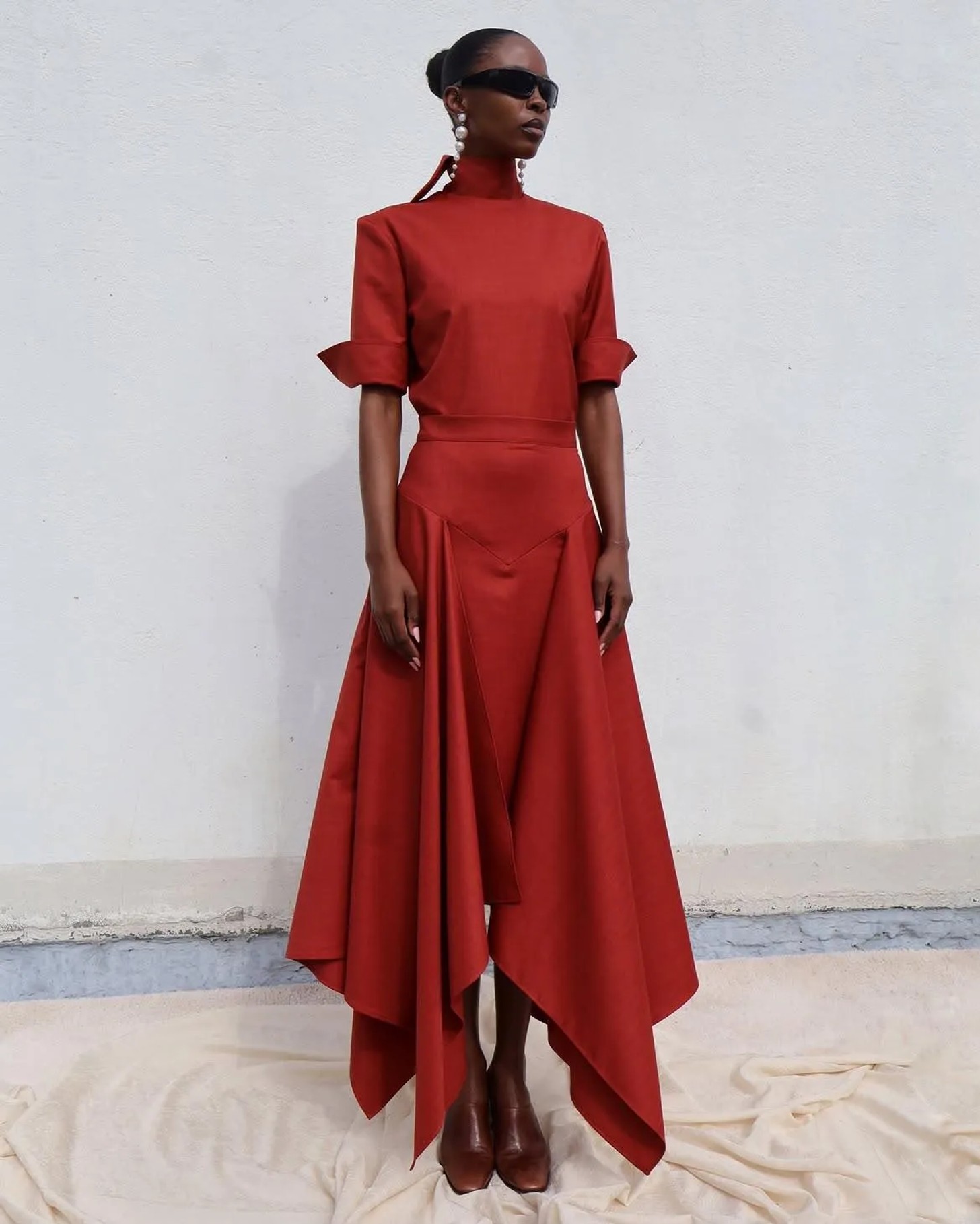
GLAMOUR: As a former director at Aura Models, do you believe you had an impact on the models signed?
Connie: Absolutely. Being a working model myself naturally influenced the kind of talent I wanted to see and develop. I was personally invested in the potential I saw in the models and in what we were building together. I think what also made an impact was that I was still actively working as a model myself. They could see that I wasn’t simply selling them an idea; I was living it too.
GLAMOUR: Did your role at South African Fashion Week contribute to where you are now?
Connie: Absolutely. I went from simply being a model waiting to be chosen, to understanding what happens on the other side of the business of fashion. I coordinated castings and bookings alongside the Designer Liaison, and I saw what it takes to take a collection from a concept and mood board, through castings and fittings, and finally onto the runway. Being on the other side showed me that model selection is rarely personal. Sometimes your look simply doesn’t align with the creative direction of a collection — it doesn’t mean you aren’t good enough; it means the designer is telling a different story.
The experience also gave me a deeper understanding of what it takes to operate as an entrepreneur — communicating with and taking care of suppliers and stakeholders, managing timelines and working towards a clear goal. It highlighted that fashion isn’t just about being seen; it’s about knowing how to build, manage and sustain what happens behind the scenes. I also learned that structure and having a team that understands your vision and works towards the same goal are essential to building a successful company.
Designers are deeply connected to their creativity, while models navigate the vulnerability of being constantly assessed. Understanding both sides taught me to move through the industry with more empathy. It was where I began to understand that my future in fashion could be bigger than modelling. Q8 What do you think the South African modelling industry needs to do better? For me, modelling is a full-time job, not a hobby, and I would like the industry to treat it that way.
Models need to be properly trained, fairly compensated and included in the same way every other professional involved in a production is.
GLAMOUR: Please expand on the role of a modelling agency?
Connie: A modelling agency is more than just representation. It also plays a strategic role in developing and positioning a model’s career and brand.
But it’s also a partnership. The model plays a significant role in actively managing their career and ensuring that their goals and development are aligned with the agency’s direction. That means respecting contractual agreements, communicating openly and not conducting business outside the agency where it conflicts with the agency’s representation. Ultimately, it’s a relationship built on trust and a shared vision. The agency has a responsibility to build and protect the model’s career, and the model has a responsibility to show up and contribute to that vision.
GLAMOUR: How do you manage working behind the scenes at a show while walking in the shows simultaneously?
Connie: Working both backstage and on the runway requires a completely different kind of discipline. You have to know when to switch from being part of the production to becoming the model.
At South African Fashion Week, I worked within a strong team of women. They took me under their wing, taught me the production side of the industry and trusted me with responsibilities as I grew into the role. That support and strong teamwork allowed me to fulfil my responsibilities backstage while still being able to walk the show and that mentorship continues to this day. Ultimately, it comes down to structure, trust and teamwork when everyone understands their role and the bigger vision, both the production and the runway can work seamlessly together.
GLAMOUR: What role has family support played in your journey?
Connie: The support from my family has been one of the greatest gifts throughout my journey. They have celebrated my wins, stood by me through the difficult moments, and always reminded me that I am capable of more. Knowing that I have an entire family behind me, cheering me on, believing in me and showing up for me has given me a sense of strength and grounding that I carry with me wherever I go. I don’t think I would be the woman I am today without that love and support.
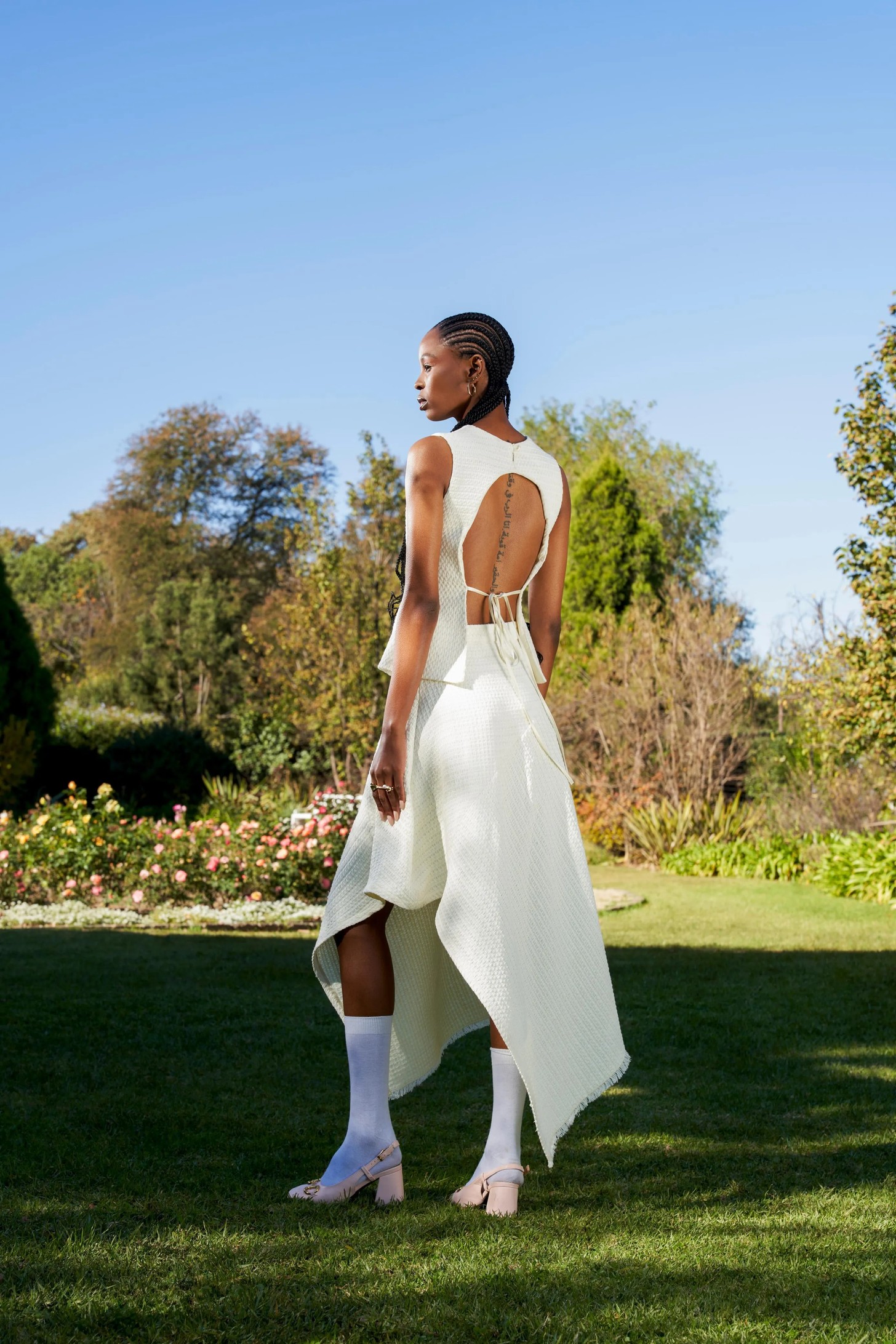
GLAMOUR: How do you survive when the jobs aren’t coming in?
Connie: When the bookings slow down, I don’t stop — I pivot. I put on my many hats and find other ways to sustain myself. Modelling can be unpredictable, and some jobs can be inconsistent, so relying on modelling alone isn’t always sustainable. Longevity has meant diversifying, staying resourceful and creating opportunities beyond the next booking.
GLAMOUR: Is there a body that protects models, and are models even privy to their contracts?
Connie: Models are at the centre of the fashion industry, yet we often have the least understanding of the structures that govern our work. There’s a gap in how models understand their contracts, particularly when it comes to rates, commercial usage and their obligations. There also appears to be a lack of an independent body that models can turn to for protection, guidance or representation outside of their agency, particularly one that represents their interests in the same way agencies have industry representation.
GLAMOUR: What happens when you receive your first or biggest paycheque?
Connie: Financial education is understanding that a big paycheque doesn’t mean you have big money to spend. In modelling, payments can take up to 90 days, and bookings aren’t always consistent. When you receive a paycheque, plan for the gaps, save for the rainy days and make that income work beyond the job that generated it. That money may need to carry you through several months. The goal isn’t to spend because you’ve been paid; it’s to make your money last until the next opportunity.
Recent stories by:
Thobeka Phanyeko

Beyond International Day of the Girl Child, empower your daughter with financial literacy

Women in Charge: Annelene Dippenaar on Leadership, Inclusion and the Business of Real Impact

This is how you can avoid a low credit score

Motivation Monday: This is how you can shift from Financial Anxiety to Financial Clarity


