
From hydration and scalp care to the myth that braids need to be tight to last, textured hair expert Bonolo Gabuza of Beezy Braids shares the advice she wishes more women knew about caring for their natural hair.
Protective styling may be designed to give our hair a break, but that doesn't mean we should forget the hair underneath.
For Bonolo Gabuza, the textured hair expert behind Beezy Braids, healthy protective styling starts long before the first braid is installed. It begins with understanding what textured hair needs, from hydration and slip to regular scalp care and, importantly, knowing when less product is actually more.
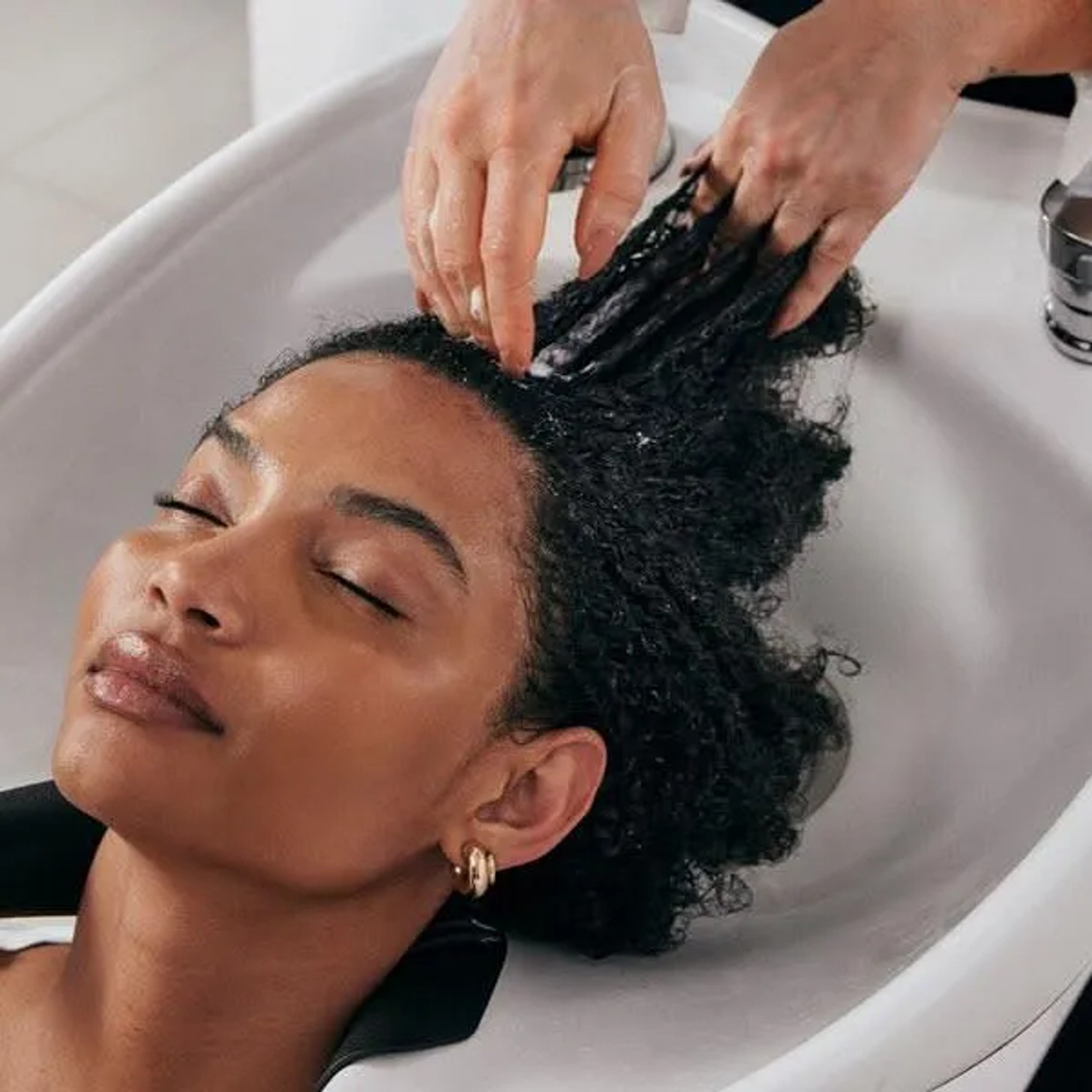
GLAMOUR sat down with Bonolo to unpack some of the most common mistakes she sees behind the chair, and the simple haircare rules she believes can make all the difference.
GLAMOUR: Let's start with hydration. What's one thing you think women often get wrong when caring for textured hair?
Bonolo: One thing I think we often get wrong about natural hair is feeling like we need to keep applying product simply for the sake of it. More products don't necessarily mean more moisture. My biggest tip is to hydrate your hair first, then lock in that moisture. For me, that starts on wash day. I like using the Creme of Nature Argan Oil from Morocco Sulfate-Free Moisture & Shine Shampoo, followed by the Intensive Conditioning Treatment.
Starting with properly hydrated, conditioned hair makes textured hair much easier to work with and helps with styling without unnecessary pulling or manipulation.
GLAMOUR: What about between wash days? How should we maintain moisture without constantly adding more product?
Bonolo: Keep it simple. You don't necessarily need to layer multiple products onto your hair every day. To refresh hair between wash days, I like the Creme of Nature Argan Oil from Morocco Strength & ShineLeave-In Conditioner because it adds moisture and slip.
One rule I always give my clients is: hydrate before you brush or comb.Textured hair is easier to manipulate when it has moisture and slip, rather than when it is completely dry.That can make the styling process much gentler on the hair.
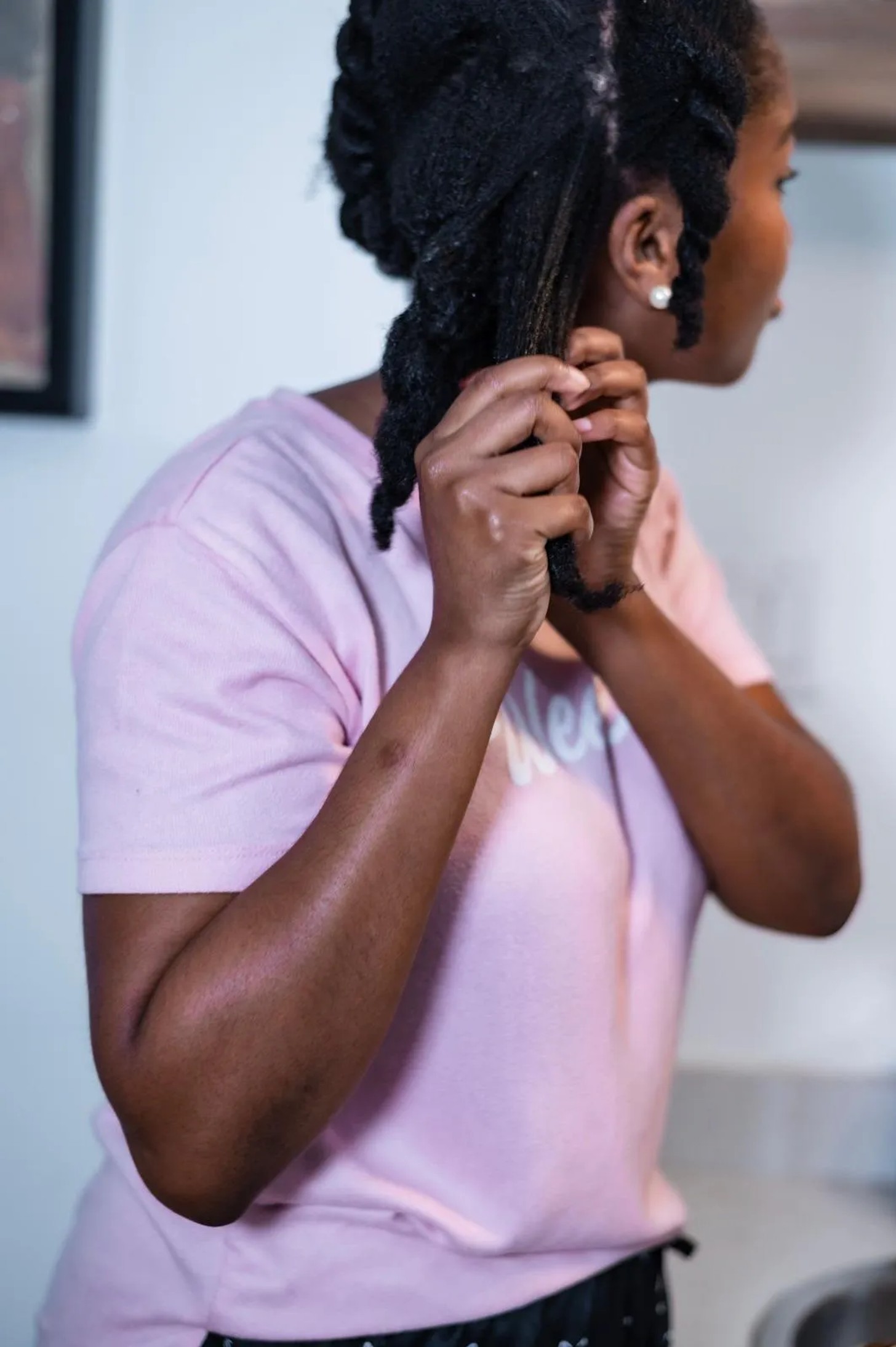
GLAMOUR: You've said that we should think about our scalp in the same way we think about ourskin. What do you mean by that?
Bonolo: We often remember to care for the hair we can see but forget about the roots and the scalpunderneath. I always say, if you have a skincare routine, add your scalp to that routine too.I like incorporating the Creme of Nature Argan Oil from Morocco Oil Treatment into a simple routine that keeps the hair and scalp cared for, rather than constantly layering products.
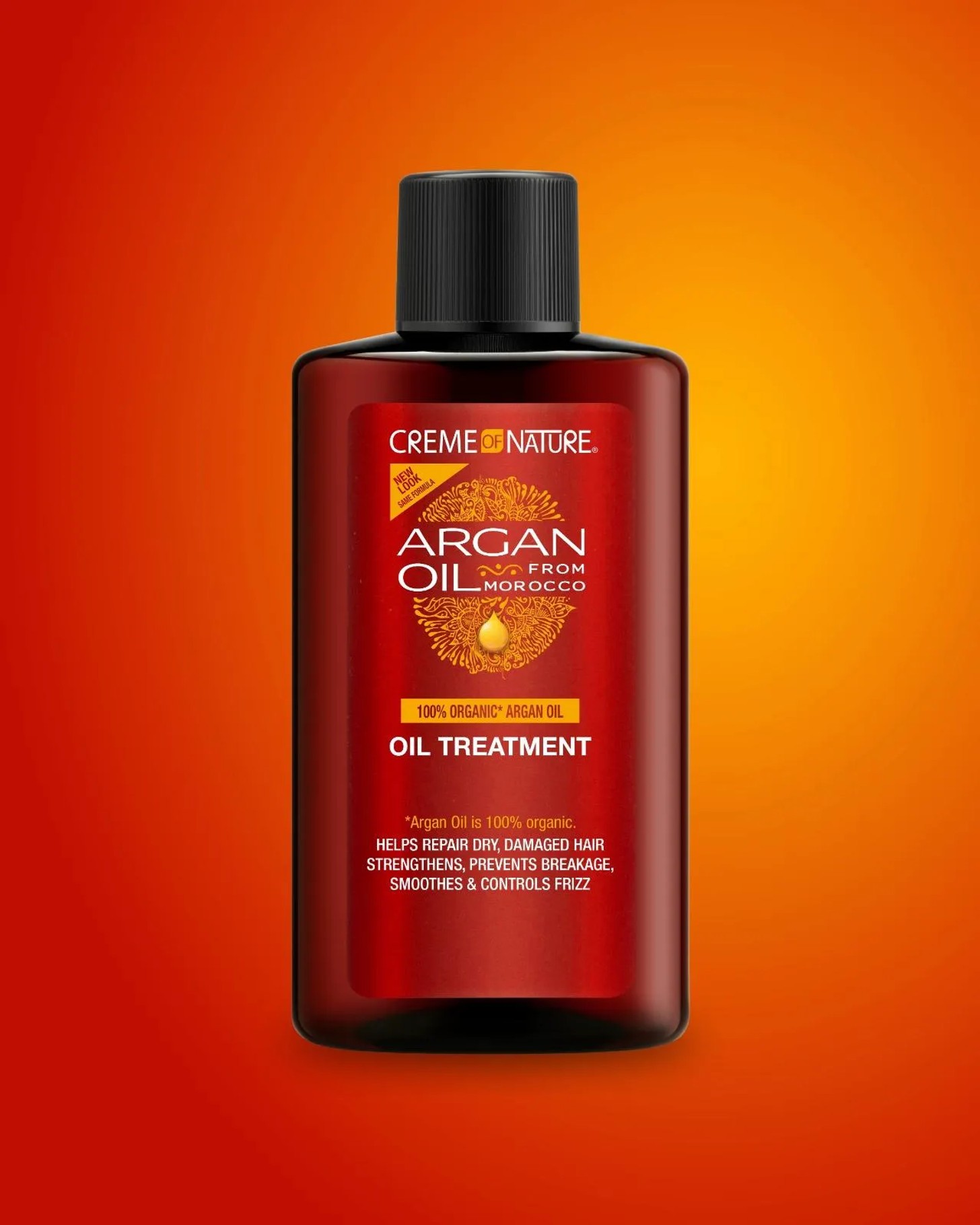
With protective styles, I also recommend sneaking in a wash once a week, where appropriate for your style and scalp needs. And yes, you can wash your braids. The important thing is making sure they dry completely afterwards.
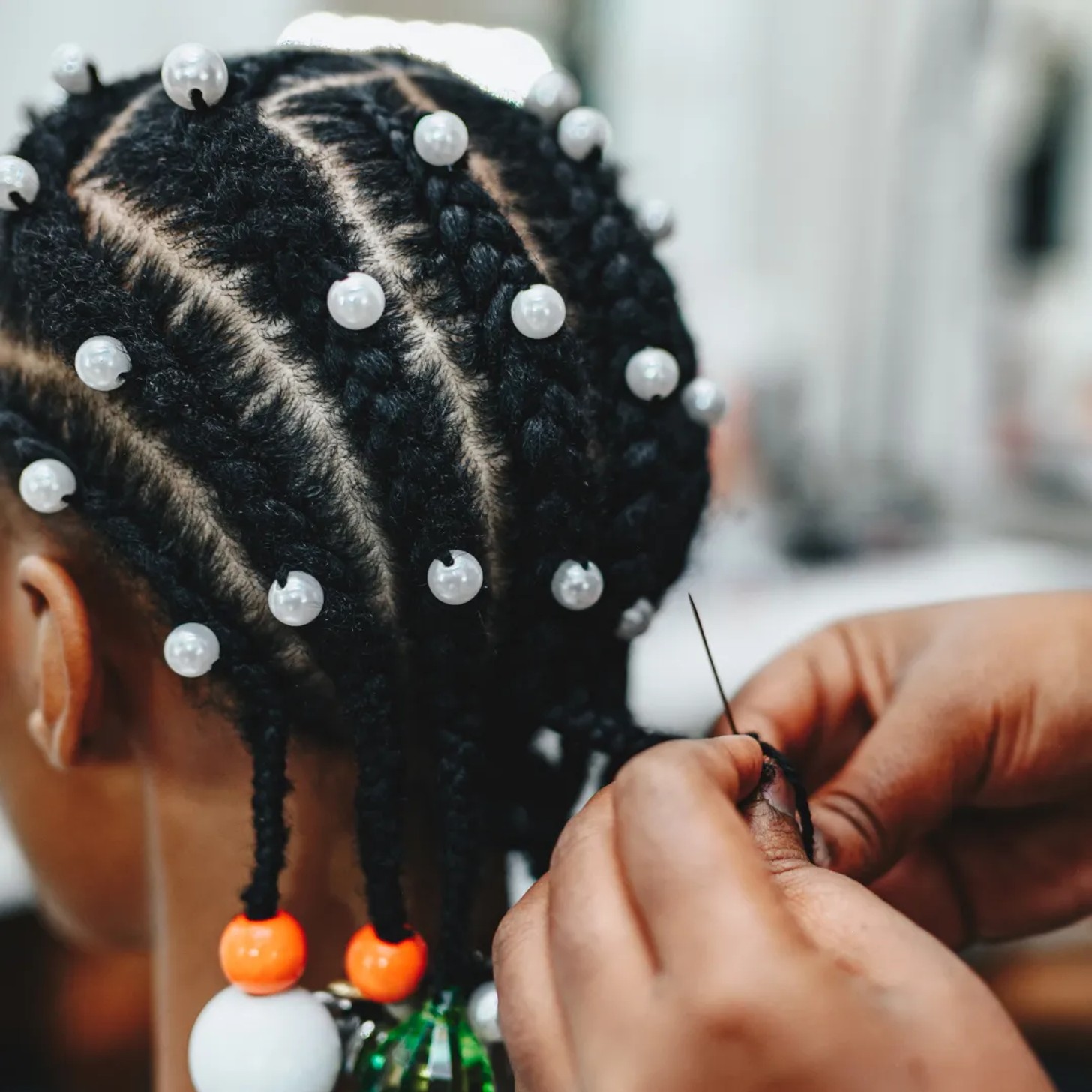
GLAMOUR: There's a long-standing belief that braids need to be tight if you want them to last. What's your view?
Bonolo: It doesn't have to be tight to last longer. That's one of the biggest things I want people to understand about textured hair and protective styling.
Good preparation, technique and understanding the hair can give you longevity without unnecessary tension on the scalp and hairline. Protective styling should do exactly what the name says: protect the hair.
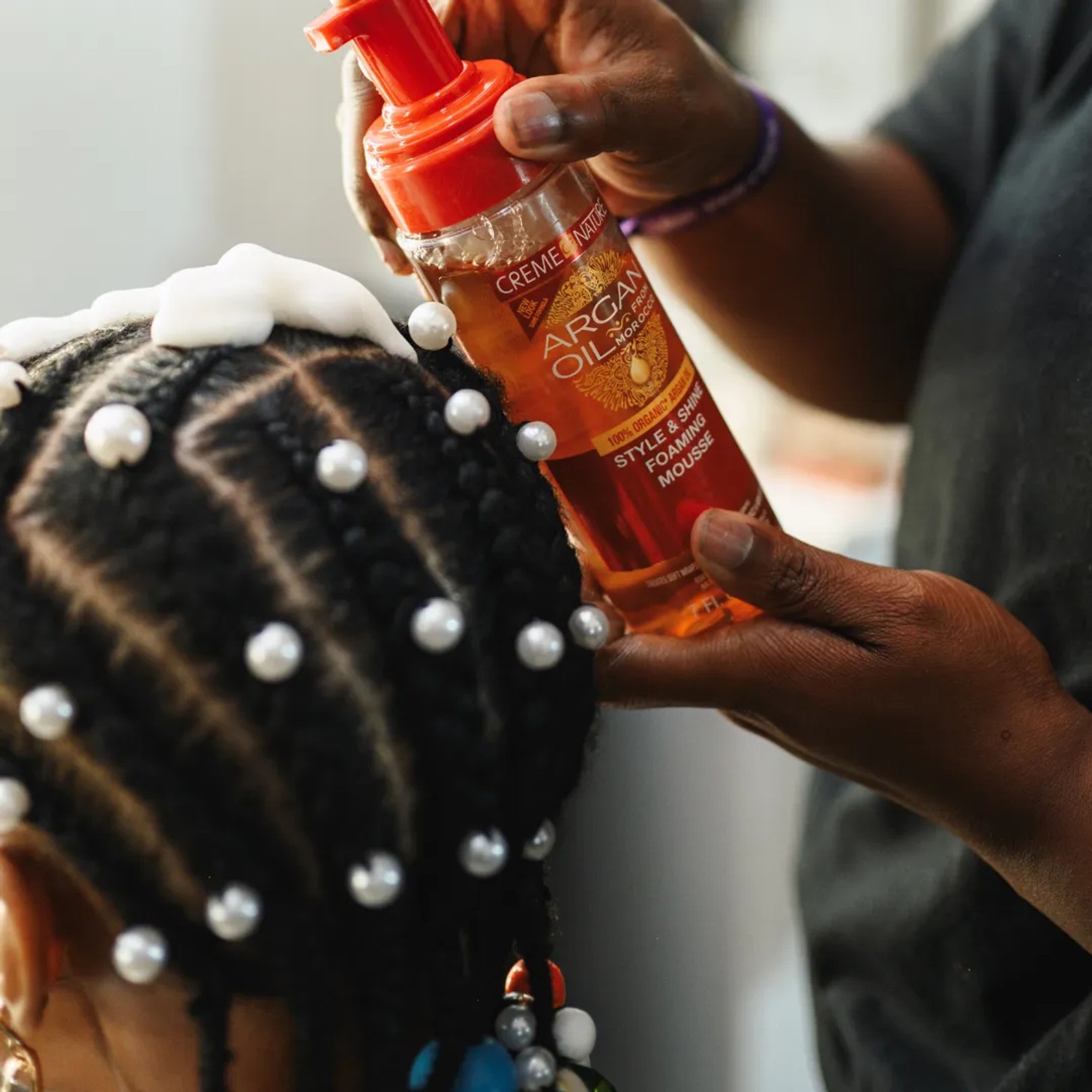
GLAMOUR: So, what should someone expect when sitting in a braider's chair?
Bonolo: The hair should be properly prepared before styling. Hydrate before using a brush or comb.Textured hairstyles look better when the hair is wet, damp, or has enough product for slip, rather thanbeing aggressively manipulated while dry.
And you don't have to use gel all over the head to braid. I believe in using product where it's needed. Youcan keep the hair moisturised, use a little gel where you need additional control, such as around the edges,and that's enough. More products don’t automatically equal a better or longer-lasting style.
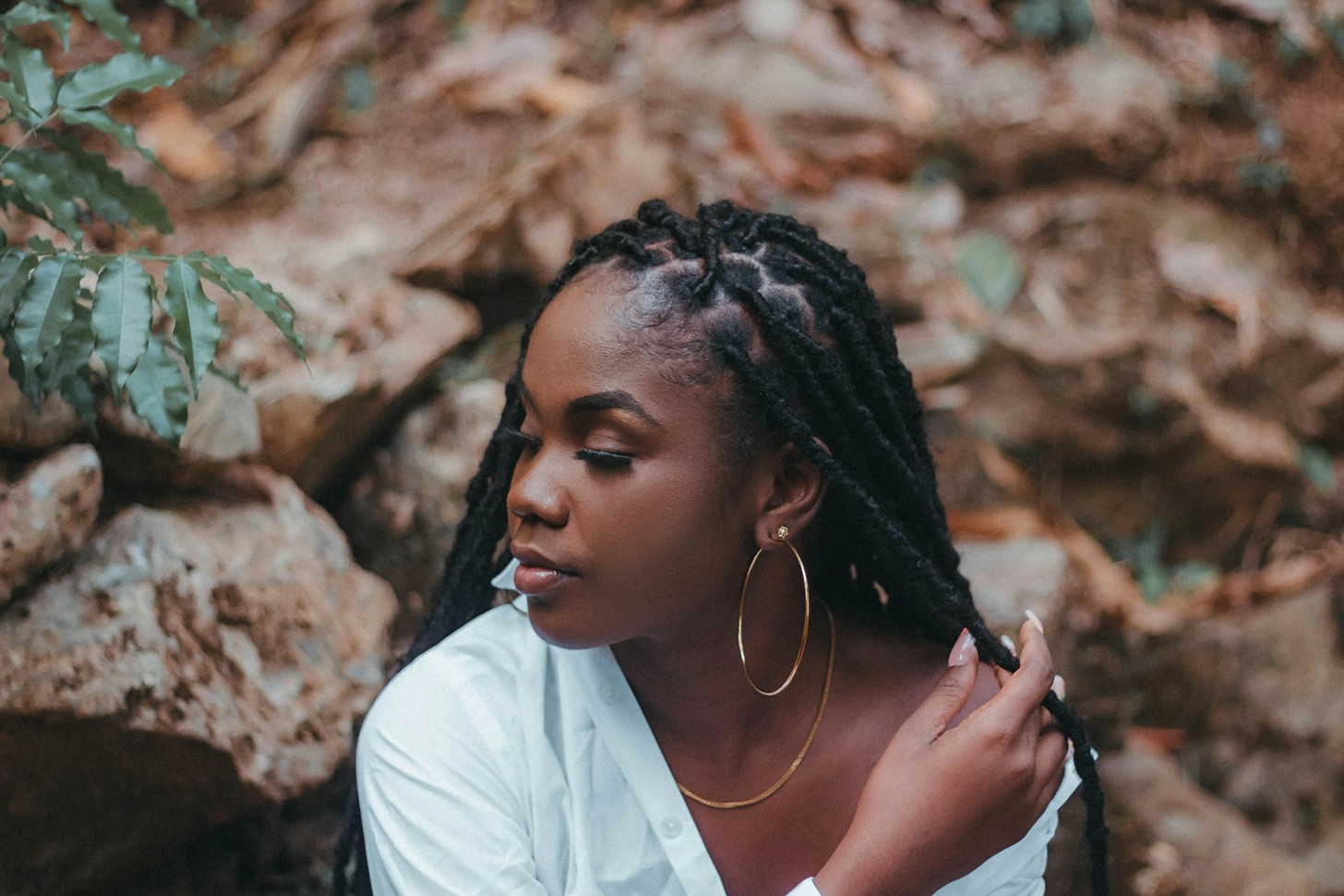
GLAMOUR: If you could give women just three rules for maintaining textured hair and protectivestyles, what would they be?
Bonolo: Hydrate. Moisturise. Care for your scalp.Care for your scalp regularly. Once a week is a good maintenance point for many of my clients, althoughthat depends on the protective style and the individual's scalp needs.Keep the scalp clean and cared for. If you're washing your braids, make sure they're properly dried afterwards. And don't forget about your natural hair just because it's underneath a protective style.
Ultimately, the goal isn't to keep adding products. It's to understand what your hair needs.


