
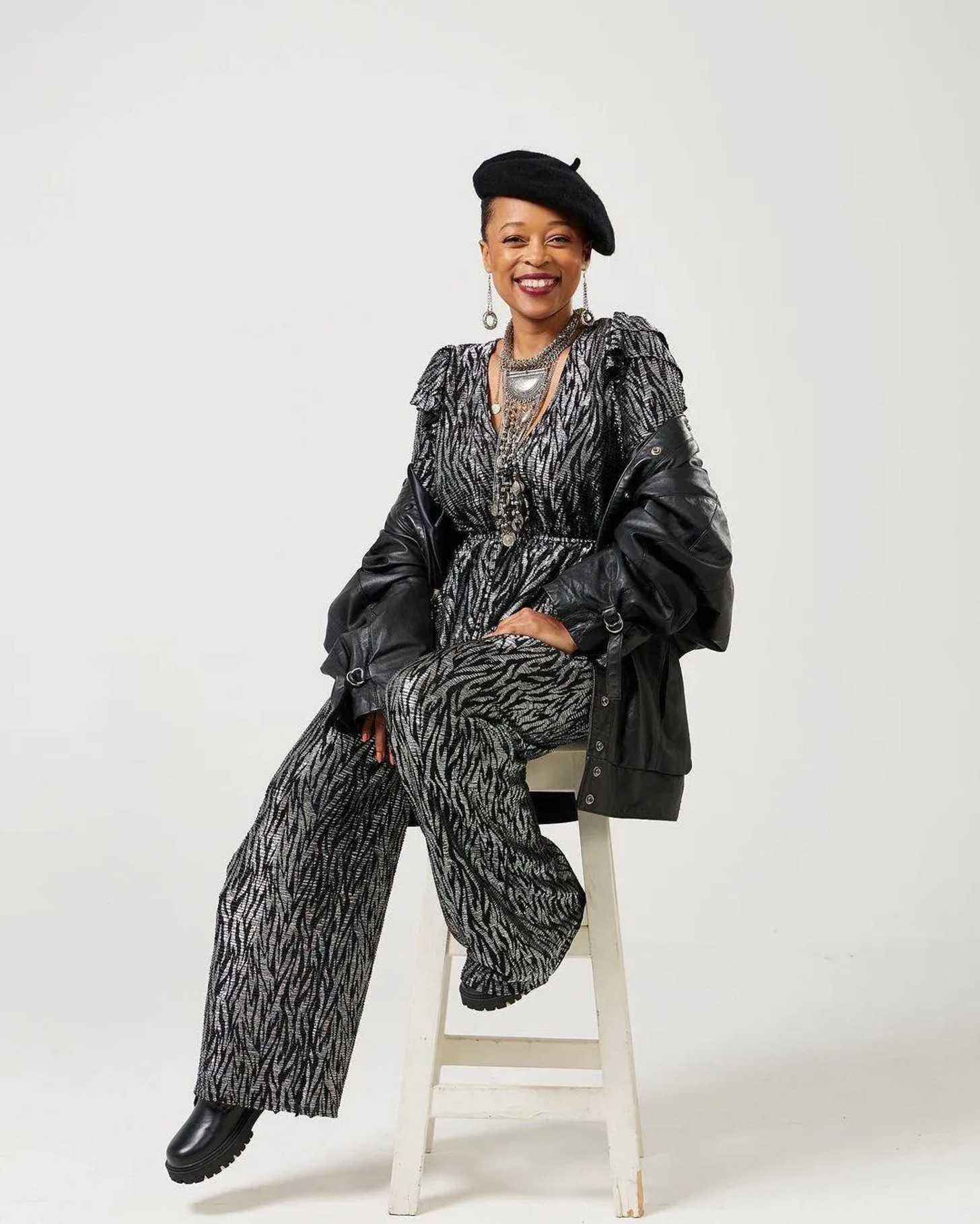
For more than two decades, Mmabatho Montsho has established herself as one of Southern Africa's most compelling creative voices. Whether in front of the camera as an acclaimed actress or behind it as a writer, director and producer, her work has consistently challenged convention, centred women's experiences and sparked important conversations about society.
Her latest documentary, Marxism & Period Pains, continues that tradition. The film examines a subject that millions of women experience but that remains overlooked in mainstream discourse: period pain. Through interviews with women across South Africa, alongside insights from health professionals and experts, Montsho explores the often-unseen relationship between menstruation, labour, economics and gender. The result is a thought-provoking documentary that asks who ultimately bears the physical, emotional and financial cost of period pain — and why these conversations continue to be sidelined.

We caught up with Montsho to discuss the film, the power of documentary storytelling and why she believes women's experiences deserve far greater attention.
GLAMOUR: The title Marxism & Period Pains is impossible to ignore. What made you choose a title that is both provocative and deeply intriguing?
Mmabatho Montsho: For several reasons. Thematically, I think it makes a clear statement about what the film is about — the class implications of period pain on women as workers. Because it involves period pain, people may expect a film focused primarily on healthcare or one of the many other issues surrounding menstruation. Marxism & Period Pains narrows the conversation to the central concern of the film.
@mmabathomontsho I made a film about something so many women can relate to - getting up to go to work with period pains! A monthly pain that is dismissed, despite how debilitating it can be! Marxism & Period Pains will have limited screenings in Cape Town and Joburg as part of the Encounters International Documentary Festival! I’d love to see you there ❤️ ticked and more info available here: https://encounters.co.za/film/marxism-period-pains/
♬ original sound - MontshoTheBlack
I considered changing it to something more neutral, but ultimately decided to keep it in the hope that the film would find its community while also introducing these ideas to a new audience.
GLAMOUR: You've built a career telling stories that challenge societal norms and centre women's experiences. What drew you to explore menstruation through the lens of documentary filmmaking?
Mmabatho Montsho: What I enjoy about documentary filmmaking is the opportunity to bring multiple voices, experts and personal anecdotes into one space, all balanced through editorial decisions.
Documentary is a beast you have to negotiate with because, even with editorial control, the truth of the story often fights for itself through the material you've captured. It's a compelling experience.
On a practical level, documentary is also incredibly accessible. There were days when I filmed and recorded sound entirely on my own — something that is only really possible in documentary. An idea can be realised practically, creatively and urgently.
GLAMOUR: Many women spend a significant part of their lives managing periods, yet the topic remains surrounded by stigma. Why do you think conversations around menstruation are still so difficult to have openly?
Mmabatho Montsho: Interestingly, three of the high school girls I interviewed actually requested to be interviewed. Only a handful of people declined my interview requests because of the topic, and I reached out to more than 30 people.
I also looked at the numbers attached to the hashtag "period pains" on TikTok and found there were more than a billion posts. My experience is that women are speaking openly about this on their own platforms.
What we're seeing instead is a deliberate exclusion from mainstream platforms because of who finances — and therefore decides — which narratives are considered worthy of public consumption.
The real question is why this conversation continues to be suppressed. One of the topics discussed in the documentary that surprises many people is that menstrual leave policies existed as early as the late 1920s. Politically, this is not a new conversation. The suppression of it has been remarkably consistent.
GLAMOUR: The film examines the intersection of gender, economics and reproductive health. Was there a surprising connection you uncovered while making the documentary?
Mmabatho Montsho: I wouldn't say there was a surprising connection. From the outset, I knew I wanted to tell a story about how period pain affects working women — their wages, unpaid leave and uncompensated reproductive labour.
As I mentioned earlier, a film is a living thing. A significant part of it makes itself "behind your back" as a filmmaker. I hope that once I've gained some distance from the project, I'll be able to watch it and discover connections that emerged naturally during the process.
GLAMOUR: Throughout the film, we hear from women with vastly different experiences. Were there any stories that particularly shifted your own perspective on menstruation and womanhood?
Mmabatho Montsho: Absolutely. Nomalanga Nyanda, who produces self-care products, told me that her period is actually a particularly beautiful time in her life.
Since interviewing her, that has become something I aspire to because menstruation has always been a difficult experience for me. The story of a beautiful menstruation experience also deserves exploration.
GLAMOUR: As both a filmmaker and a woman, did this project challenge any assumptions you held about periods, pain or the systems that shape women's lives?
Mmabatho Montsho: Because period pain is so normalised, I assumed there was very little research on menstruation.
That assumption was challenged by the healthcare professionals I interviewed, who highlighted that the real issue may be access to information and the sharing of knowledge that encourages women to seek medical support when necessary.
GLAMOUR: Your work often sits at the intersection of storytelling and social commentary. How do you balance creating a compelling film while also tackling complex issues?
Mmabatho Montsho: I don't think it's possible to tell any story without making social commentary. Whether overtly or subtly, a storyteller is always engaging with an issue and making commentary — whether it's a romantic comedy, an action thriller or a documentary about food. If you respect your work and your subject matter, it will always be a complex exercise.
GLAMOUR: There has been growing global awareness around menstrual health and period poverty. From your perspective, what conversations are still missing in the South African context?
Mmabatho Montsho: There is certainly growing global awareness, which is exciting. This film is the humble contribution I felt was important to make to that broader conversation.
GLAMOUR: Making a film about periods could easily lean heavily into statistics and research. How important was it for you to centre personal stories and lived experiences instead?
Mmabatho Montsho: Behind the numbers are real people who experience period pain and live with its consequences every day. Personal stories make the conversation more accessible, relatable and engaging. They help audiences connect with the issue in a meaningful way.
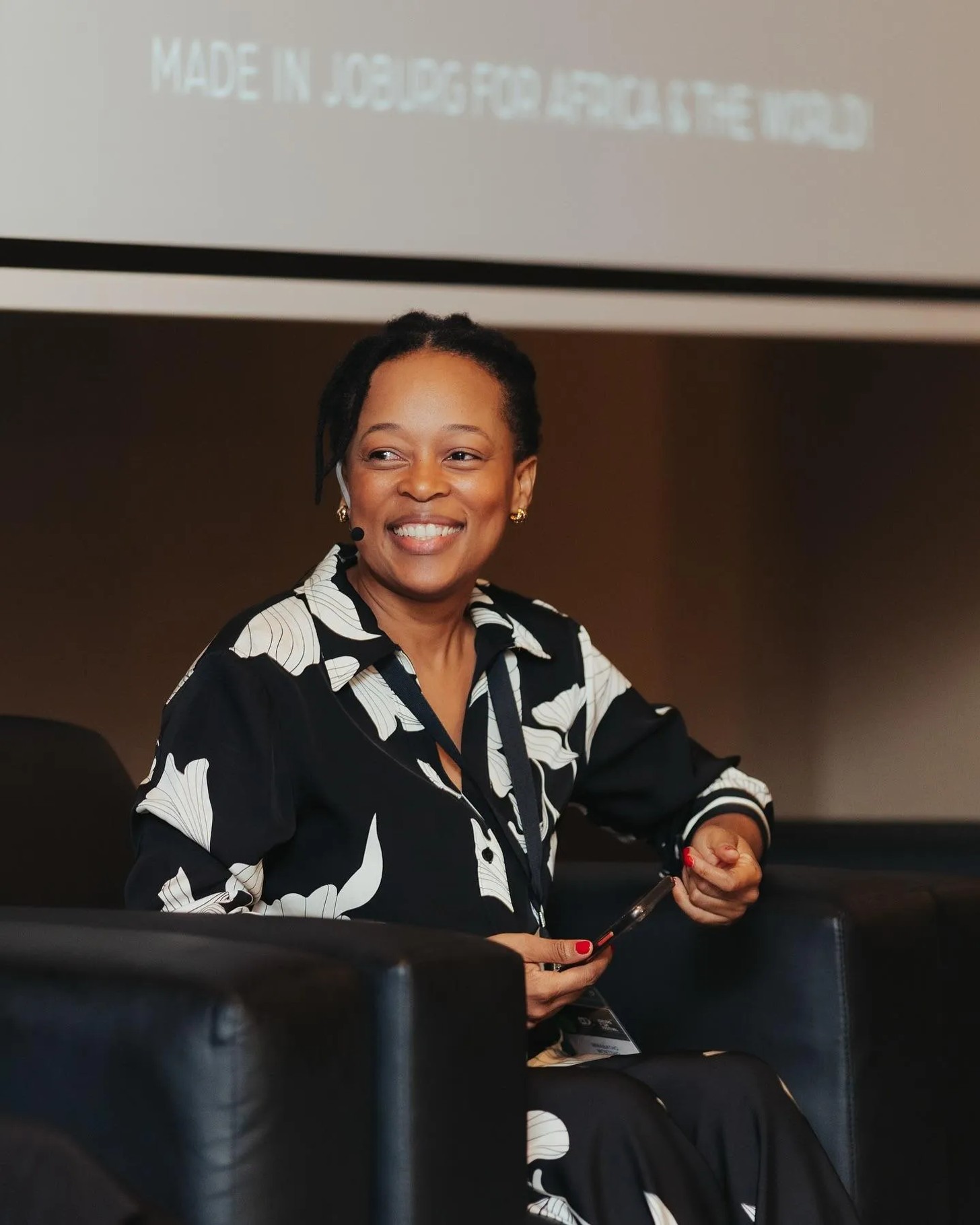
GLAMOUR: The documentary raises questions about who bears the financial, physical and emotional cost of menstruation. What do you hope audiences reflect on after watching the film?
Mmabatho Montsho: I hope women, collectively, remember our context as workers. Many women have to work, and many women want to work — not only for economic liberation, but because we also want to help shape society. We need more meaningful conversations about making workplaces fair and reciprocal for women and for the realities of how our bodies function.
GLAMOUR: If a young woman watches Marxism & Period Pains and sees her own experiences reflected on screen for the first time, what do you hope she takes away from it?
Mmabatho Montsho: That her pain is valid and worthy of care. That nobody needs to physically and symbolically bleed for the bosses to make profits.
Recent stories by:
Sindeka Mandoyi

Why blue-light glasses are suddenly the coolest fashion accessory

6 South African female friendships and sisterhoods we’re obsessed with

Love Is Blind South Africa: Here’s why Dineo and Solo Langa are the perfect hosts

Pink Tax Explained: Why women pay more for everyday products in South Africa

10 Things we’re romanticising this Spring
GLAMOUR Recommends
What is ovulation and when does it happen?
7 Reasons your period might be heavier than usual
Women’s Health Alert: Don’t suffer in silence with endometriosis
5 empowering ways to boost your vaginal confidence (and these tips will enhance your sex life hugely)
The best 10-minute workout to fit into your busy day, according to 10 trainers


