
Across Africa, some of the most inventive approaches to women’s health are being shaped by women leaders combining deep expertise with an intimate understanding of the communities they serve.
A teenage girl can use an SMS or QR-coded card to access reproductive health services without needing a smartphone. A woman who is struggling with her mental health can receive support from a trained grandmother. Young women are being equipped to challenge gender-based violence in their own communities. The law is becoming a powerful lever, giving women a way to seek justice when their health rights are violated.

Behind these approaches are four women whose organisations have been recognised through Action for Women’s Health, a $250 million global open call launched by Pivotal, a group of organisations founded by Melinda French Gates, in partnership with Lever for Change.
Serah Malaba of Tiko, Dr Esther Tumbare of Friendship Bench, Naana Otoo-Oyortey MBE of FORWARD, and Fatia Kiyange of the Center for Health, Human Rights and Development (CEHURD) are working in different countries and on very different challenges. But their work shares something important: each begins with the realities of women and girls themselves.
“In the years I’ve spent working on women’s health, I’ve heard from so many women who feel invisible in the health system—who simply haven’t gotten the care they need. Fortunately, extraordinary community leaders are stepping up to change that. Serah, Esther, Naana, and Fatia are four of those leaders. They each deeply understand the health challenges that women in their communities face—and they’re responding with determination, creativity, and solutions that work. Their work reminds us that some of the most innovative ways of helping people get care are being created by African women, for African women.”
— Melinda French Gates
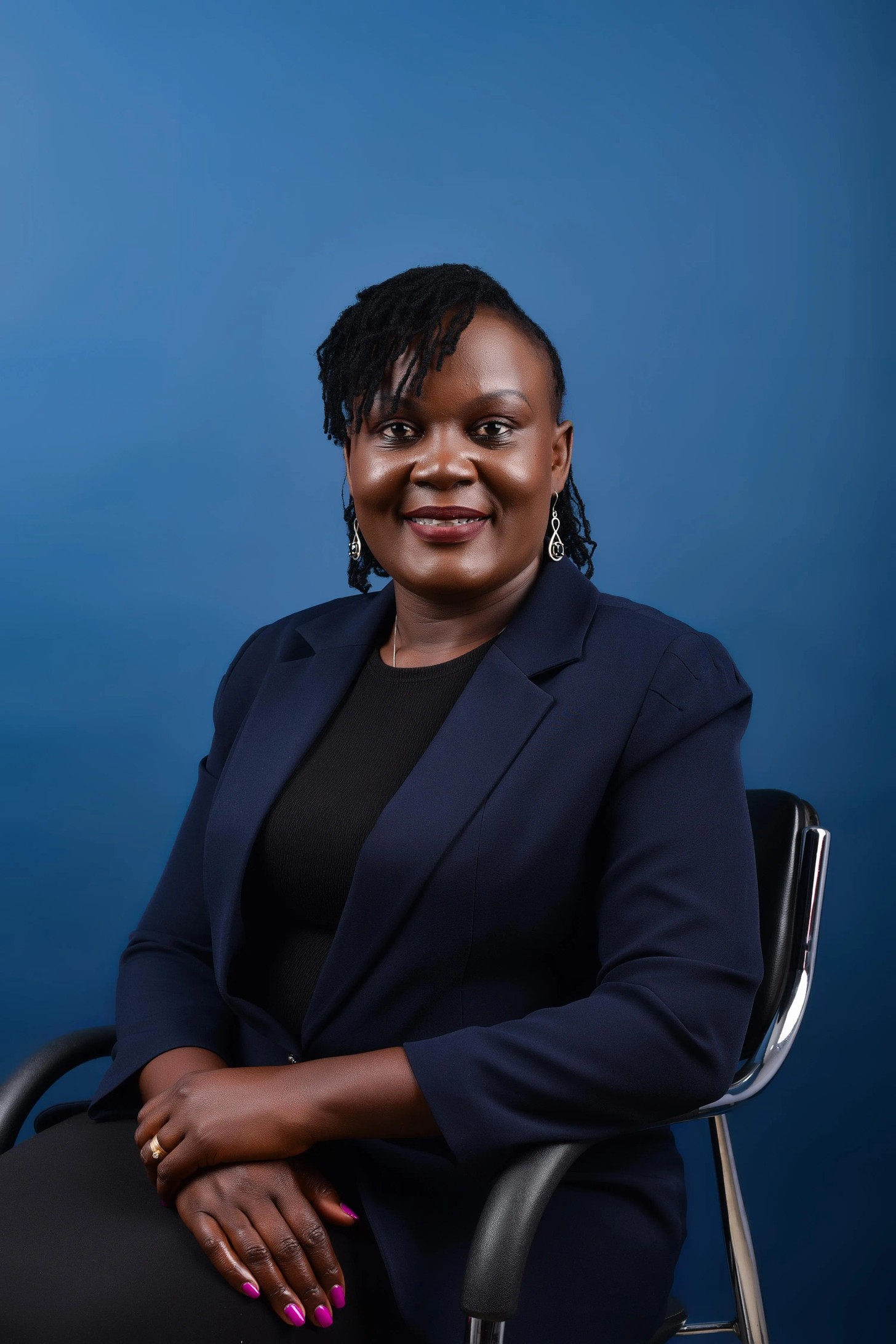
Serah Malaba: Using Technology to Make Healthcare More Human
For Serah Malaba, Co-CEO of Tiko, the failures and gaps in health systems have never been abstract: she lost both of her parents to AIDS when she was 24. The experience, she says, fundamentally changed how she thinks about public health.
“When a system fails to find people on time and with what they need to thrive, the cost isn’t measured in metrics—it’s lives disrupted and future plans denied,” she says.
Today, Malaba oversees Tiko’s impact across six countries—South Africa, Burkina Faso, Ethiopia, Kenya, Nigeria, and Uganda—where the organisation works with adolescent girls and young women facing what it calls the “Triple Threat”: unintended pregnancy, HIV, and sexual and gender-based violence.
Tiko combines a deeply local model of care with technology designed to work in real-world conditions. Peer mobilisers, community health workers, and local organisations connect girls to trusted services in their communities, while QR-coded cards and SMS make it possible to access free contraceptive services, HIV services, and trauma-informed support without needing a smartphone or internet connection.
As Tiko confronted the connections between sexual violence, HIV and unintended pregnancy, Malaba says conversations with girls made clear just how fragmented the systems around them could be.
“At Tiko, we stopped designing systems for girls and started building them with girls,” she says. “If a solution doesn’t make a girl feel safe, respected, and in complete control of her choices, it’s not a true solution.”
For Malaba, the Action for Women’s Health recognition offers an opportunity to strengthen that ecosystem of care—not only connecting a survivor to medical treatment, but, where possible, helping create pathways to counselling, legal support, safe housing, education and economic opportunity.
“What gives me deep, unwavering hope,” she says, “is the resilience and agency of girls themselves when they are supported.”
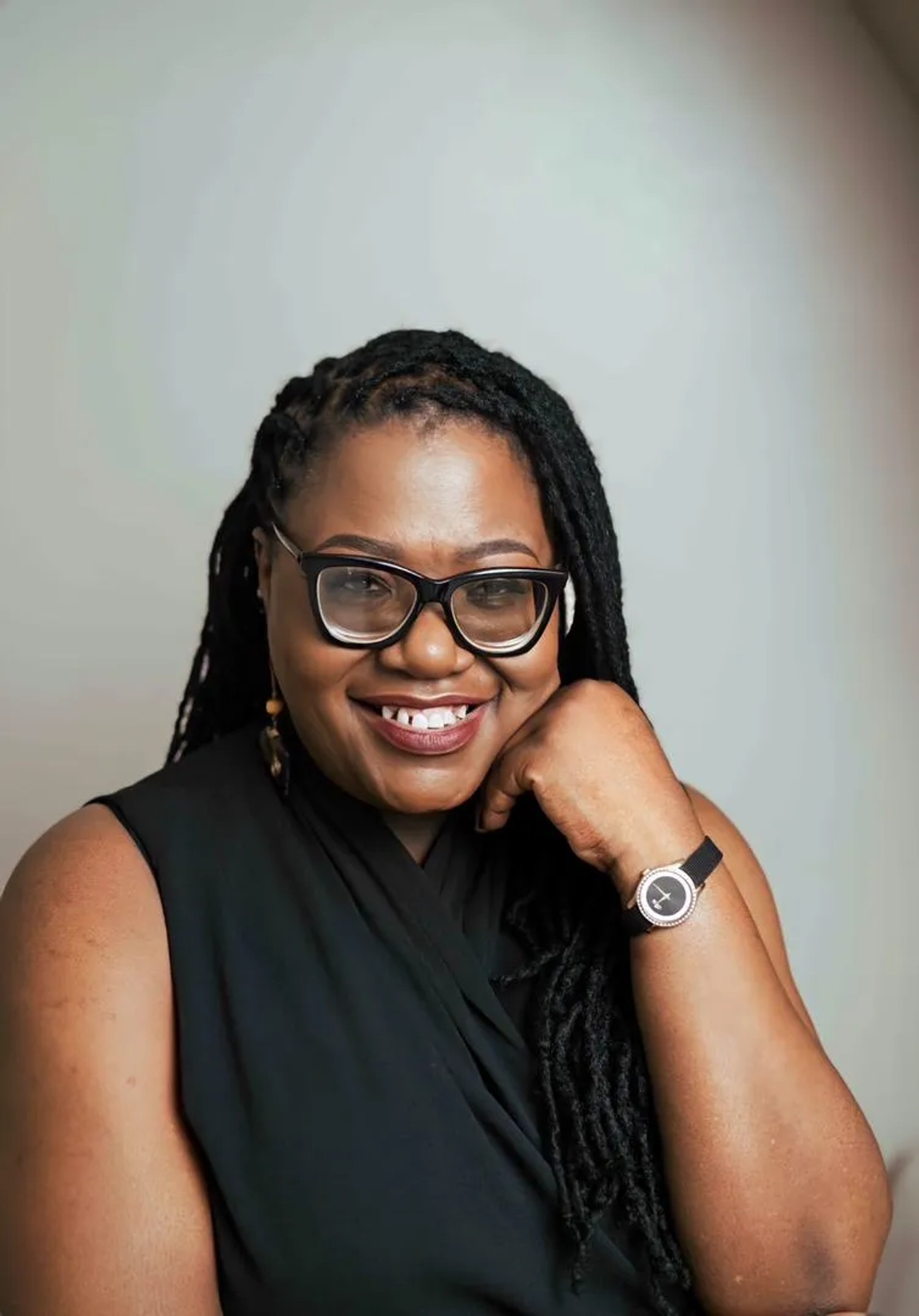
Dr. Esther Tumbare: Drawing from the Wisdom of Grandmothers
Dr. Esther Tumbare leads Friendship Bench, a community mental-health model. Developed in Zimbabwe and now expanded to countries including Zambia, Kenya, Malawi and Botswana, Friendship Bench trains lay health workers—many of them older women affectionately known as “grandmothers”—to provide evidence-based psychological support within their communities.
Given that access to a psychologist or psychiatrist can be extremely difficult in a resource-constrained health system, this model allows a woman in distress to sit down with a trained lay health worker and simply be heard.
“We are not trying to replace psychologists or psychiatrists,” Tumbare says. “We are creating a bridge between communities and an overstretched health system.”
The grandmothers, she says, have taught her that leadership does not always mean having the answer. Sometimes it means listening well enough for another person to find her own.
Tumbare came to Friendship Bench after years working across public health, HIV, tuberculosis and health-system strengthening. She says one lesson has followed her throughout that career: women are often “the shock absorbers of our societies”—absorbing the impact of economic hardship, illness, bereavement, and instability, often while their own distress remains invisible. This understanding has shaped the way Tumbare thinks about mental health, and the way she leads.
For Tumbare, having her organisation be named an Action for Women’s Health awardee is a powerful validation that community-led wisdom, when backed by evidence, can challenge global assumptions about where healthcare begins. “I believe Africa has an opportunity to do more than catch up with mental health systems elsewhere,” she reflects. “We can help redefine what accessible mental healthcare looks like for the world—and that gives me tremendous hope.”
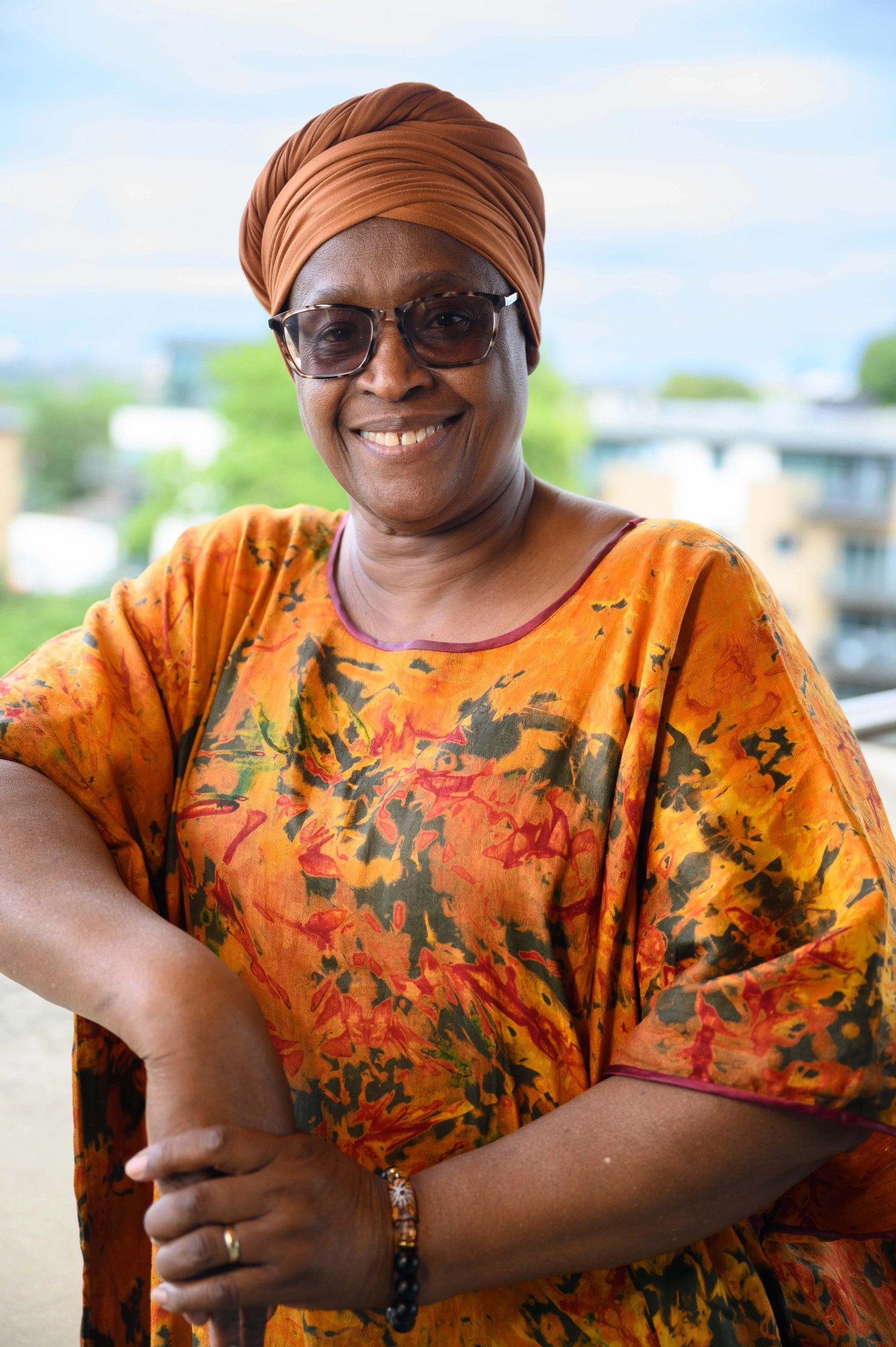
Naana Otoo-Oyortey: Leading a Sisterhood of Global Change Makers
When Naana Otoo-Oyortey learned that FORWARD had been selected as an Action for Women’s Health awardee, she did not immediately call a meeting or send a celebratory message.
She closed the email and went to pray.
“I was in a daze,” she says. The timing carried particular meaning: FORWARD was marking its 40th anniversary.
Otoo-Oyortey, a Ghanaian feminist advocate, is the organisation’s Executive Director. Her own commitment to women’s rights stretches back even further, to an early-career decision to leave the academic path expected of her and work with rural communities in northern Ghana. Through her work, Otoo-Oyortey encountered female genital mutilation (FGM) and other traditional harmful practices. She also learned something that would shape the rest of her career: change could not simply arrive from elsewhere. “This was an African struggle, and it required African voices, African leadership, allies and advocates working together,” she says.
Today, FORWARD works to end violence against women and girls and advance sexual and reproductive rights and young women’s leadership. Through its flagship Tuwezeshe Akina Dada programme—Swahili for “empowering our sisters”—young women aged 18 to 30 receive training, mentoring, opportunities to build networks and sisterhood, and support to lead social-action projects in their own communities. With support received through Action for Women’s Health, FORWARD plans to expand the programme.
Otoo-Oyortey’s work at FORWARD builds on the legacy of its founder, Efua Dorkenoo OBE, and former director Adwoa Kwateng Kluvitse. Otoo-Oyortey is dedicated to investing in the next generation in part because the battles she has spent decades fighting are far from over.
“These are certainly not issues of the past,” she says of FGM and child marriage. “The African continent continues to bear the highest burden of both FGM and child marriage. While we have made great progress, this progress should never be confused with victory.”
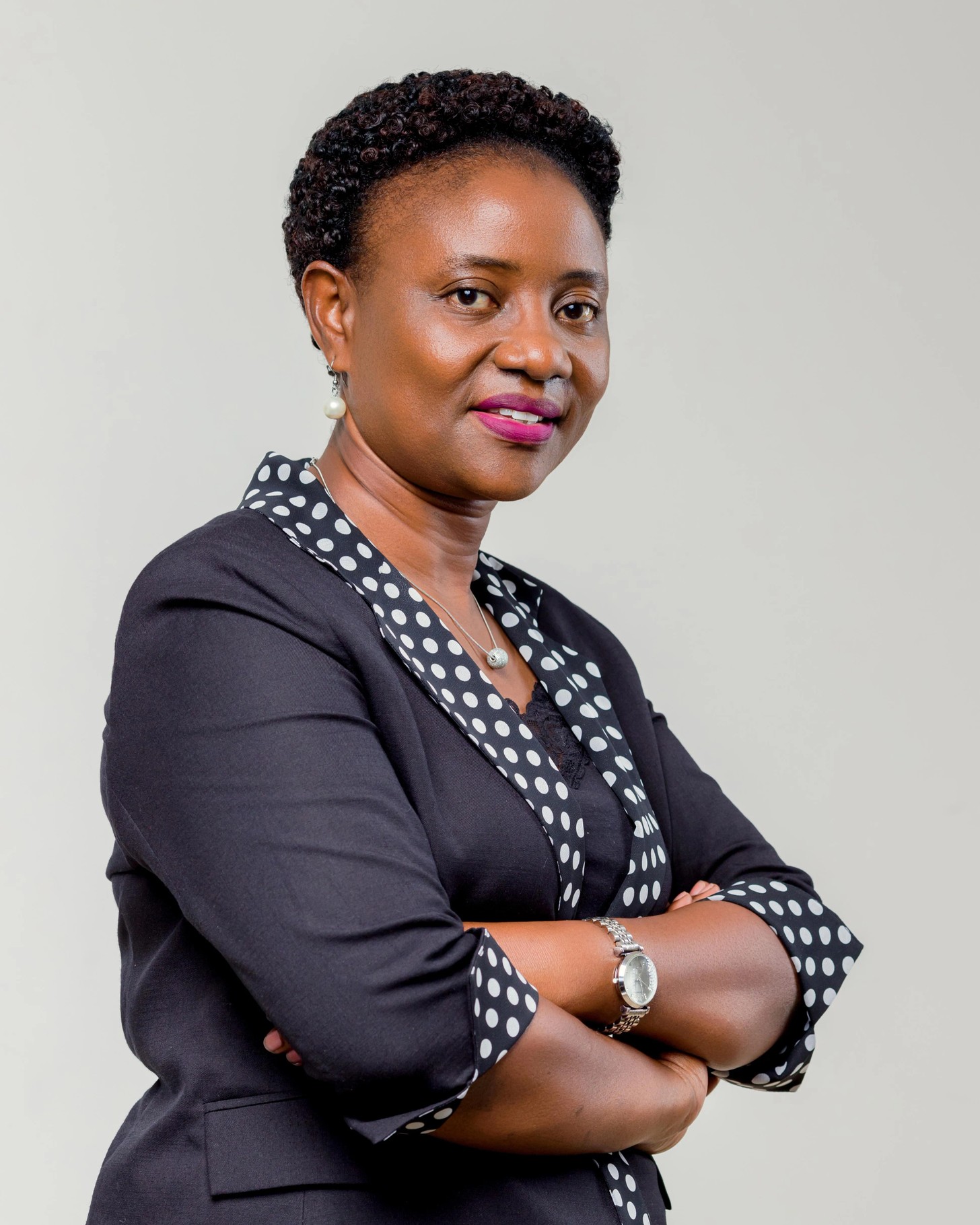
Fatia Kiyange: Justice as a Bridge to Healthcare
Fatia Kiyange’s earliest lesson about the circumstances shaping women’s health came from her own mother. Kiyange was the first child born to her mother when she was still a teenager. She watched her mother take on all kinds of work to keep Kiyange and her six siblings in school and meet their health needs. That experience eventually helped inspire Kiyange to study social work and build a career advocating for vulnerable communities, particularly women and girls.
Today, she is Executive Director of Uganda’s Center for Health, Human Rights and Development, or CEHURD, where health is approached not only as a medical issue, but as a legal right.
CEHURD receives and documents cases from communities across Uganda through a toll-free line, partner referrals and community outreach—dispatching rapid-response teams that help survivors of sexual violence access medical examinations, HIV-prevention treatment and support to leverage the justice system. The organisation combines this frontline legal aid with litigation and community legal-literacy training.
“Despite all odds, my story demonstrates that girls and women thrive and reach their full potential when given opportunities for good education and employment,” Kiyange says.
Being recognised through Action for Women’s Health represents a significant moment for the organisation. Kiyange says the award is among the largest single-duration grants CEHURD has received during the past five years of her leadership, at a time when sustaining women’s-health work has become increasingly difficult.
The work can carry its own emotional weight. Kiyange readily admits that taking care of herself while leading it is difficult.
“I have identified fellow women leaders with whom I often discuss challenging situations and share my vulnerability as a way of debriefing and finding solutions,” she says.
It is a small detail, but one that echoes through the work of all four leaders: change rarely happens alone. The future of women’s health in Africa will not be built by simply importing more solutions into the continent. Much of it is already being imagined there—in communities, courtrooms, clinics and conversations—by women who understand the value of building solutions in partnership with the people they serve.
As Women’s Month concludes, these four trailblazers remind us that African-led solutions are not just necessary—they are already reshaping the future of global health.
Recent stories by:
Thobeka Phanyeko

Inside the Cotton On RUBI x Luyanda Zwane Collaboration Launch

Are you in a relationship with a narcissist? This is what you need to know

Wellness Wednesday: Moshitadi Lehlomela on Healing the Mother Wound and Finding Your Way Back to Yourself

A Look Inside the 2026 Samsung Galaxy Content Creator Awards


