
Lake of Stars has never been just another date on Africa’s festival calendar. For more than two decades, the Malawian institution has quietly redefined what a music festival can achieve, transforming pristine lakeside destinations into stages for cultural exchange, creative entrepreneurship and community development.
What began as an ambitious effort to introduce the world to the “Warm Heart of Africa” has evolved into one of the continent’s most influential cultural platforms, proving that festivals can be as powerful for nation-building as they are for entertainment.

At a time when Africa’s live events economy is attracting unprecedented global attention, Lake of Stars offers a compelling blueprint for sustainable cultural development. The festival has generated millions of dollars for Malawi’s economy, elevated hundreds of local artists onto international stages, empowered thousands of young people and deliberately taken tourism beyond the country’s traditional hotspots. Its impact stretches far beyond a single weekend, creating an ecosystem where artists, entrepreneurs, communities and visitors all become part of Malawi’s evolving story.
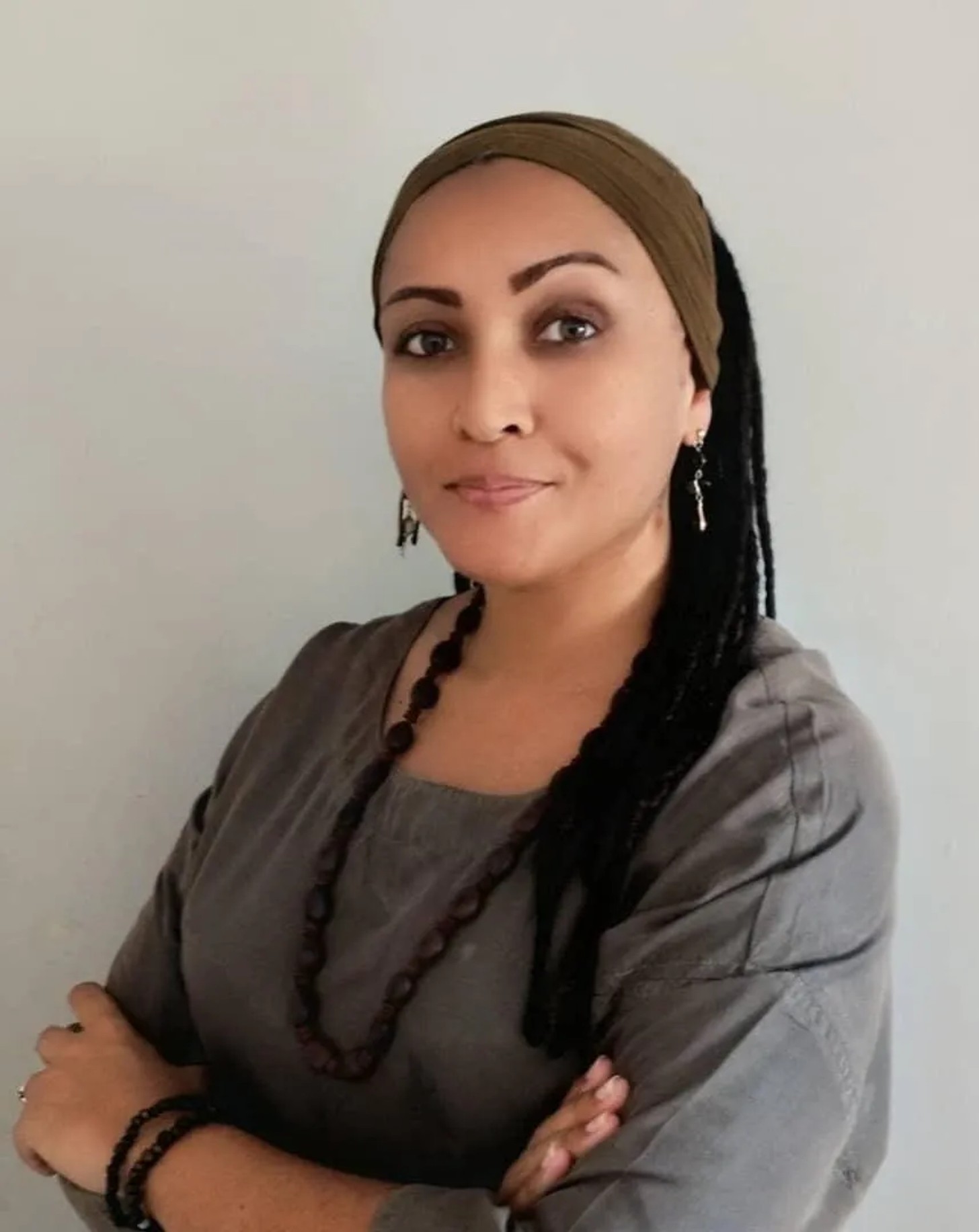
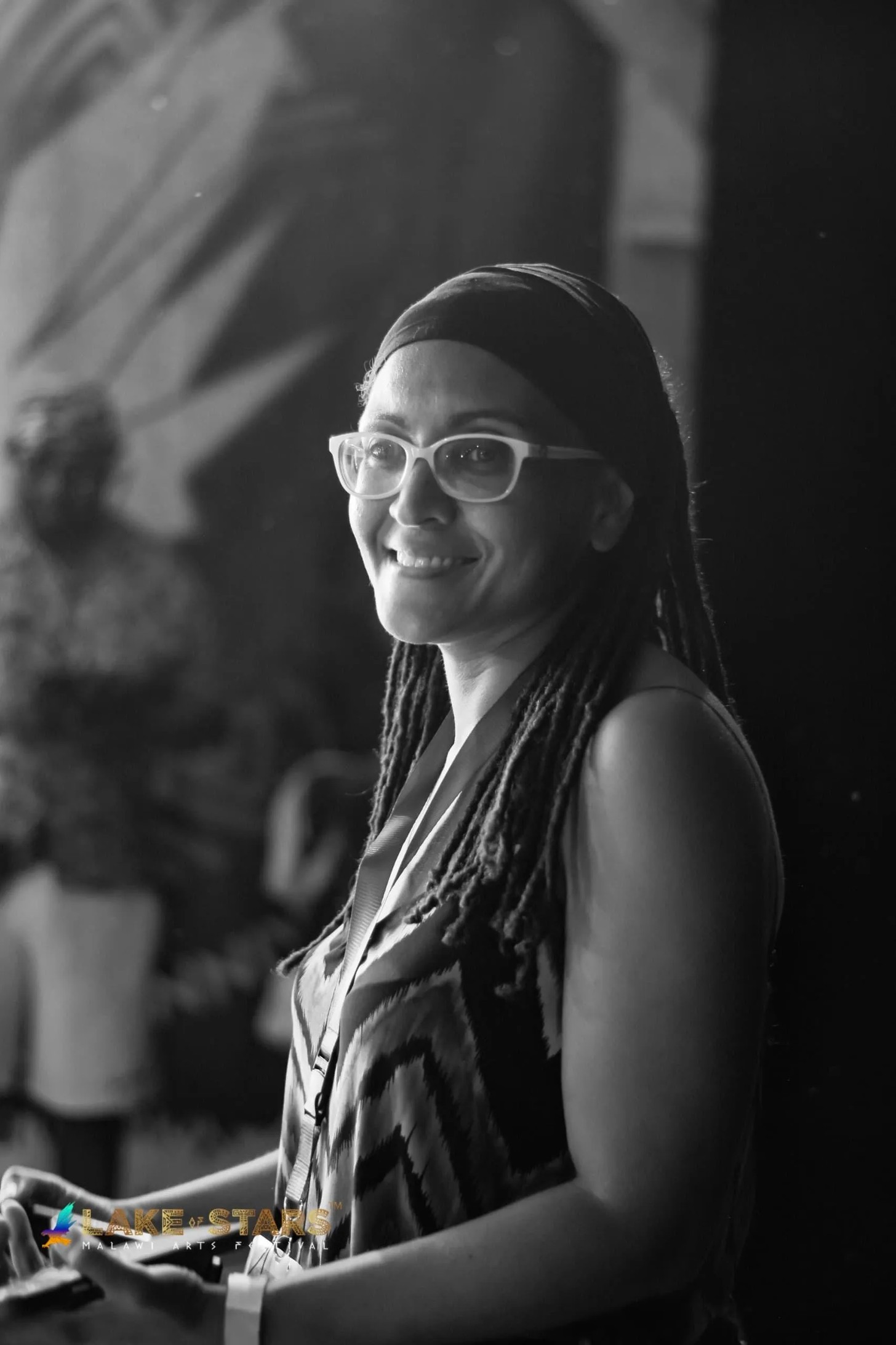
Driving that vision is Sharmila Elias-Taijala, Executive Director of Dusty Orange Projects Et Al (DOPE), the organisation behind Lake of Stars. With more than two decades spanning tourism, conservation, film and the creative industries, she has helped position culture as a catalyst for economic growth, community empowerment and international storytelling. Under her leadership, the festival has embraced sustainability, cultural diplomacy and grassroots collaboration as defining principles rather than marketing buzzwords.
This year’s return to Nkhotakota reflects that philosophy perfectly. Rich in history, biodiversity and cultural heritage yet often overlooked by mainstream tourism, the lakeside district embodies Lake of Stars’ enduring mission: using creativity to shine a spotlight on places with untapped potential while ensuring local communities remain central to the story. It is an approach that has turned the festival into one of Africa’s most distinctive examples of how arts, tourism and social impact can coexist.
Ahead of the 2026 edition, GLAMOUR South Africa sat down with Sharmila Elias-Taijala to discuss the festival’s remarkable 20-year journey, why culture remains one of Malawi’s greatest economic assets, the importance of sustainable tourism, and how Lake of Stars continues to reshape global perceptions of the country, one performance, one community and one unforgettable festival at a time.
Glamour: Lake of Stars has been part of Malawi's cultural landscape for more than two decades. Looking back, what was the original vision for the festival, and how has that vision evolved as the country and creative sector have changed?
Sharmila Elias-Taijala: The original vision behind the Lake of Stars Malawi Arts Festival was to showcase Malawi to the world, through its arts, beautiful landscapes, rich culture, and the warmth of its people. From the start, the festival aimed to positively change perceptions of the country and create a platform where people from around the world could experience Malawi in an authentic way.
Over the past two decades, that vision has grown into something even more impactful. The festival has become a catalyst for socioeconomic development, helping launch the careers of emerging Malawian artists while creating opportunities for local businesses and communities. By moving the festival to different locations across the country, we've also helped shine a spotlight on underrepresented locations, encouraging tourism and supporting local development.
While the creative sector has evolved significantly over the years, our mission remains the same: to celebrate Malawi, connect people through the arts, and demonstrate the important role culture plays in tourism, economic growth, and national identity. The organisation that manages the festival today was inspired from the festival’s model of utilising the arts as a transformative tool for socioeconomic advancement.
Glamour: Many people still think of festivals simply as entertainment. How would you explain the real value Lake of Stars brings to Malawi, particularly for local communities, artists and small businesses beyond the festival weekend?
Sharmila Elias-Taijala: Lake of Stars is far more than entertainment. In a single successful festival weekend, it has generated an estimated USD 500,000 to USD 2.5 million for Malawi's economy. But its true value lies in what happens beyond the music.
The festival is a platform where global networks, meaningful collaborations and creativity come together to showcase Malawi at a world class level. It gives emerging artists the rare opportunity to share the spotlight with established local and international talent, opening doors to global opportunities while strengthening Malawi's creative industries, tourism sector and small businesses. Close to about 80% of the line up is Malawian, majority emerging artists, giving everyone an opportunity to win. Btw, its not only the line up that follows this model, it’s the volunteers, core crew, security, media and all the painters of the picasso.
Since its inception, Lake of Stars has been hosted in 6 different locations across Malawi, mainly along the lakeshore, where great potential for tourism revenue lies. Once it creates tangible impact in one community, it moves to another, intentionally spreading opportunities and economic benefits. It has also been the catalyst for Malawi's festival culture. From having virtually no festival scene, the country now boasts more than 50 events on its annual calendar. As the late Lucius Banda aptly called it, Lake of Stars is "the mother of all festivals", a true trendsetter and trailblazer for Malawi's creative and tourism industries.
Its impact also extends well beyond the festival itself. Through Dusty Orange Projects Et Al (DOPE), the organisers have built year round initiatives that champion creativity, inclusion and community development. These include the Day of Ideas Youth Festival, Set It Off – A Creative Women Leadership Festival, Children's Future Festival, Festival Stages to School Desks/ Clinic Furniture, the Mbalame Village Inclusive Soccer Tournament, and community clean-up initiatives that promote environmental stewardship. Together, these programmes amplify marginalised voices, support vulnerable communities and invest in Malawi's future.
Ultimately, Lake of Stars doesn't just host a festival, it awakens ecosystems that build industries, creates opportunities and demonstrates that culture is a powerful driver of economic growth, social impact and national pride.
Glamour: Sustainability has become central to the festival's identity. From community tourism initiatives and environmental programmes to repurposing festival infrastructure, what does hosting a truly sustainable festival look like in practice, and why has that approach become non-negotiable for your team?
Sharmila Elias-Taijala: For us, sustainability isn't a trend or a tick box exercise, it's rooted in who we are as Malawians. Waste is a resource. That's something our culture has practiced for generations. Every Malawian household has an old peanut butter jar that's now storing achar or something else :-) We naturally reuse, repurpose, recycle and upcycle. It's how we've always lived, and we've simply brought that mindset into the way we produce the festival.
Another beautiful part of our culture is waking with the sun to sweep the yard in preparation for guests and as a sign of pride in our home. We honour that tradition through our community clean up initiatives, learning from local communities while promoting environmental stewardship together.
Festivals can generate enormous amounts of waste in a very short time, so our commitment is simple, we leave every site as clean as we found it, with only positive developmental impact remaining. These locations are rural and surrounded by nature, the local communities and stunning landscapes with great potential to be shared with the world through cultural, festival or leisure tourism. They often lack infrastructure and basic resources. Rather than imposing our own ideas, we listen first. We ask communities what they need and work with them to deliver meaningful, lasting solutions through the platform the festival creates. Whether it's repurposing festival infrastructure, supporting community tourism, (such as the Khalani O'Masuka Community Guest Experience pairs festival guests with host families in a nearby fishing village, creating a genuine cultural exchange while directly supporting local households.), investing in other local initiatives, our goal is to ensure the festival leaves behind opportunity, not just memories.
That's why sustainability has become non-negotiable for our team. It's about respecting people, protecting place and proving that festivals can be a catalyst for long-term positive change.
Glamour: One of Lake of Stars' defining strengths is its ability to celebrate Malawian culture while welcoming international audiences. How do you strike the balance between preserving authenticity and creating an experience that resonates with visitors from around the world?
Sharmila Elias-Taijala: Authenticity has never been something we've had to manufacture because Lake of Stars is built by Malawians, for Malawi, with the world invited in. Our organising team is predominantly Malawian, working alongside local communities and international volunteers who bring diverse perspectives and experiences. Together, we create a festival that bridges Malawi to Malawi, the world to Malawi, and Malawi to the world.
Many of us have backgrounds in festival production, tourism, film, environmental stewardship, marketing, community development and even performing as artists ourselves. That mix of lived experience allows us to celebrate Malawi as it truly is while creating an experience that resonates with international audiences.
We don't mold our culture to appeal to visitors, we invite visitors to experience it raw. We listen, we learn, we welcome constructive feedback and continuously improve, always striving to make each festival better than the last while telling a positive and honest story about Malawi.
Delivering a festival here is not without its challenges. Economic pressures, infrastructure limitations, limited resources and a lack of understanding of the creative sector as an economic contributor, can all make the work difficult. But those challenges have shaped a team that is resilient, patient, open minded, focused, resourceful and deeply committed with a ‘can do’ attitude. That determination is part of what makes Lake of Stars authentic, it reflects the spirit of Malawi itself.
Glamour: This year's festival returns to Nkhotakota, a destination with deep historical significance and growing tourism potential. What made it the right home for Lake of Stars, and how does the festival help shine a light on places that deserve greater recognition?
Sharmila Elias-Taijala: The festival's mission has always been to elevate Malawi through the arts and tourism, one location and one festival at a time. Since its inception, Lake of Stars has travelled from Nkhata Bay in the north (Chintheche & Kachere Village) to Salima in the center (Senga Bay & Lufuwu Leopards Bay), Mangochi in the south and now Nkhotakota at the cusp of the north and central regions, intentionally taking the festival to destinations along the breathtaking shores of Lake Malawi that deserve greater recognition. Spread the love.
Nkhotakota is the perfect home because it is one of Malawi's most remarkable yet underrepresented destinations. Just 200km from Lilongwe, it is often overlooked despite its incredible tourism potential. It is home to Malawi's first Free Town, established after the slave trade, some of the country's oldest buildings, mosque, church and school, a rich blend of cultures and faiths, the spectacular Nkhotakota Wildlife Reserve, and the untamed beaches of Lake Malawi.
Lake of Stars exists to shine a spotlight on places like Nkhotakota, just like it did with the other 5 locations in the past years. We’ve the impact it leaves behind. By bringing visitors, artists and media to the district, we help tell its story, support local businesses and communities, and encourage more people to discover one of Malawi's best kept secrets long after the festival has moved on to the next sleeping giant in Malawi.
Glamour: Tourism is often discussed in terms of visitor numbers, but festivals can also reshape how a country is perceived internationally. In what ways has Lake of Stars contributed to changing global perceptions of Malawi over the years?
Sharmila Elias-Taijala: Telling compelling stories about Malawi is one our main focuses. Lake of Stars doesn't only exist to grow tourism, support local communities, empower artists and young people, or create opportunities for businesses. It also exists to help tell a more authentic and positive story about our country and our people.
For too long, Malawi has too often been defined by poverty in international media. While those challenges exist, they are not the whole story. Malawi is also rich in culture, creativity, natural beauty and opportunity. It is one of Africa's hidden gems, with so much to offer anyone who arrives with an open mind and a sense of community.
Over the years, Lake of Stars has introduced thousands of people to a different Malawi. Many international visitors first heard about the country through the festival, then came to experience it for themselves. They left with a deeper understanding of who we are, many returned, and some even chose to make Malawi their home.
That's the power of the festival. It doesn't just bring people to Malawi, it changes the way they see it. I was born in Malawi but grew up in Cape Town, where my mother’s from. I knew very little about Malawi, so I moved here out of curiosity to reconnect with my roots.
I joined Lake of Stars as a volunteer, and it opened doors I never knew existed. It introduced me to a career and a purpose I never imagined for myself. It's a peaceful place, and I'm grateful I came.
Glamour: You've introduced initiatives like community homestays, youth programmes and local partnerships that extend beyond the main event. Why is it important that communities feel like partners in the festival rather than simply hosts?
Sharmila Elias-Taijala: This goes back to being authentically Malawian. Local communities are never just hosts, they are our partners from the very beginning. They help shape the festival, share their ideas and play an important role in making it what it is.
Without the communities, our partners and local authorities, we simply couldn't deliver the festival in a meaningful or authentic way. Lake of Stars belongs to Malawians. It's built with Malawians, for Malawi, and then we warmly welcome our guests to come and experience that with us.
An important part of the Lake of Stars journey is how it began. The festival was founded by a young British creative, Will Jameson, who came to Malawi as a gap-year volunteer. He fell in love with the country and asked, "Malawi, do you know how amazing you are? I'd like to tell the world!" Well, not in those exact words, but you know what I mean?
And he didn't do it alone. From the very beginning, Malawian creatives, like Q Malewezi, the Late Lucius Banda, Fumukazi Zilanie Gondwe, Faith Mussa, and many others, and locals communities helped shape the festival into what it is today. We are simply carrying that vision forward, building on its foundation, amplifying its purpose and continuing to tell Malawi's story to the world.
Glamour: Lake of Stars has become an important platform for Malawian musicians, filmmakers, designers, poets and visual artists. What impact have you witnessed when local creatives are given opportunities to share stages and collaborate with international talent?
Sharmila Elias-TaijalaSharmila Elias-Taijala: Testimonial impact. Many of the young people who were given an opportunity through Lake of Stars started off humbly and are now leaders in Malawi's creative industry. I'm one of them.
Through their own hard work, talent and determination, they've gone on to build incredible careers. Some have started their own festivals. Others have won international awards, met international producers at the festival who helped them record albums, performed on global stages like Glastonbury, or collaborated with artists such as Baaba Maal and Mumford & Sons.
Lake of Stars didn't create their success, but it gave many of them a platform to begin, an opportunity to be seen and heard. It planted a seed, and today that tree is not only providing shade, it's bearing fruit. Some of the festivals it inspired now attract even bigger local audiences than Lake of Stars itself, and our team is always happy to support and mentor other event organisers across the country.
As the late Lucius Banda called it, Lake of Stars is "the mother of all festivals", and she should be proud of Malawi’s thriving industry.
Glamour: Every long-running festival has defining moments. What milestones are you most proud of, and are there particular stories or memories that remind you why this work matters?
Sharmila Elias-Taijala: Wow! This question really touches my heart. A festival has so many moving parts, from planning and production to the cleanup and reporting afterwards. The challenges are real, and in Malawi they're often even greater because of limited resources. Yet somehow, our volunteers, our team, they keep going. They cry, they laugh, they get frustrated, they celebrate, and by Monday morning we're all sitting on the beach watching the sunrise, taking a deep breath and saying, "We did it again. We actually did it, again!"
Lake of Stars isn't a commercial festival, and it needs the support. It's driven by a grassroots organisation and led by a volunteers team that works tirelessly to find the resources needed to keep creating opportunities for others. We showcase between 60 to 100 acts in one weekend. Our youth initiative reaches between 1000 to 1500 young people in one day at one event. Millions via socials. 30 plus partners each year. 50 plus articles globally each year. We can do more. We can reach more. We just need the support.
What keeps us going are the stories. Seeing an emerging artist become a household name. Watching a small business grow from hiring out five tents to 350 and expanding beyond Malawi. Hearing that a volunteer has found their dream career because they started here. Seeing artists sign international record deals, perform with global stars, or collaborate with musicians from around the world.
Those are the real rewards. Watching people, businesses and communities grow from humble beginnings into something extraordinary is why we keep doing what we do. I have to tell you, I couldn’t hold the tears back, while reflecting on this.
Glamour: Organising a festival of this scale in Africa comes with unique challenges, from funding and infrastructure to changing audience expectations. What have been some of your toughest lessons, and how have those experiences shaped the festival you produce today?
Sharmila Elias-Taijala: One of the biggest lessons we've learned through this journey is that, regardless of the challenges, when we have the right mindset, focus and alignment with our purpose, we can overcome anything. Purpose, resilience, patience and grit.
We've learned to draw strength from local communities, not only from senior government officials, and to broaden our partnerships while staying true to our vision. Most importantly, we've continued to expand our areas of focus, using the arts as a powerful tool for social and economic transformation. We’ve scaled up, upskilled and become involved in more productions, creating a more consistent flow of activities throughout the year to support our sustainability.
Another lesson is that we have to support each other more, especially in Malawi. Sometimes fear of competition leads to copying or working against one another, when collaboration is what will help us grow. We need to build together as one ecosystem because when one person succeeds, it creates more space and opportunities for everyone.
Our challenges have been a lack of resources and consistent support. The key stakeholders who could help champion the festival at a senior level have not always been able to do so. Over the years, support has reduced, sometimes due to changes in government leadership and office restructuring.
Limited infrastructure, amenities and shortages of foreign currency have also affected us. These challenges impact many areas, including our ability to secure established international artists who can help elevate our Malawian line-up, ticket sales, and our reliance on cultural grants to sustain the platform.
Again, Lake of Stars has never only been about music. It is a multidisciplinary celebration of creativity and culture, featuring theatre, circus, spoken word, panel discussions, workshops, fashion, comedy, visual arts, karaoke, yoga and wellness, family activities, games, beach volleyball, community football, cultural tourism experiences, hammocks and the true Malawian gumbaya spirit.
Despite the challenges, we continue to move forward. We stay focused on the vision and mission with purpose, grit, resilience and patience. Every piece of feedback, every challenge and every setback becomes an opportunity to learn, improve and do better.
This journey requires strong leadership, persistence and a belief in the bigger picture, and that’s the other thing that keeps us going.
Glamour: This year's edition promises a programme that extends well beyond music, with workshops, fashion, film, storytelling and cultural experiences. What can audiences expect from the 2026 festival, and what are you personally most excited for people to experience?
Sharmila Elias-Taijala: With some of Malawi’s finest creatives coming together at the stunning, untouched shores of Fish Eagle Bay Lodge on the 2nd of October, this year’s festival promises to be an explosive celebration and immersion of the arts.
What excites me most is the atmosphere, the mix of cultures, the energy of people travelling from all over the world, and the shared desire to simply come together and have a great time. There is something powerful about people connecting through a common purpose, and the arts add a special kind of magic to that energy.
I personally can't wait to witness the performances, especially seeing emerging artists take the stage, share space with established creatives and create connections that could open new doors for their journeys. Our décor team is working creatively to bring an exciting palate to the eye this year at the festival. Can’t wait to see that unfold.
Glamour: Across Africa, conversations around the live music economy have become increasingly important. From your perspective, what still needs to happen for festivals to become stronger engines of employment, investment and long-term creative careers?
Sharmila Elias-Taijala: Collaborations, upskilling festival crew through festival exchange programs, more networking platforms for festival producers and more support towards festivals that drive meaningful impact such as Lake of Stars Malawi Arts Festival. Festivals also require a financial risk partner for long term sustainability.
Glamour: African festivals are increasingly becoming platforms for cultural diplomacy, bringing together artists, businesses, tourists and policymakers. Where do you see Lake of Stars fitting into that broader continental conversation over the next decade?
Sharmila Elias-Taijala: At the forefront, as this is exactly what the Lake of Stars platform works towards and strives to achieve every year.
Glamour: You've spent your career working across tourism, conservation, film and the creative industries. How has that multidisciplinary experience influenced the way you think about building festivals that create both cultural and economic impact?
Sharmila Elias-Taijala: Working across these industries in different capacities, has shown me that these sectors are deeply connected and can work together to create meaningful cultural and economic impact. In Malawi, these industries are still developing compared to many other countries across Africa, and I have always been drawn to the challenge of building where there is a gap. I saw an opportunity to show Malawians and the world that we are not just a country with potential, we already have the creativity, talent and natural resources to contribute meaningfully on a global stage.
My approach has always been to look at the ecosystem, how culture can drive tourism, how tourism can support communities, how creativity can create jobs and how storytelling can change perceptions. I may not be here to witness the full take-off, but I truly believe Malawi can reach global standards if we continue building with purpose and consistency.
Glamour: If someone were attending Lake of Stars for the very first time, what would you hope they leave with beyond great memories? What story about Malawi do you hope they carry back home with them?
Sharmila Elias-Taijala: About the magnificent show of the Manganja, Tamba Africa, Gule Wankulu, Madalitso Band, and all the acts, colourful sunrises and sunsets, the soft warm sandy beaches, vibes of the arts, and the pleasantness of the people. And that they would definitely come back!


