
It’s easy to think of skincare as universal. Cleanse, moisturise, apply sunscreen and repeat. But anyone who has spent time trying to understand their own skin knows it isn’t quite that simple. The way skin responds to acne, irritation, sun exposure and even certain ingredients can vary significantly, and skin tone is part of that conversation.
This is particularly relevant in South Africa, where there is no single definition of what South African skin looks like. From the fairest complexions to the deepest skin tones, we live in a country with an extraordinary range of skin. Yet much of the skincare advice we encounter can still feel like it was written with one type of skin in mind.

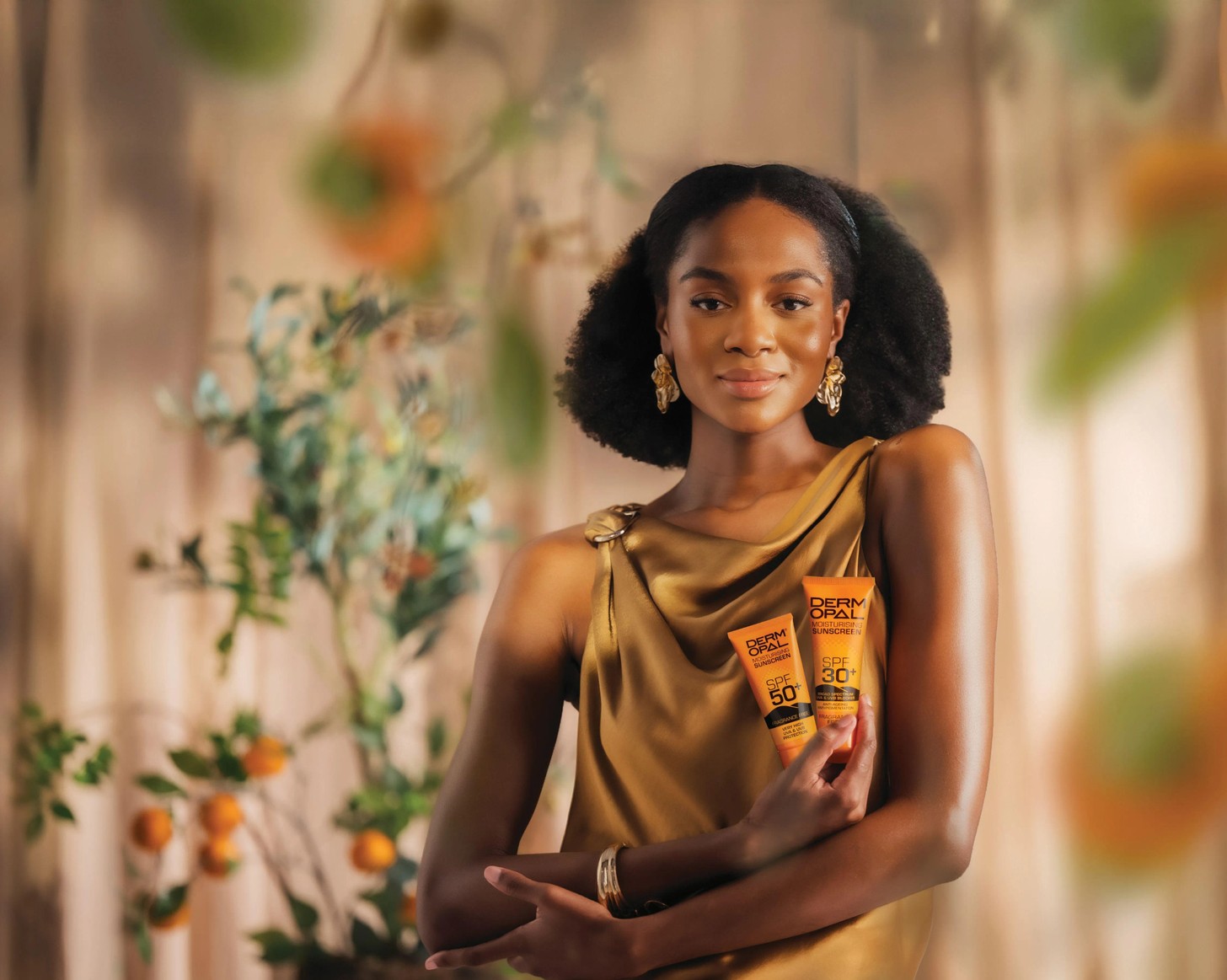
Heritage Month gives us an opportunity to look at that diversity through a different lens. We talk about celebrating our cultures, languages and traditions, but representation matters in beauty, too. Understanding the science behind melanin and the way different skin tones can respond to inflammation can help make skincare advice more relevant to the people actually using it.
“South Africans have an incredible range of skin tones, yet for a long time many people with skin of colour have had to navigate skincare advice that did not necessarily speak to their own concerns or experiences,” says dermatologist and Dermopal® creator Dr Leslie Nteta. “If we want people to make informed decisions about their skin, the information we give them needs to reflect that diversity.”
One of the most common concerns is pigmentation. In darker skin tones, melanocytes can be particularly reactive to inflammation or injury. That means something as ordinary as a breakout or bout of dermatitis can leave behind excess melanin, with the resulting dark mark sometimes lingering long after the original irritation has disappeared.
It’s one reason why blindly following skincare trends doesn't always make sense. A product that works beautifully for one person may not address another person's concerns, while a viral ingredient can't account for an individual's skin history or how their skin responds to inflammation. Understanding why something is happening can be much more useful than simply adding another trending product to the routine.
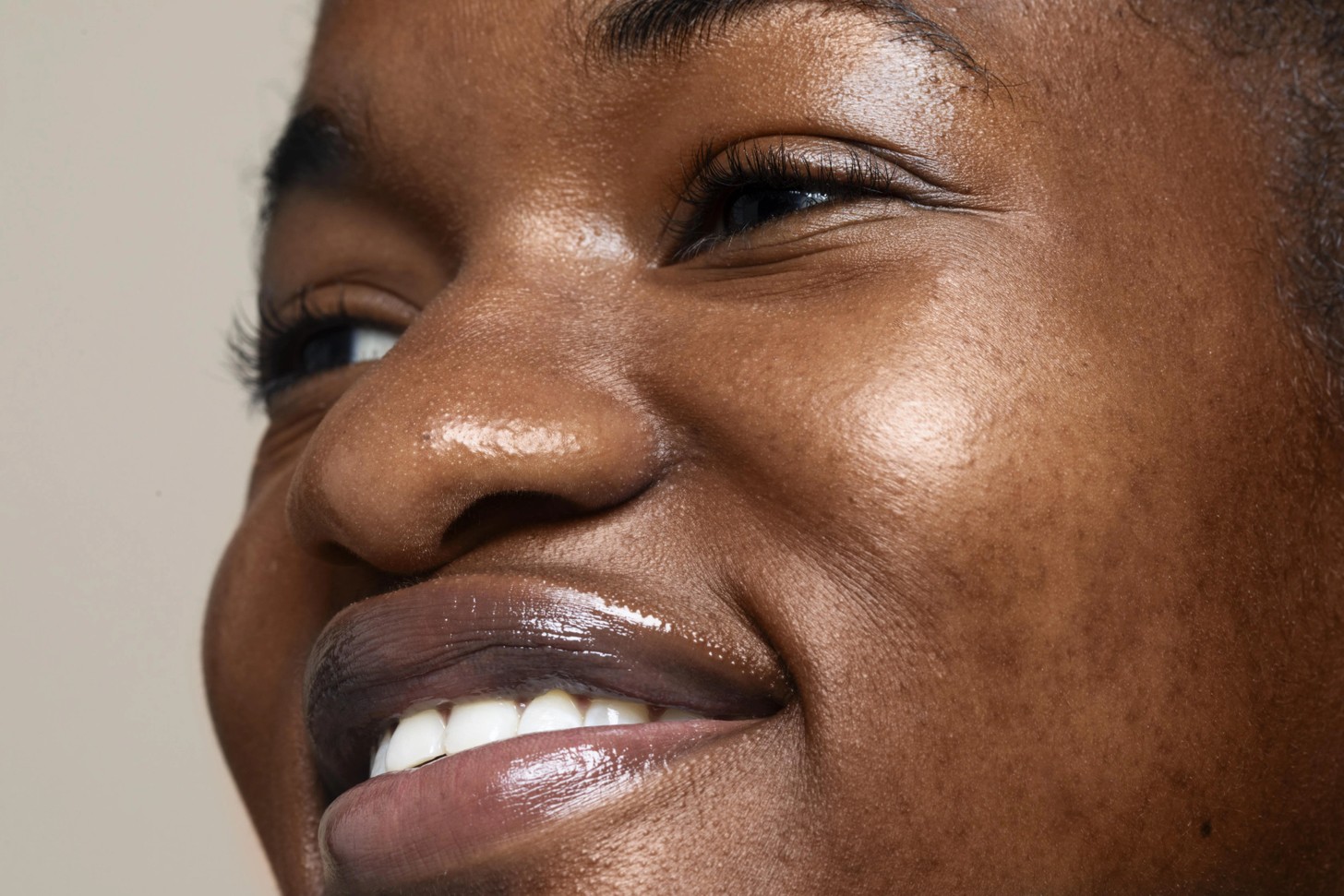
It also changes the way we think about representation. Seeing a wider range of complexions in beauty advertising is important, but so is making sure the information behind the products reflects that same range. If certain skin tones are consistently treated as the default, everyone else is left trying to work out how the advice applies to them.
South Africa's diversity gives us a particularly good reason to have a broader conversation about skin. There isn't one "South African skin type", and there isn't one universal approach to skincare. The more we understand the differences in how skin can respond, the easier it becomes to make choices based on what our own skin actually needs.
That idea sits at the centre of Dr Nteta's Dermopal®, a South African skincare range created with skin of colour in mind. But the bigger conversation extends beyond one product. As Dr Nteta puts it: “When people understand their skin, they can make choices based on what it actually needs rather than what they have been told it should look like.”
And perhaps that's one of the more useful ways to think about beauty during Heritage Month: representation isn't only about seeing yourself reflected. It's also about having the information you need to understand and care for the skin you're in.
Recent stories by:
Lethiwe Nhlangothi

9 Spring beauty essentials GLAMOUR's Beauty Content producer swears by

Corporate jargon: 9 Workplace phrases and what they mean

What to pack for a Heritage Day road trip

Where to eat during Restaurant Week South Africa 2026


