
What began as Liz Letsoalo’s desire to create something of her own has grown into a brand centred on science, inclusivity and a distinctly African standard of excellence.
Before Masodi became a growing South African beauty brand, Liz Letsoalo was an industrial engineer with a corporate career, an unsuccessful first venture and a growing desire to build something that felt entirely her own. “I have always been an enthusiastic girl with a big voice,” she says, describing herself as someone driven by the need to live life on her own terms, with “a life full of options as well as a deep sense of purpose.”

After studying Industrial Engineering, Letsoalo went on to work for three multinational companies. Somewhere in between, she had her first taste of entrepreneurship, launching a mobile hair salon with friends. It didn’t work out, but the experience didn’t put her off building something of her own. By the time she was in her third corporate role, the idea for Masodi had taken shape.
Within a year of starting the business, its early potential was enough for Letsoalo to leave her job and focus on it full-time. Her motivation was bigger than simply putting another haircare product on the shelf. She saw a gap for products that were inclusive, effective and more considerate of Black consumers, who she felt remained underserved by the wider beauty industry.
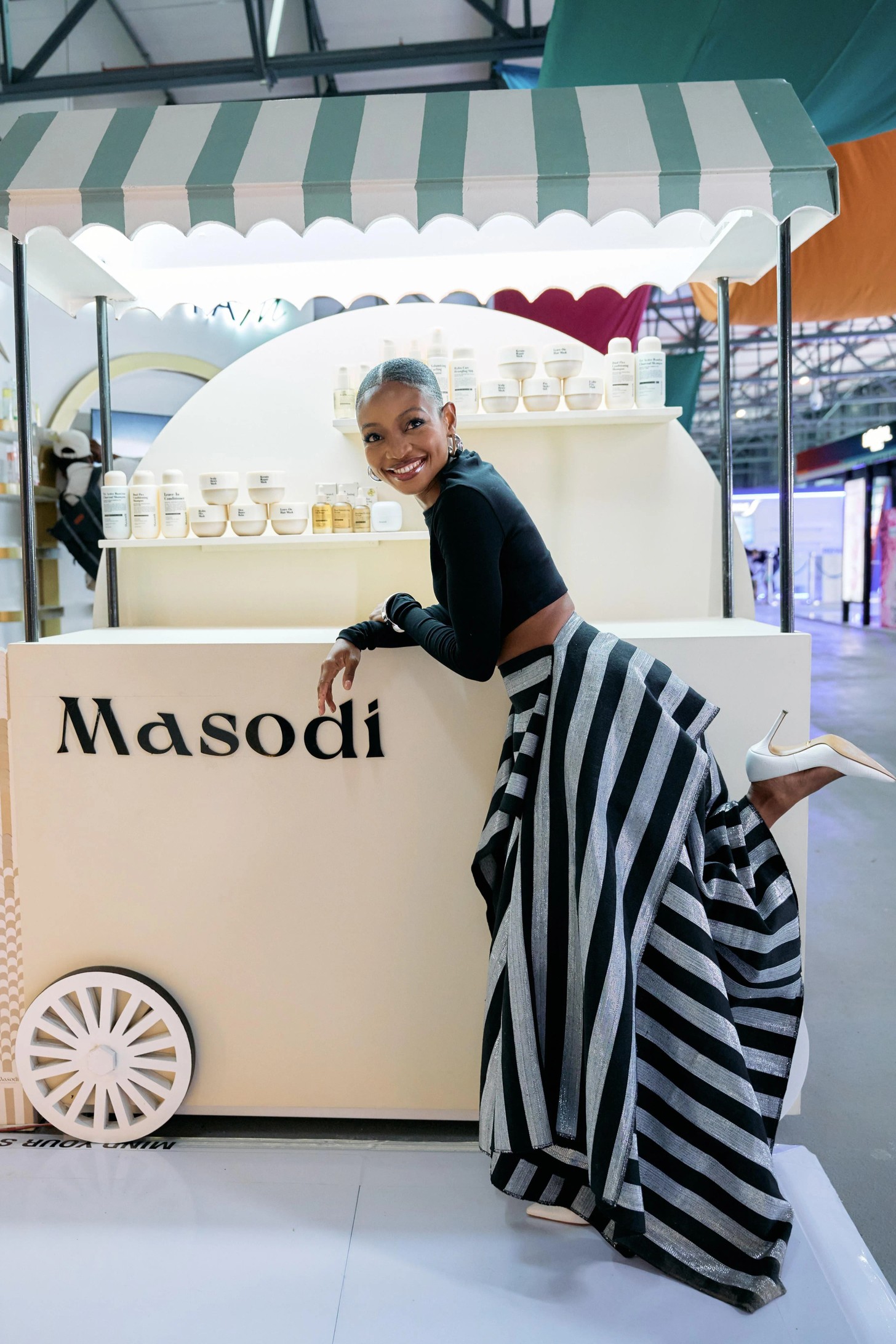
But there was also something deeply personal about the act of building. Letsoalo recalls “the sense of freedom I experienced conceptualising, iterating and creating something tangible”, adding that the process was deeply fulfilling for her. “Masodi is my mother’s name,” Letsoalo explains, a name her mother inherited from her paternal aunt and one that belongs to the Moagi clan. Choosing it was both personal and symbolic. “My mother has been my greatest inspiration and role-model all my life,” she says, while the name also allowed her to pay homage to women and mothers more broadly.
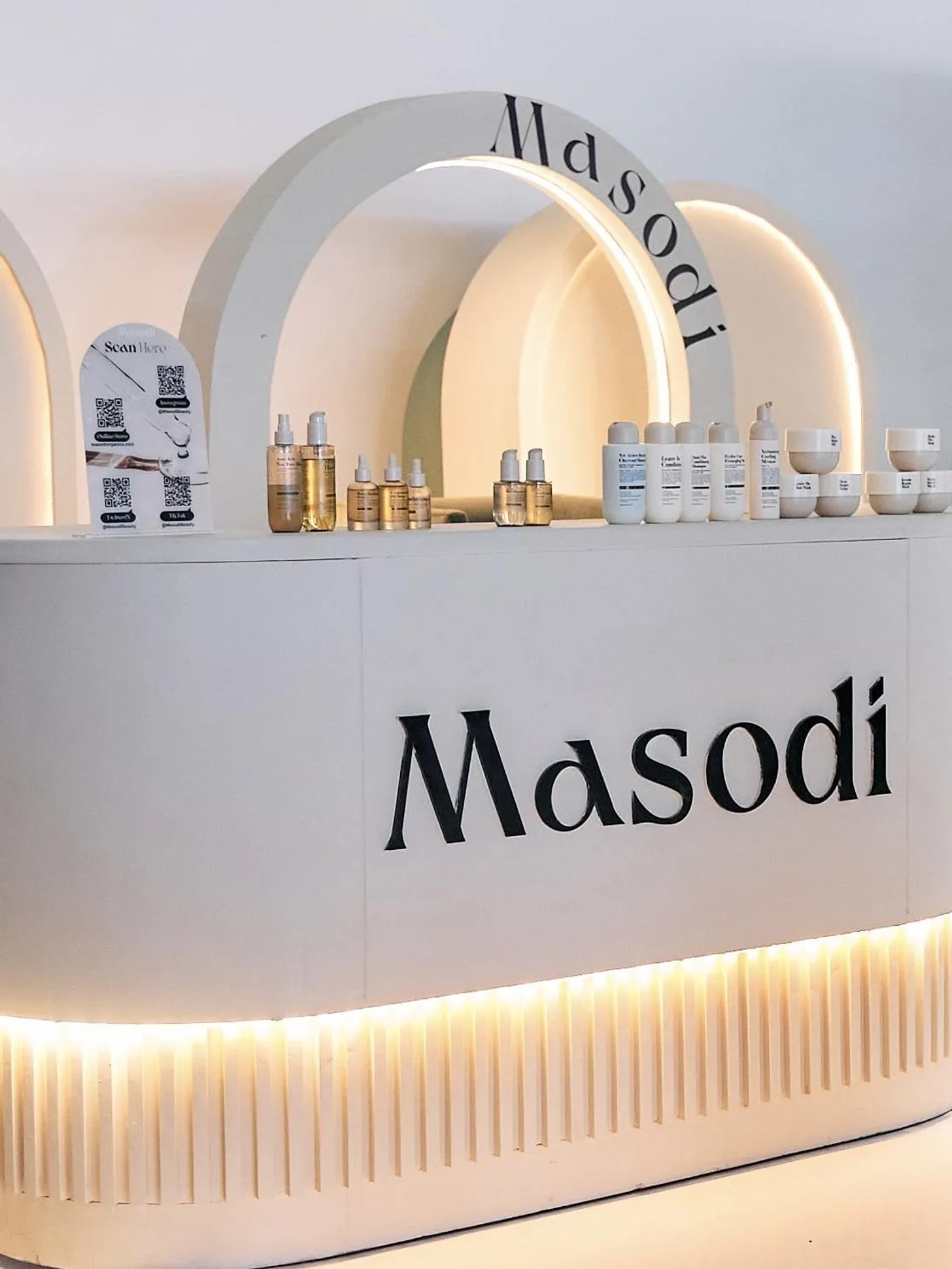
From the beginning, Letsoalo wanted Masodi to go far beyond beautiful packaging and good marketing. Her vision was for it to become “a world-class solution to real-life hair and skin problems”, while still offering the indulgence that makes beauty routines feel special. More importantly, she wanted people with genuine hair and skin concerns to trust that the products had a record of delivering results. That vision arrived at a particularly interesting moment in beauty. When Masodi launched in 2018, conversations around natural hair, representation and the treatment of Black consumers by the wider beauty industry were becoming impossible to ignore.
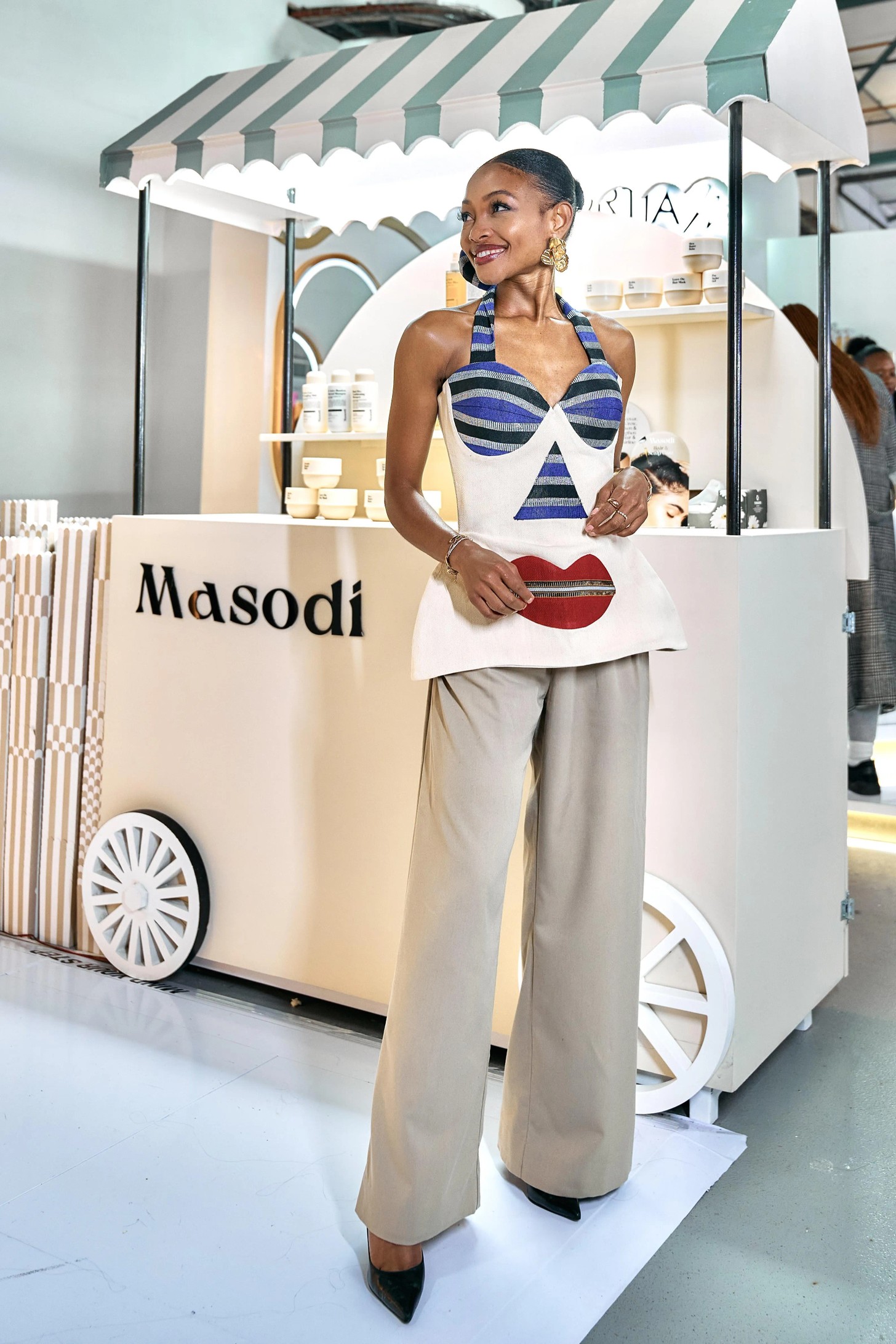
Letsoalo saw an opportunity to build a brand that centred Black women without limiting itself to them. “For a brand carrying a black woman’s name, I knew from the onset that the representation of black women...was important,” she says. But inclusivity, to her, was never about creating a brand exclusively for one group. Instead, she wanted to challenge the idea that an elevated product carrying a Black woman’s name or face could not feel universal.
“I wanted people to know that an elevated product, experience or offering can wear a black woman’s name and face, and still resonate with everyone else,” she says. It’s an approach shaped partly by her own experience. Letsoalo grew up using products fronted by women from other racial groups without thinking twice about whether those products were meant for her. She wants Black women to be afforded that same universality, with their names and faces seen as part of the beauty mainstream rather than an exception to it.
Hair, however, has always been personal for Letsoalo in ways that extend beyond business. During her primary school years, pupils weren’t allowed to keep their hair, leaving school holidays as one of the few opportunities she had to experiment with it. “That is the one side of my hair story: restrictive, monitored and almost non-existent,” she recalls. Once she had the freedom to experiment, she discovered how creative she could be. Braids, pixies, weaves, relaxed hair and Afros have all been part of the rotation. Today, hair has become closely tied to how she wants to feel in a particular moment.
“If I have a big business meeting I want my hair to elevate me into that position of power,” she explains. After a difficult period, refreshing and styling her hair is often one of the first things she does. “So much of how I show up is tied to my hair.” That understanding of the emotional relationship people can have with hair runs through Masodi’s approach to product development.
Letsoalo wants women to feel as though their hair and scalp concerns are “in safe hands with Masodi”, but she doesn’t believe effectiveness and indulgence need to exist separately. Fragrance, texture, packaging and the overall look and feel of the products are all intended to elevate the experience. Eight years on, experimentation remains central to the brand. “We call ourselves an experimental and science-backed brand,” Letsoalo
says. “At any given point, Masodi is trying something new, weird, unusual or creative in the lab.” Product samples are continually being trialled, while data and consumer insights help the team understand both the hair and scalp concerns people are dealing with now and what they may need in the years ahead. That doesn’t mean changing something simply for the sake of it. The Leave-In Conditioner and Bamboo Charcoal Shampoo, for example, have been staples from the beginning.
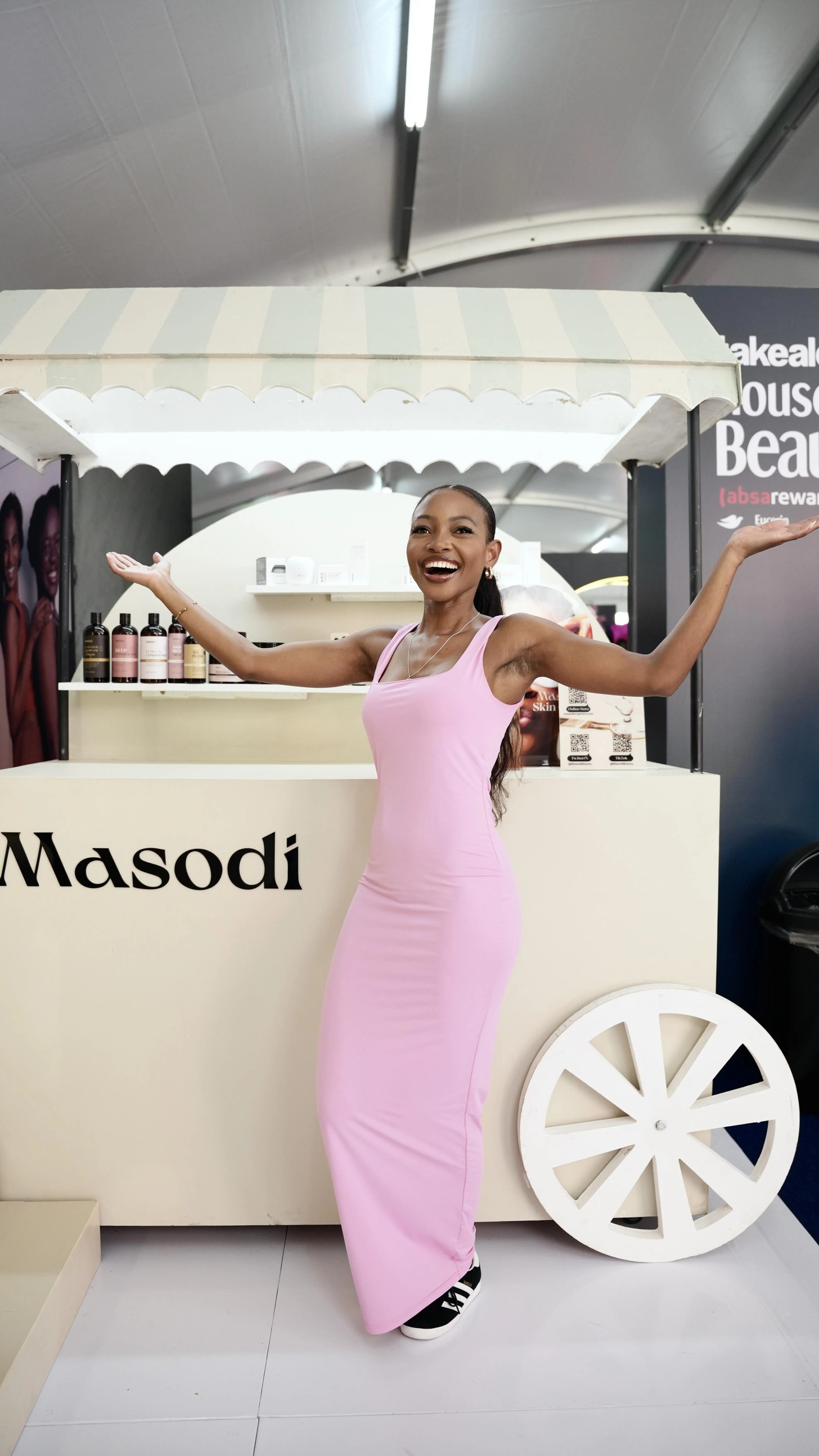
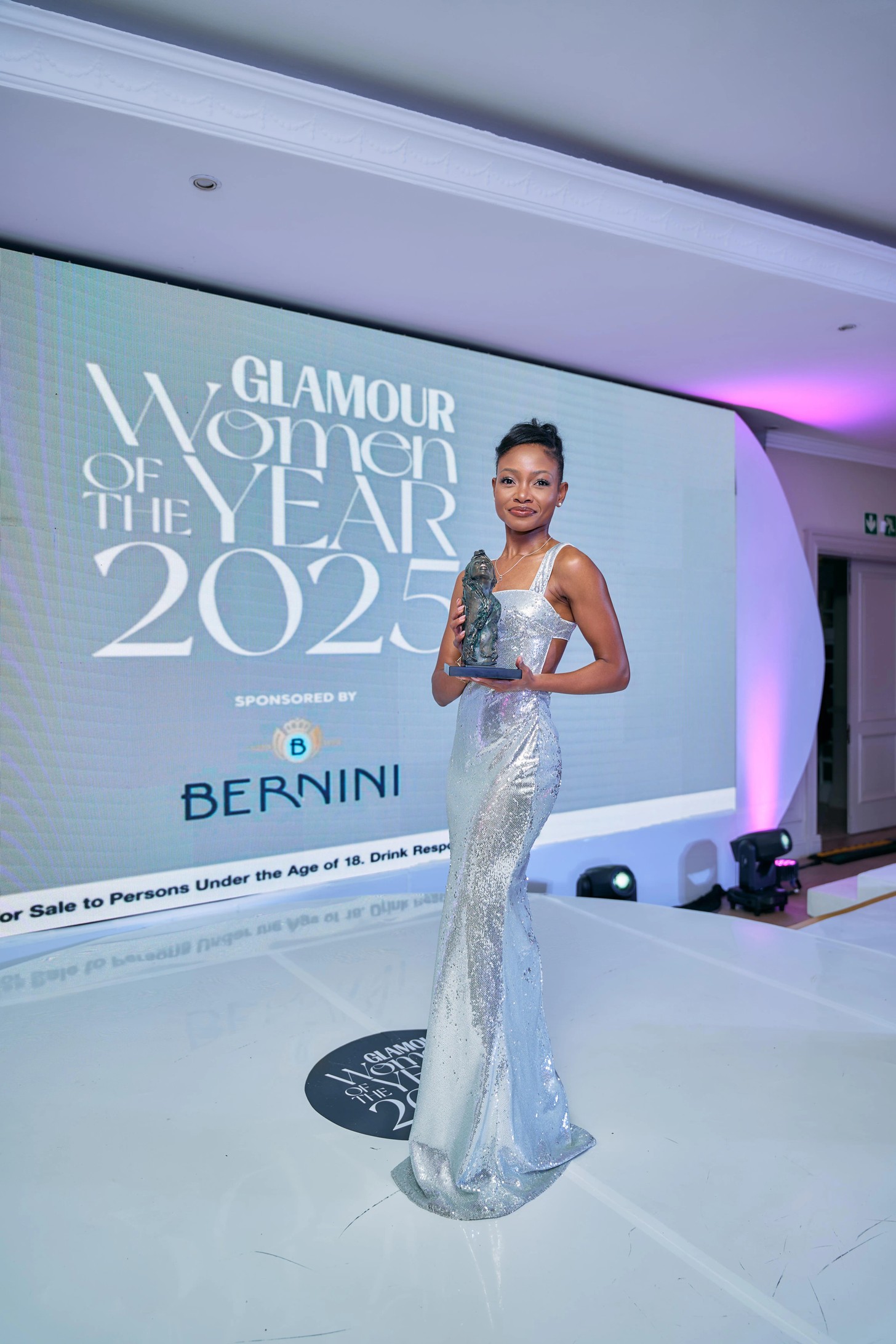
According to Letsoalo, they have “proven to work best when left alone.” Perhaps no product captures that experimental spirit better than the Hairline Fortifying Serum and Root Stimulating Serum set. Designed to address hair loss and support growth, the duo gained attention after before-and-after reviews began circulating online, particularly from customers using the products on receding hairlines. The Hairline Fortifying Serum later received a GLAMOUR Gold Beauty Award. For Letsoalo, its success also validated the kind of risk-taking she wanted Masodi to represent.
“Serums were not commonly found as a format for hair products,” she says. “We took the risk and it paid off.” And while Masodi continues to grow, her ambitions stretch well beyond creating another successful local beauty company. Letsoalo wants the brand to contribute to a much larger shift in how African beauty businesses are perceived, both at home and internationally.
“I hope Masodi leaves a legacy of excellence and of a bar so high that consumers refuse anything less going forward,” she says. Beyond that, she hopes the brand can play a part in reshaping perceptions of African beauty and innovation globally. “I hope we are among those who re-shape the story of Africa,” she says, pointing to “the luxury, science, authentic beauty and intelligence that has always been on the continent.”
Recent stories by:
Lethiwe Nhlangothi

Inside the GLAMOUR Hair & Beauty Masterclass 2026

LUVME Hair’s wig and hair extension expert answers your biggest wig questions

Hair Cycling: How to build a smarter wash-day routine without over-treating your hair

The Victoria's Secret Fashion Show moments that still have the internet talking


