
What started as a wave of lockdown boredom during the Covid-19 pandemic soon became something much bigger for Silki Skincare Founder and CEO, Mena Kooger.
After immersing herself in skincare content, she quickly realised she was using products without fully understanding what they contained or how they benefited her skin. That curiosity sparked a deep dive into skincare science, formulations and ingredient education—ultimately laying the foundation for what would become one of South Africa’s fastest-growing homegrown beauty brands.

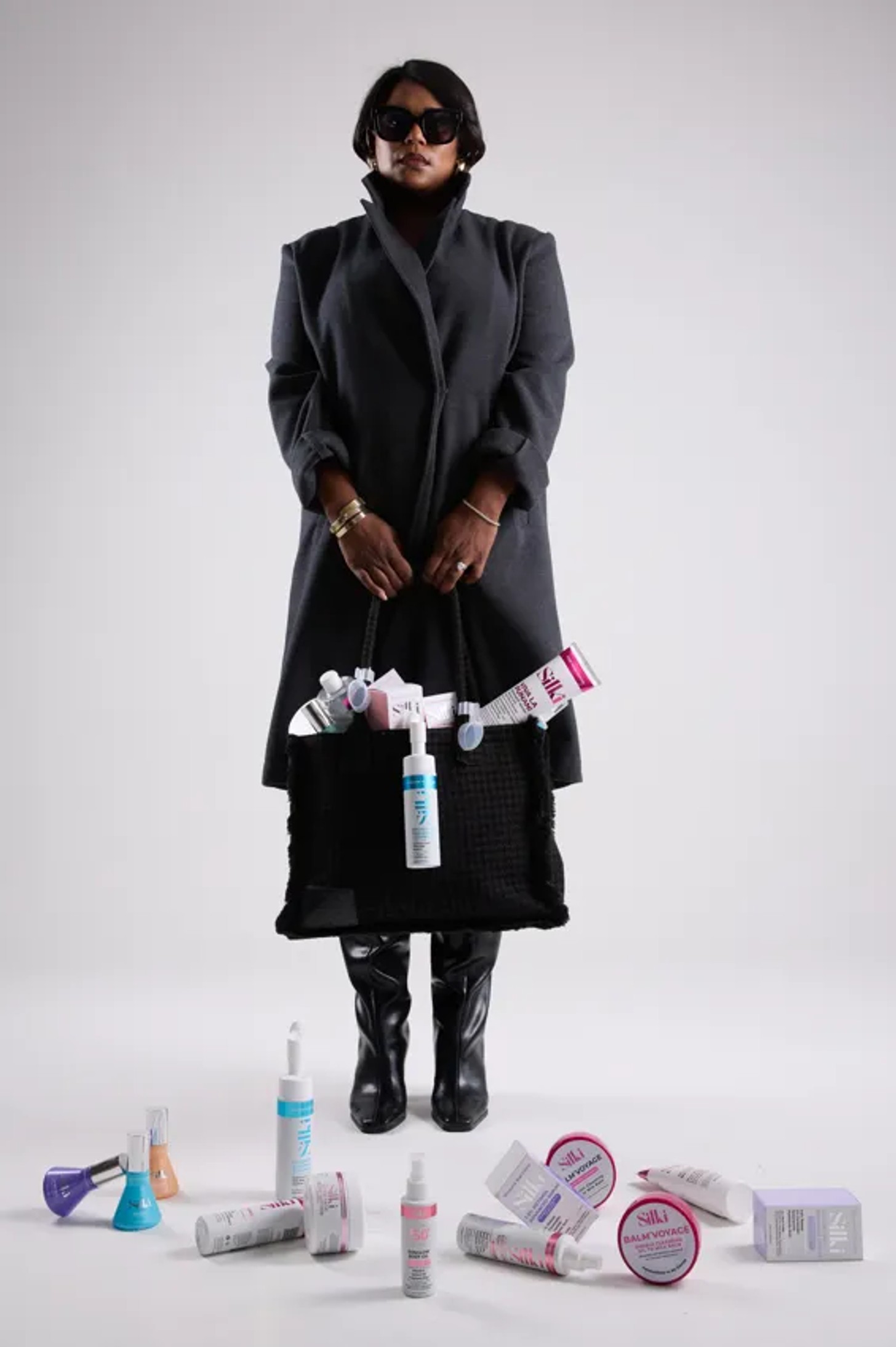
Built on the belief that effective skincare shouldn’t come with an exorbitant price tag, Silki Skincare has earned a loyal following by making high-quality, thoughtfully formulated products more accessible.
This Women’s Month, we sat down with Mena to talk about turning curiosity into a thriving business, building a beauty brand with purpose, championing authentic representation and why staying connected to her community continues to shape every step of Silki’s journey.
GLAMOUR: What gap in the market inspired the launch of Silki?
Mena Kooger: The idea for Silki came while I was learning more about skincare and trying to figure out what worked best for my own skin. That’s when the entrepreneurial bug kicked in. I found myself asking questions like, “How much does this cost to manufacture?” and “What goes into the packaging?” Before I knew it, I’d gone down a rabbit hole—researching ingredients, speaking to suppliers, connecting with manufacturers and breaking down what it really costs to create skincare products.
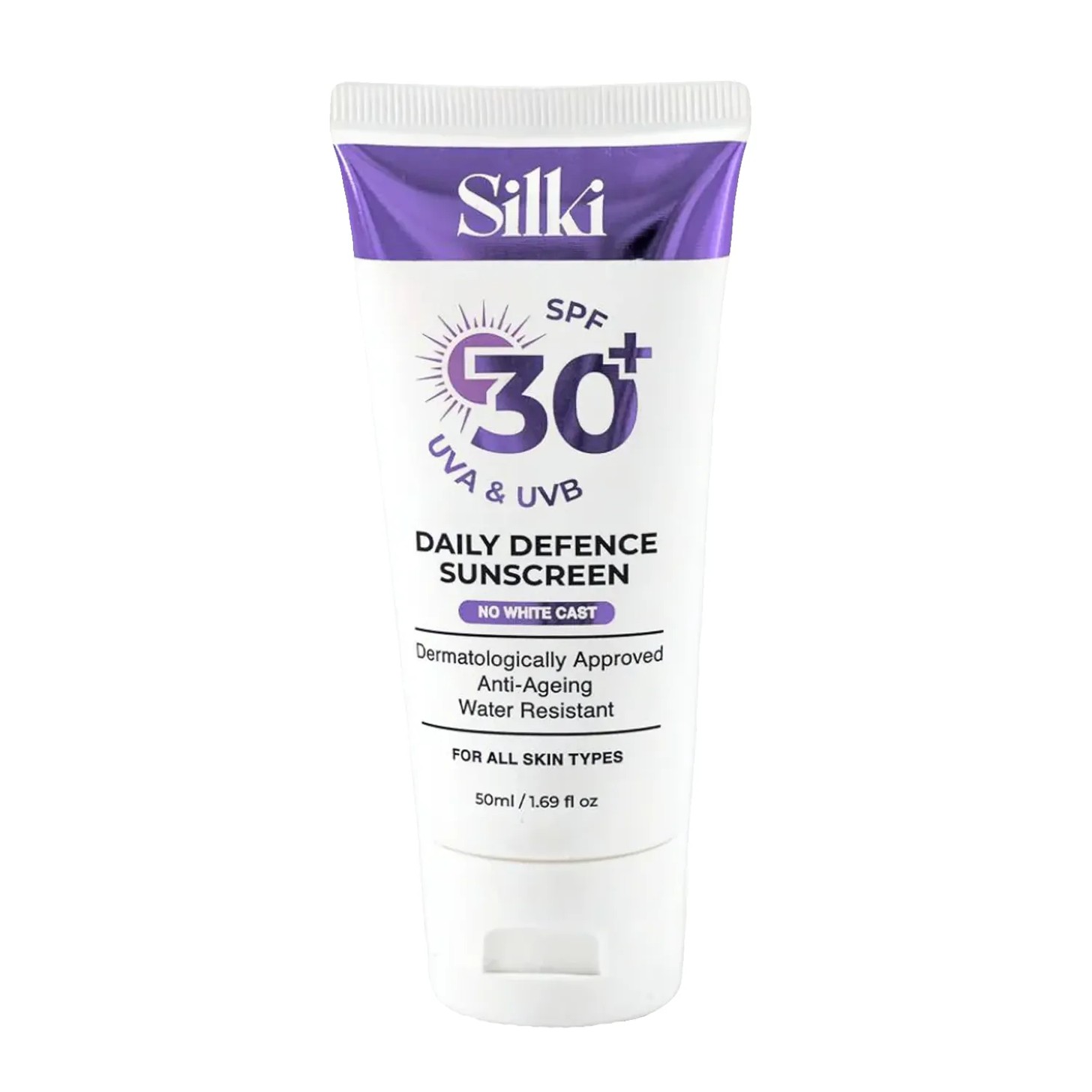
What surprised me most was how expensive many basic skincare products were. I realised effective skincare doesn’t need a luxury price tag. A basic hyaluronic acid serum, for example, doesn’t have to cost R400 to deliver results. Consumers often assume a higher price means better performance, when in reality they’re often paying for the markup. That’s where I saw the opportunity—to create high-quality, thoughtfully formulated skincare without the premium price.
G: Building a beauty brand in South Africa comes with its own unique challenges and opportunities. What significant lessons have you learned along the way as a woman entrepreneur?
MK: Building two businesses has taught me that resilience is one of the most important skills an entrepreneur can have. Challenges are inevitable, and there are days when giving up feels like the easier option. Resilience is what keeps you moving forward, even when the outcome isn’t guaranteed. I’ve also learnt that growth never happens inside your comfort zone. Whether it was negotiating with manufacturers, leading a team, speaking publicly or putting my brand out into the world, every milestone required me to embrace discomfort. Each time you choose courage over comfort, your confidence grows—and so does your capacity to take on even bigger challenges.
G: Why is it important for local consumers to see themselves reflected in the brands they support?
MK: People naturally connect with brands they can relate to. When I see someone who looks like me, speaks like me and has grown up in a similar environment, I feel like I’ve found a kindred spirit who understands my lived experiences. That’s why representation matters. When consumers see themselves reflected in a brand, it builds trust, creates a sense of authenticity and encourages open conversations about what they truly want and need.
G: What role do you believe local beauty brands play in shaping beauty standards, trends and conversations?
MK: In today’s digital world, we're constantly exposed to heavily edited images and unrealistic beauty standards. As a beauty brand, I believe we have a responsibility to remind people that beauty isn’t one-size-fits-all. Skin has texture. It changes over time. We age, and that’s something to embrace rather than hide. That’s the beauty of beauty.
G: Silki has built a loyal community over the years. What do you think resonates most with your customers?
MK: I think what resonates most is our honesty. My team and I show up on social media without heavy filters or makeup, and we explain skincare in a way that’s simple and accessible. We also genuinely listen to our community. Whether it’s praise or constructive criticism, our customers know we’ll take their feedback on board—and I think that’s what has built such a strong sense of trust.
G: Every founder has a favourite. Which Silki product(s) hold a special place in your heart and why?
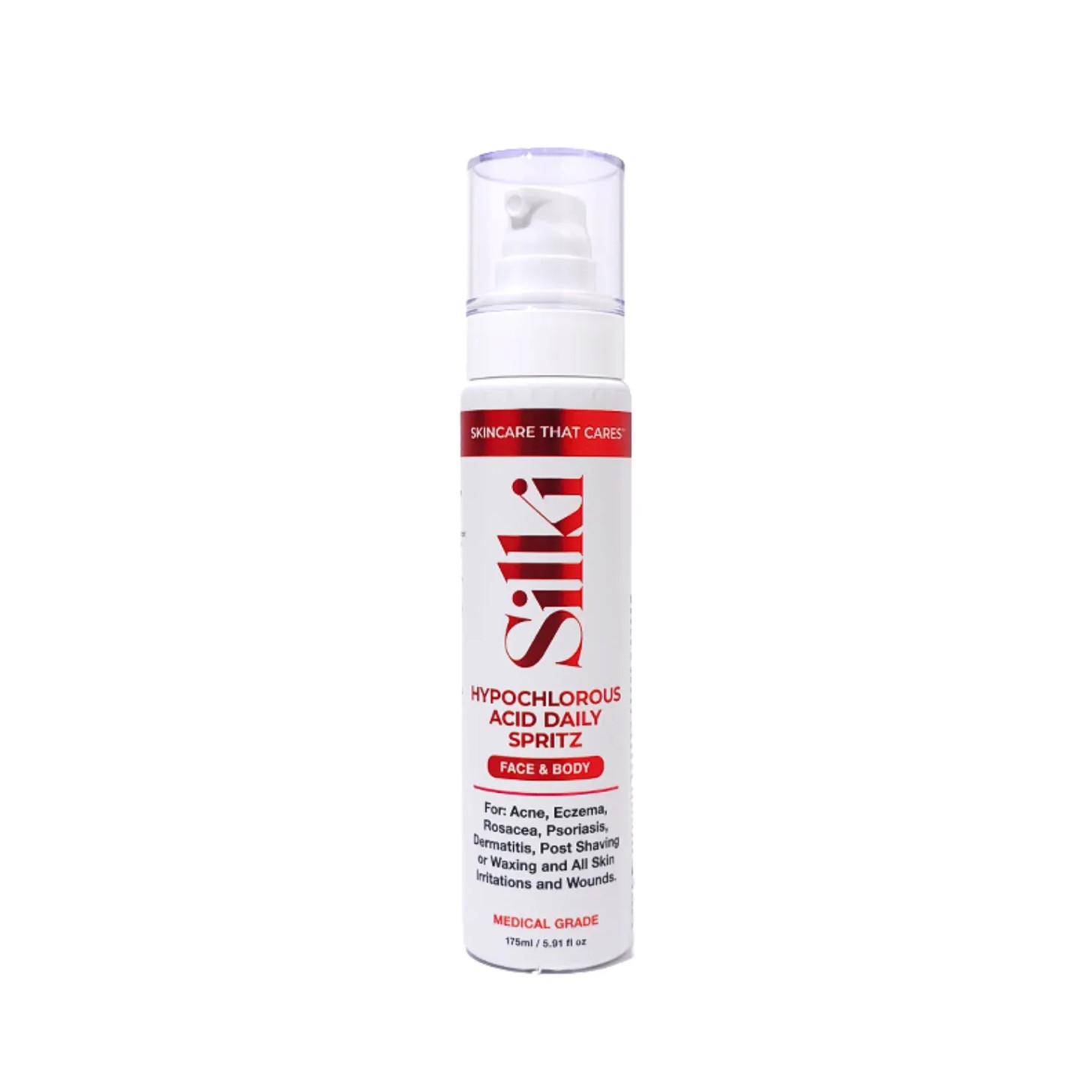
MK: Every product holds a special place in my heart. My favourite often depends on the day, the season and what my skin needs. Right now, I’m especially excited about our new Encapsulated Retinol. It’s taken us two years to develop, hasn’t launched yet and I genuinely believe it’s going to be a game changer. One product I reach for every single day, though, is our Hypochlorous Acid Daily Spritz. It’s a staple not just for me, but for my husband, children and even our pets. Since launching it, we’ve received countless messages from customers sharing how it’s transformed their skin. Knowing that something we created has had such a positive impact on people’s confidence is incredibly rewarding.
G: How much does customer feedback influence the products you create?
MK: Customer feedback influences almost everything we do. Some of our best products have come directly from conversations with our community. From product ideas and ingredients to packaging and campaign concepts, our customers play an active role in shaping the brand. Their input helps us create products that genuinely meet their needs.
G: Having your own production facility is a significant achievement for a beauty brand. What inspired you to establish Silki Lab, and how has it shaped Silki’s product development and production processes?
MK: Having our own in-house lab has completely transformed the way we develop products. We are now fully responsible for our research and development with our senior cosmetic chemist, who has over 30 years in the industry. It allows us to actually take consumer feedback, look at global trends and stay ahead of the market.
G: How does the in-store Silki Skin Analysis help customers better understand their skincare needs?
MK: One of the biggest challenges in skincare is knowing where to start. The Silki Skin Analysis removes much of the guesswork by providing personalised insights into each customer’s skin. Using advanced imaging technology, it identifies concerns that aren’t always visible to the naked eye, including sun damage, dehydration, pigmentation and blue light exposure. Our trained somatologists then guide customers through their results, helping them better understand their skin and build a routine that’s tailored to their needs.
G: Have there been any surprising insights you’ve gained about consumers through the Skin Analysis experience?
MK: One of the biggest surprises has been how often customers are shocked by what the analysis reveals. Someone may not realise they have underlying sun damage or pigmentation because it isn’t yet visible on the surface. Seeing those concerns beneath the skin makes the advice far more tangible. Instead of simply being told to wear SPF, they can see exactly why it matters.
G: What’s next for Silki? Are there any upcoming launches or developments you can tease for our readers?
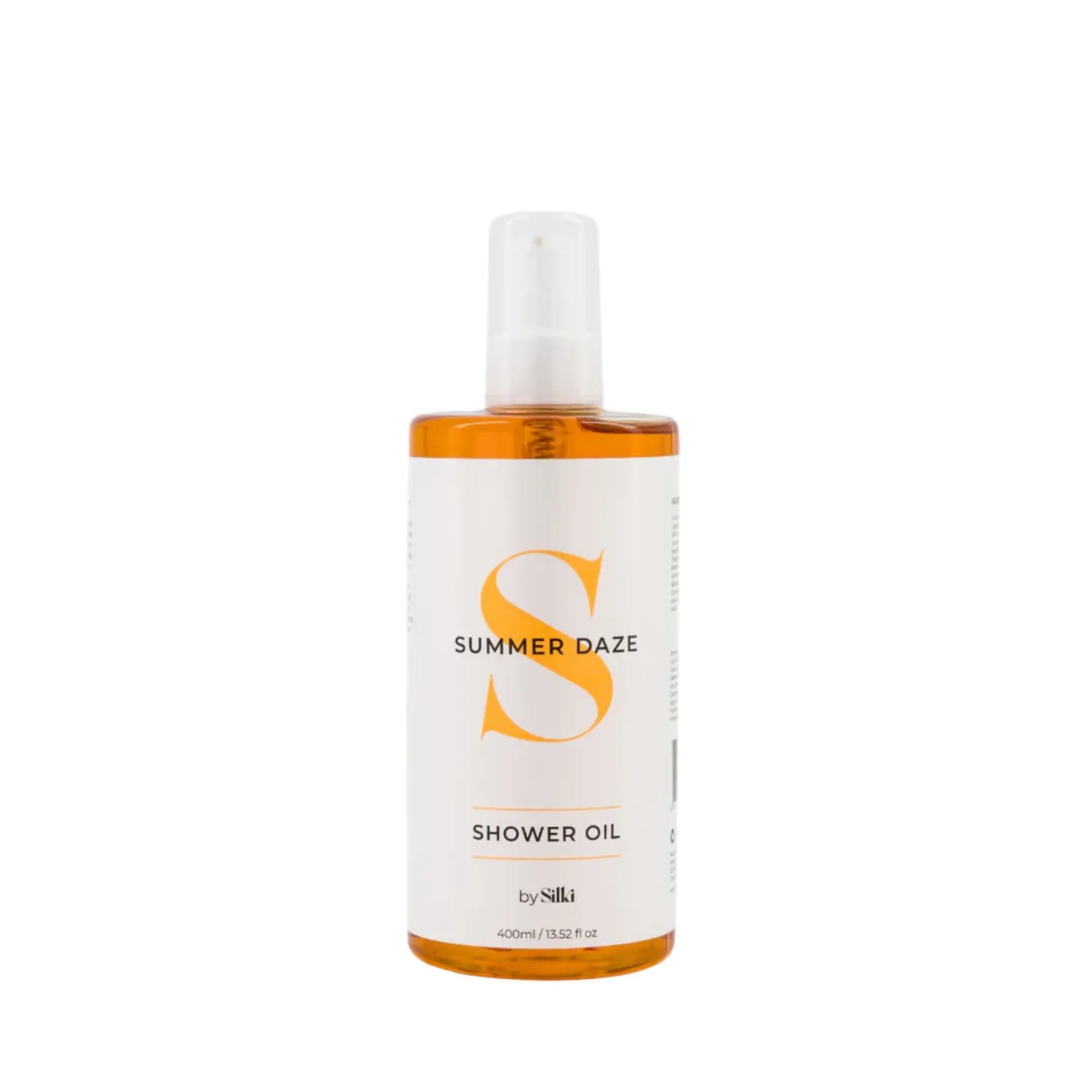
MK: We’re launching several exciting products over the next year, including our SPF 50+, while also expanding into colour cosmetics. Beyond Silki, we're introducing two new brands: Kynd, designed for teens and tweens, and Alpha, a skincare range tailored for men. We’re also investing heavily in biotech skincare by incorporating ingredients such as PDRN, exosomes and stem cells into our formulations. There’s a lot happening—and this is only the beginning.
G: As a woman founder, what advice would you give to women who have a business idea but are afraid to take the first step?
MK: Trust yourself enough to take the first step. There will always be reasons to wait—fear, uncertainty, inexperience or the feeling that you’re not ready. The truth is, most successful entrepreneurs started before they felt fully prepared. Start where you are, use what you have and take it one step at a time. Your confidence and experience will grow along the way, but only if you’re willing to begin. The first step is often the hardest, but it can also be the one that changes everything.
Recent stories by:
Lethiwe Nhlangothi

BiomeRenew’s Dr Ashley Naidoo on the skin microbiome and better skincare

The October gig guide you need to send to the group chat

These 5 TV characters are still influencing how we dress

A trip down memory lane to GLAMOUR's 2025 Hair & Beauty Masterclass


