
South Korea’s skincare philosophy is finding new applications in textured-hair care, bringing scalp health into a conversation that has long focused on the hair itself. We spoke to Bephor co-founder Nolu Mkhonza about the crossover, the realities of caring for a braided scalp and why the future of beauty innovation may lie in understanding consumers better.
K-beauty has become synonymous with carefully considered skincare routines, innovative formulations and a focus on maintaining the skin barrier. But what happens when that philosophy moves beyond the face and into an area of beauty that has historically received far less specialised attention? In South Africa, an interesting crossover is emerging between Korean skincare innovation and textured-hair care, particularly when it comes to looking after the scalp beneath braids, twists and other protective styles.

Hours can be spent in a salon, with time and money invested in a look designed to last several weeks. Yet the scalp underneath can become an afterthought, particularly when cleansing it means risking frizz or disturbing the style. Heavy oils and styling products can leave residue behind, while conventional cleansing methods may not be practical between wash days. For many women, finding a way to manage dryness, itchiness and buildup without compromising their hairstyle remains a challenge.
For beauty entrepreneur Nolu Mkhonza, these everyday frustrations became the starting point for a conversation about what textured hair consumers need from the beauty industry. Alongside Korean beauty expert June Lim, she co-founded Bephor, a South African and Korean beauty collaboration exploring how skincare principles and formulation expertise could be applied to scalp care for textured hair.
“What inspired us was a very simple idea: if we are willing to invest so much care, science and innovation into the skin on our faces, why shouldn’t we do the same for OUR scalp?” she says. For people with Type 4 hair who wear protective styles, the need is particularly apparent. Mkhonza says the available solutions have often fallen between heavy products that can contribute to buildup and harsher cleansers that may leave the scalp feeling stripped. The opportunity, she explains, was to find a more balanced approach, one that could cleanse, hydrate and soothe without working against the needs of textured hair.
A crossover of beauty cultures
K-beauty’s relevance goes beyond ingredients. Its emphasis on gentle cleansing, hydration and consistent care offers a different way to think about scalp health, but weaving that philosophy to protective styling requires an understanding of how people actually wear and maintain their hair.
For Mkhonza, the crossover was never about simply introducing Korean beauty products to a South African audience. It was about bringing together different forms of expertise to address a specific need.
“More importantly, we weren’t interested in simply transferring Korean technology into a new category. We wanted to combine the sophistication of K-beauty with the real experiences of textured-hair consumers,” she says. Her own contribution grew from a lifelong interest in beauty, self-care and finding products that genuinely addressed her needs. Through conversations with women who wear braids, twists, wigs and other protective styles, she became increasingly aware of the difficulties involved in maintaining a comfortable scalp without disrupting a hairstyle.
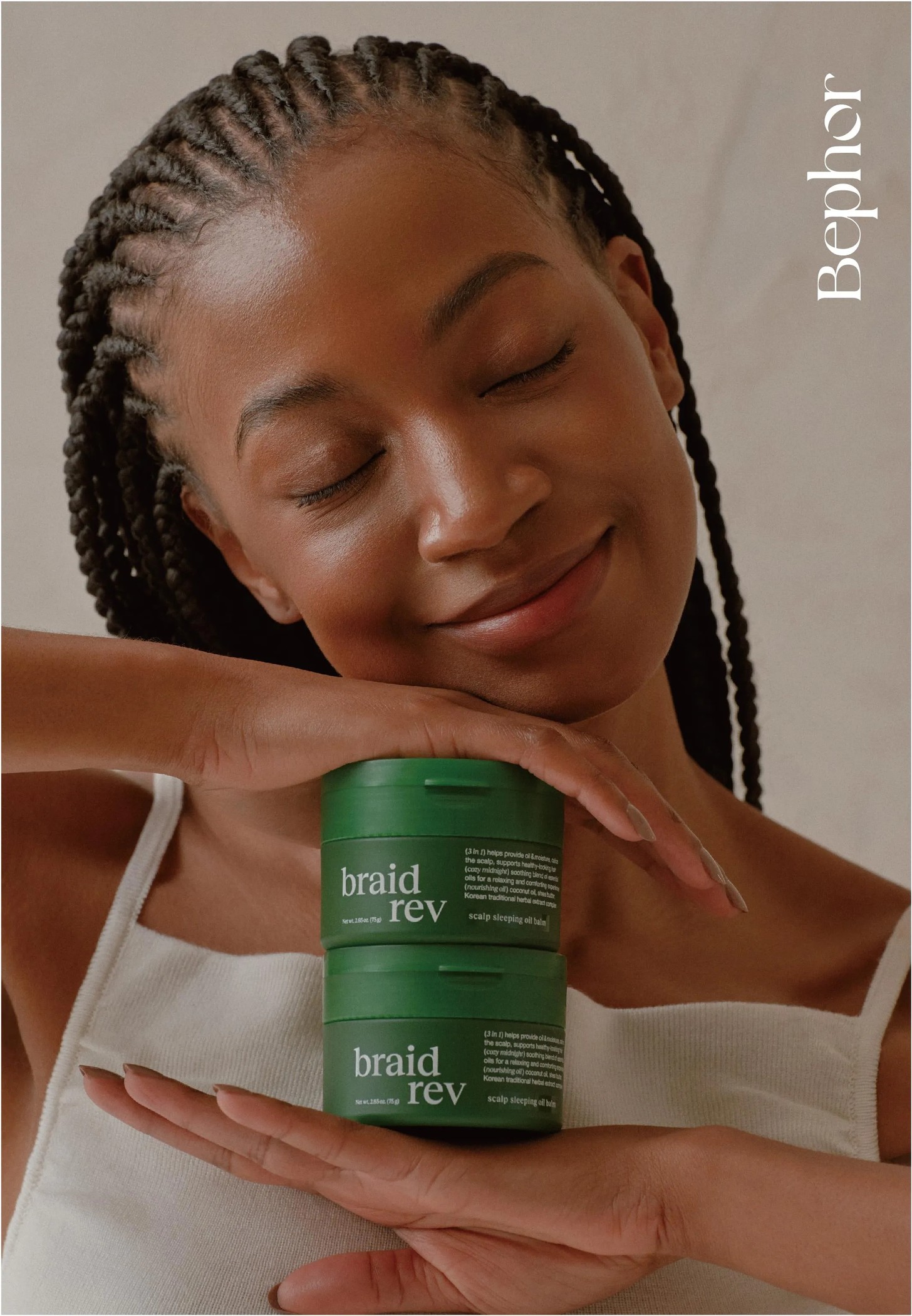
“I wasn’t working in the beauty industry; I was simply a consumer who was passionate about skincare and wellness and constantly searching for products that truly understood our needs,” she says. Lim brought the formulation expertise needed to translate those observations into products.
Drawing on his experience in Korean beauty innovation, the collaboration explored how ingredients, textures and application methods could be adapted to the specific challenges of textured-hair care.
“What emerged was far more than a fusion of African and Korean beauty. It was a true collaboration built on listening, respect and shared purpose,” Mkhonza says.
Why the scalp is often overlooked
Protective styles can help reduce daily hair manipulation, but maintaining them requires a balance between caring for the hair and looking after the scalp beneath it. For generations, the focus has often been on keeping braids, twists and cornrows neat, extending their longevity and protecting the hair itself. Meanwhile, scalp care has tended to become a priority only when discomfort sets in.
“I think scalp care has been overlooked because, for generations, protective styles were primarily viewed through the lens of beauty and convenience,” Mkhonza says. “In many ways, it became an ‘out of sight, out of mind’ part of the routine.” There are practical reasons for this. Protective styles can require a considerable investment, and people may hesitate to wash them if they fear frizz, loosening or a shorter lifespan for the style. The result can be a reluctance to cleanse the scalp, even when it needs attention.
Mkhonza believes the industry has a role to play in changing this by developing products that account for the realities of protective styling from the outset. The aim is to make scalp care easier to incorporate into an existing routine, rather than something that requires sacrificing the hairstyle.
Skincare reimagined for braids
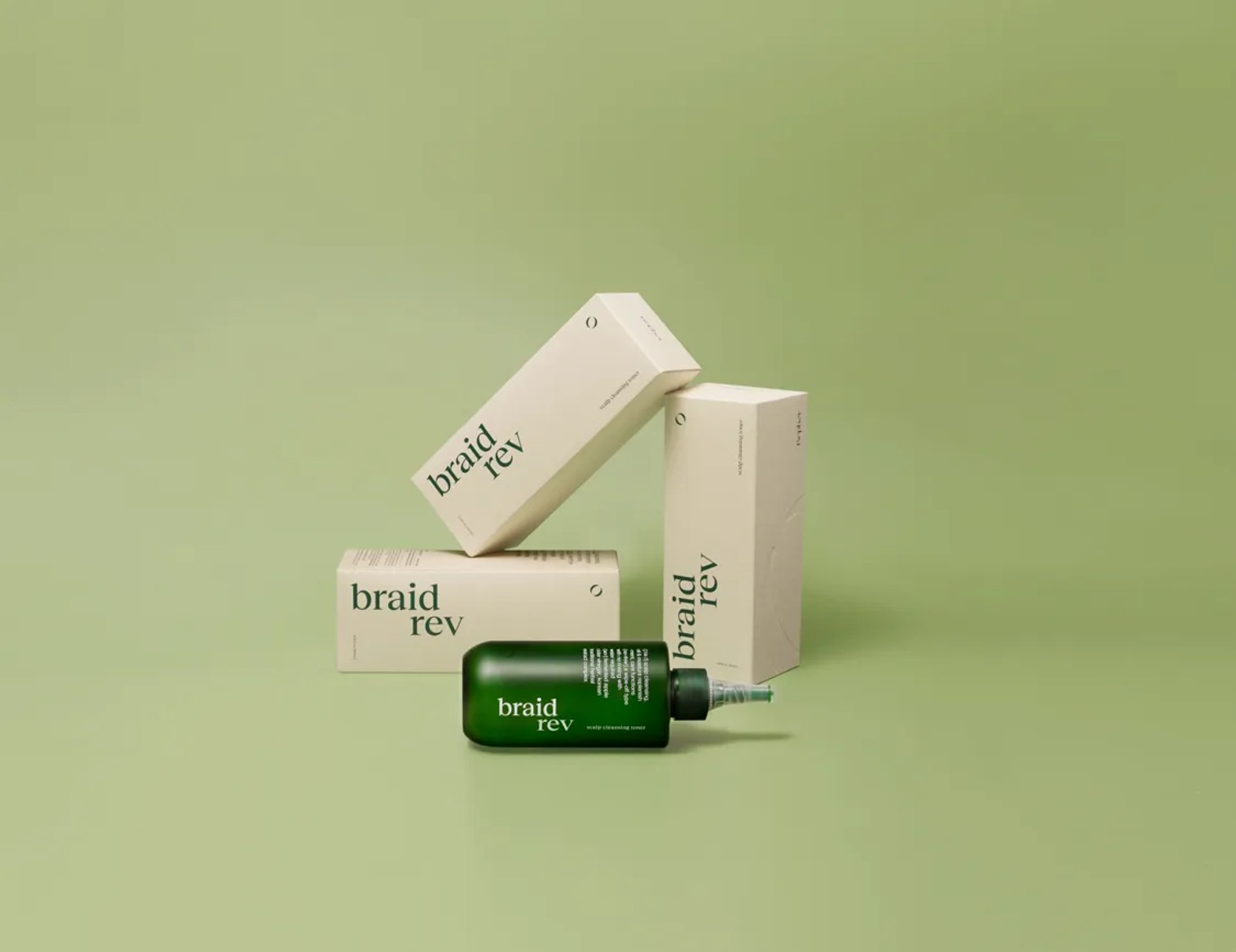
This approach is reflected in Bephor’s Braid Rev collection, which includes a rinse-free scalp cleansing toner, presoaked cleansing pads and an overnight balm-to-oil treatment. Mkhonza says the development process began with listening to consumers and observing their existing habits. The team conducted interviews and looked at how women were managing their scalps between washes, including the homemade remedies some used to find relief without soaking their hair.
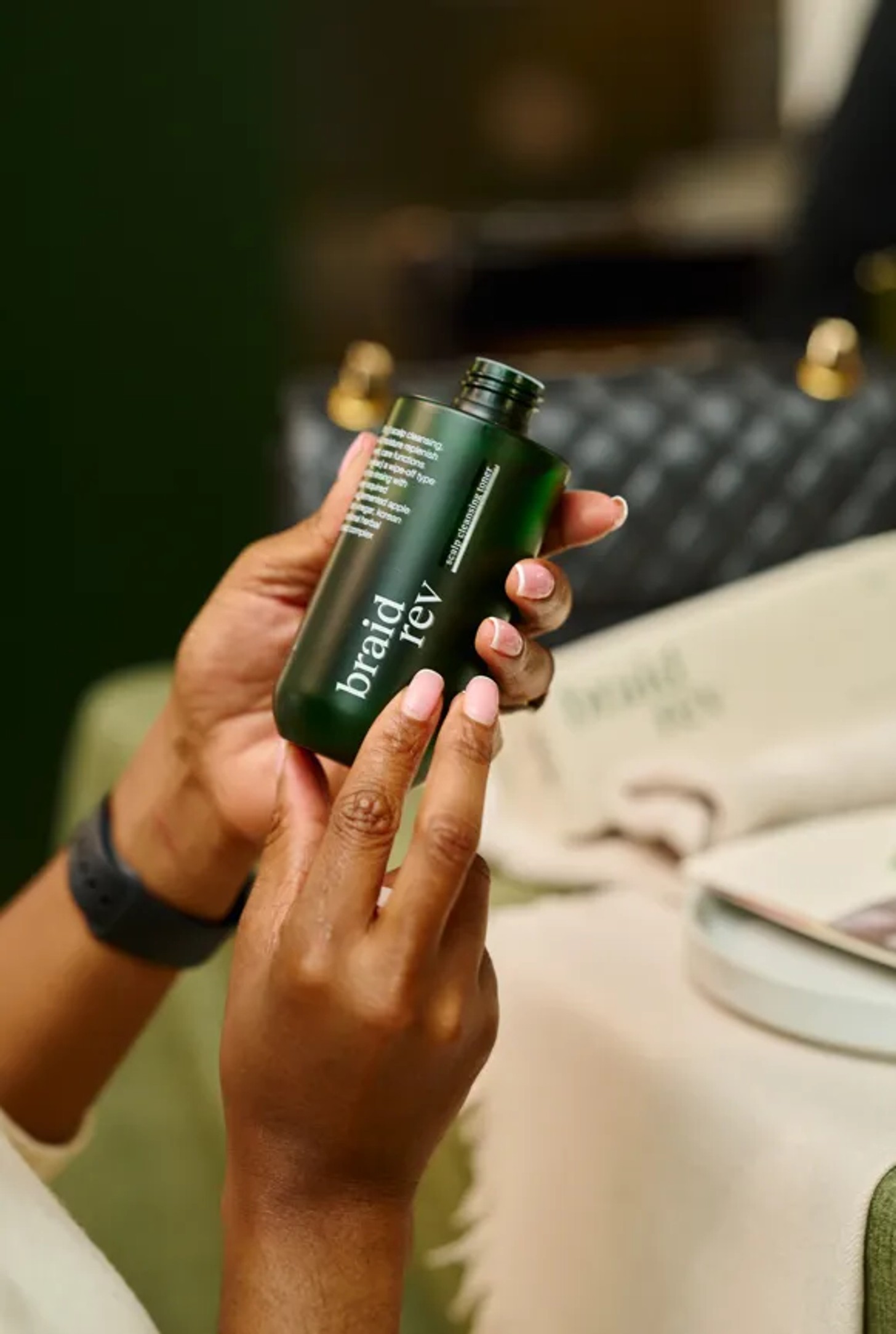
The insight was that people weren’t necessarily looking for another conventional shampoo. They needed practical ways to refresh their scalp without drenching their braids or compromising the style. The Braid Rev Scalp Cleansing Toner was developed for targeted application along exposed parts, offering a rinse-free way to refresh the scalp. The pre-soaked cleansing pads provide a portable alternative for people who want to freshen up after exercise, during a busy day or while travelling.
The collection also includes a Scalp Sleeping Oil Balm, designed to address the familiar problem of applying scalp oils before bed only to have them run onto pillows and bedding. Its balm-to-oil texture is intended to stay in place initially before melting with body heat, allowing it to be used as an overnight treatment. These formats illustrate how skincare principles can influence haircare product development. The focus is not only on what a product contains, but also on how it is applied, how it fits into an existing routine and whether it addresses a practical problem. For Mkhonza, that thinking is central to the process. “At Bephor, our core philosophy is simple: technology has no purpose without people,” she says. “No matter how advanced a formulation may be, it holds little value if it fails to reflect the lived routines, quiet frustration and real needs of our community.”
Finding a routine that works
So, how often should you cleanse your scalp while wearing braids? Mkhonza suggests that once a week can be a useful starting point, although the ideal frequency depends on individual needs. Scalp type, activity levels, lifestyle and the particular style all influence how often someone may need to cleanse. Rather than waiting until discomfort becomes prominent, she encourages people to pay attention to what their scalp is telling them. When choosing products, she recommends looking for lightweight formulas that cleanse without leaving the scalp feeling stripped, alongside products designed to support moisture and comfort without excessive residue.
The application method matters, too, particularly when the aim is to reach the scalp without saturating the hair.
Persistent itching, soreness or flaking can have several causes, however, and may require advice from a healthcare professional rather than another product. Scalp care also cannot compensate for excessive tension from tightly installed braids or other protective styles. The goal is to make scalp care a considered part of maintaining textured hair, rather than an occasional response to irritation or buildup.
What’s next for textured hair care?
As consumers become more interested in scalp health, there is room for the textured-hair market to explore products that address needs beyond styling and length retention. Mkhonza believes scalp care could become a more established part of that conversation, particularly as people seek science-led solutions that work with their existing routines. She often returns to an analogy that captures the relationship between scalp and hair. “We have always believed in a simple truth: ‘the scalp is the soil, and the hair is the tree.’"
You can never truly nurture a growing tree without first tending to the soil that cradles it,” she says. For Bephor, the next step is to continue exploring how consumer experiences can inform product development. For the wider beauty industry, the opportunity is to pay closer attention to the different needs of textured-hair consumers and recognise that solutions developed for one hair type or routine will not necessarily work for another.
The K-beauty and protective-styling crossover is still an emerging space, but it raises a question worth asking of the beauty industry more broadly: what becomes possible when innovation starts with listening to the people who need it?
Recent stories by:
Lethiwe Nhlangothi

The SS27 runway beauty trends set to influence our 2027 hair, makeup and nail Looks

5 Reasons to buy GLAMOUR's November'26 Entertainment issue featuring Gail Mabalane

Ferritin Face: Can low iron be affecting your skin and overall appearance?

From my collection to yours: The wigs, haircare products and tools on my radar


