
Glowing skin may be the beauty industry’s long-time obsession, but the spotlight is shifting to another area that deserves just as much care: the scalp. As the foundation of healthy hair, a balanced scalp plays a crucial role in everything from hair growth to shine and strength. Yet, many of us only pay attention when something goes wrong. Whether you’re dealing with dryness, oiliness, irritation or excessive shedding, understanding your scalp’s health is the key to unlocking your healthiest hair yet.
During the recent WBeauty Masterclass at Eastgate Mall in Johannesburg, Nhlanhla Sibanyoni, Functional and Technical Trainer at Woolworths Beauty, broke down the essentials of scalp care, separating fact from fiction while sharing practical tips for achieving healthier hair. Here are the standout lessons from the session.

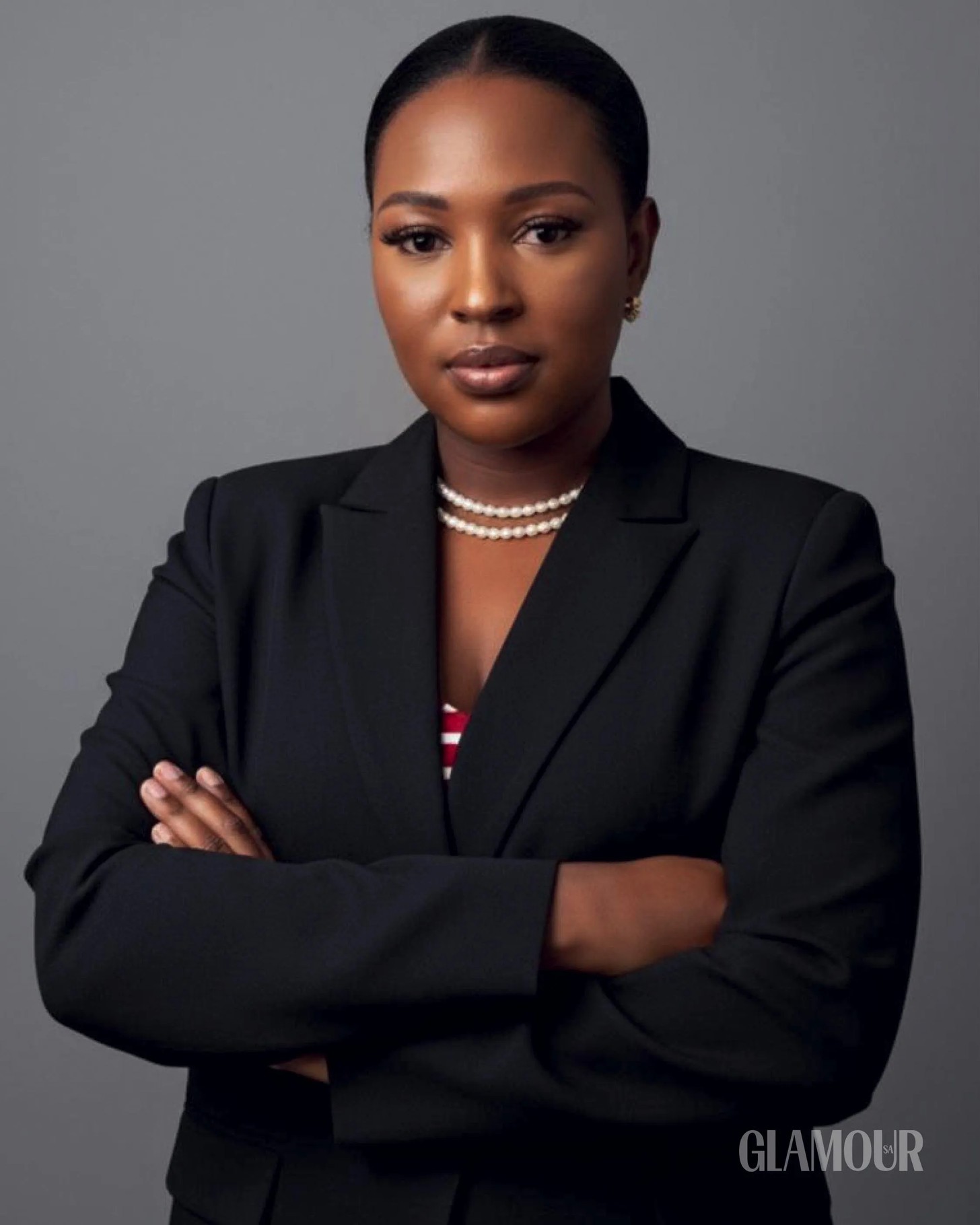
GLAMOUR: How does scalp care differ from traditional haircare, and why is it becoming such an important part of our beauty routines?
Nhlanhla Sibanyoni: The fundamental principles of skincare also apply to scalp care, because the scalp is an extension of our skin. Just like the skin on our face, the scalp requires consistent cleansing, hydration, and care to maintain a healthy barrier. Removing everyday build-up from debris, dirt, excess oil, and styling products is essential — but balance is key. Your scalp-care routine should be tailored to your scalp’s specific needs. For example, if you experience dryness or sensitivity, over-exfoliating or using harsh products can disrupt the scalp barrier rather than support it. The journey to healthier scalp care begins with choosing the right products, starting with a shampoo that effectively cleanses while respecting the scalp’s natural balance. At Woolworths Beauty, we offer a curated range of haircare products designed to support both the hair and scalp, helping you build a more complete approach to beauty — from root to tip.
G: Dry scalp is one of the most common concerns people experience. How do you recommend caring for this type of scalp?
NS: A dry scalp occurs when the skin becomes irritated and starts to flake due to a lack of moisture and natural oils. Those who experience dry skin are often more prone to a dry scalp, as both concerns can be influenced by similar factors including genetics, environmental conditions like dry air, over-washing, and the natural ageing process, as skin tends to become drier over time. When caring for a dry scalp, it’s important to focus on restoring and maintaining moisture. Start with a gentle, hydrating shampoo that cleanses without stripping the scalp’s natural oils, followed by a nourishing conditioner to support hydration.
PRO-TIP: It’s also helpful to avoid washing your hair too frequently, and opt for warm water instead of hot water, as excessive heat can further dry out the scalp. A consistent, gentle routine is key to maintaining a healthy scalp barrier.
G: What causes an oily scalp, and how can we treat it?
NS: The amount of oil produced by the scalp varies from person to person, but hair type and texture can also influence how oily the hair and scalp appear. For example, those with fi ne, straight hair may notice oiliness more quickly because sebum (the natural oil produced by the scalp) can travel more easily down the hair shaft, making the hair look greasy faster. With curlier or coily hair types, the natural oils produced by the scalp have a more challenging journey travelling down the bends and coils of the hair fibre, which is why these hair types can often experience dryness rather than excessive oil. For those with an oilier scalp, the first step is creating a cleansing routine that effectively removes excess oil and product build-up while maintaining the scalp’s natural balance. Using a gentle clarifying shampoo can help lift away impurities without over stripping the scalp.
PRO-TIP: Opt for formulas that cleanse effectively while supporting scalp health. The goal is to remove build-up, not remove all of the scalp’s natural oils.
G: Another common scalp concern is dandruff. How can we treat and manage it?
NS: Dandruff is often mistaken for a dry scalp, but the two concerns are different. While a dry scalp is usually caused by a lack of moisture, dandruff is the result of accelerated shedding of skin cells from the scalp and is often associated with excess oil production and the presence of a yeast-like fungus that naturally lives on the scalp. Dandruff can be an ongoing, recurring concern, and while it can be effectively managed, some people may experience flare-ups throughout their lives. It can affect anyone, although some individuals may be more prone to it due to factors such as genetics, hormones, and changes in the scalp environment. When managing dandruff ,consistency is key. During a flare-up, use an anti-dandruff shampoo regularly to help control the overgrowth of the microorganisms linked to flakes. Once the scalp is balanced, reducing usage to a maintenance routine can help prevent future flare-ups.
PRO-TIP: It’s also important to give your treatment products time to work — massage the shampoo into the scalp and allow the active ingredients to sit for a few minutes before rinsing. Avoiding excessive use of styling products during treatment can also help, as product build-up may interfere with the effectiveness of scalp-care products. A healthy scalp starts with understanding what your scalp needs and creating a routine that supports long-term balance.
G: How can we address a receding hairline or significant hair shedding?
NS: Shedding and a receding hairline can be some of the most upsetting scalp and hair concerns to experience, and the first step is understanding the cause. A proper diagnosis is essential, as excessive shedding can sometimes be linked to underlying factors such as hormonal changes, stress, nutritional deficiencies, thyroid imbalances, or autoimmune conditions. If you’re experiencing unusual or persistent hair loss, it’s important to consult a healthcare professional to identify the root cause. Hair loss can also be influenced by how we wear and style our hair. A common example is traction alopecia — hair loss caused by repeated tension on the hair follicle from styles that are worn too tightly or too frequently. This constant pulling can lead to inflammation of the scalp and, over time, contribute to hair thinning around areas like the hairline.
PRO-TIP: The good news is that supporting scalp health and reducing tension on the hair can help. Opt for looser hairstyles, avoid excessive pulling, and choose products that support the scalp environment.
Nhlanhla’s WBeauty product recommendations
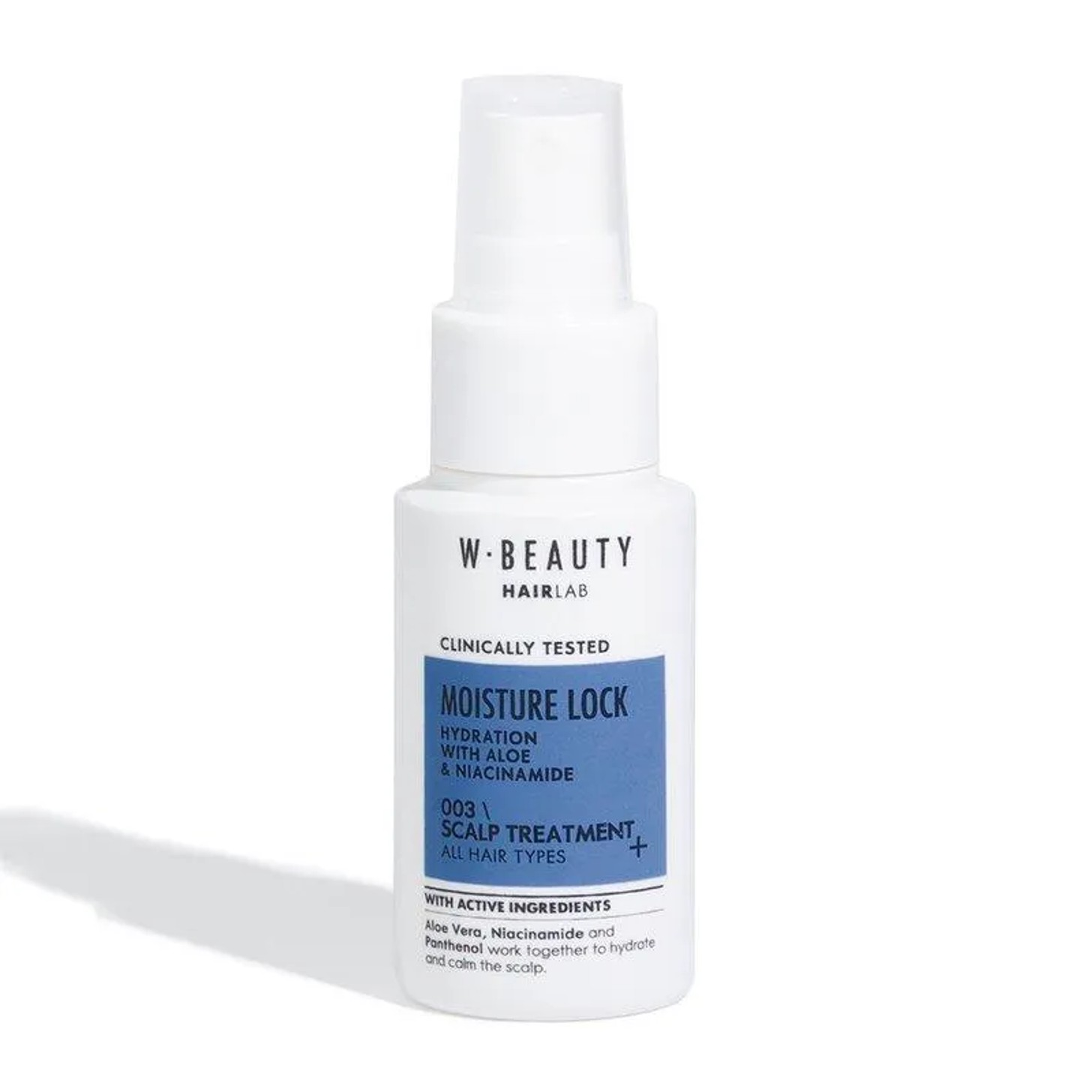
Moisture Lock Hydrating Scalp Treatment
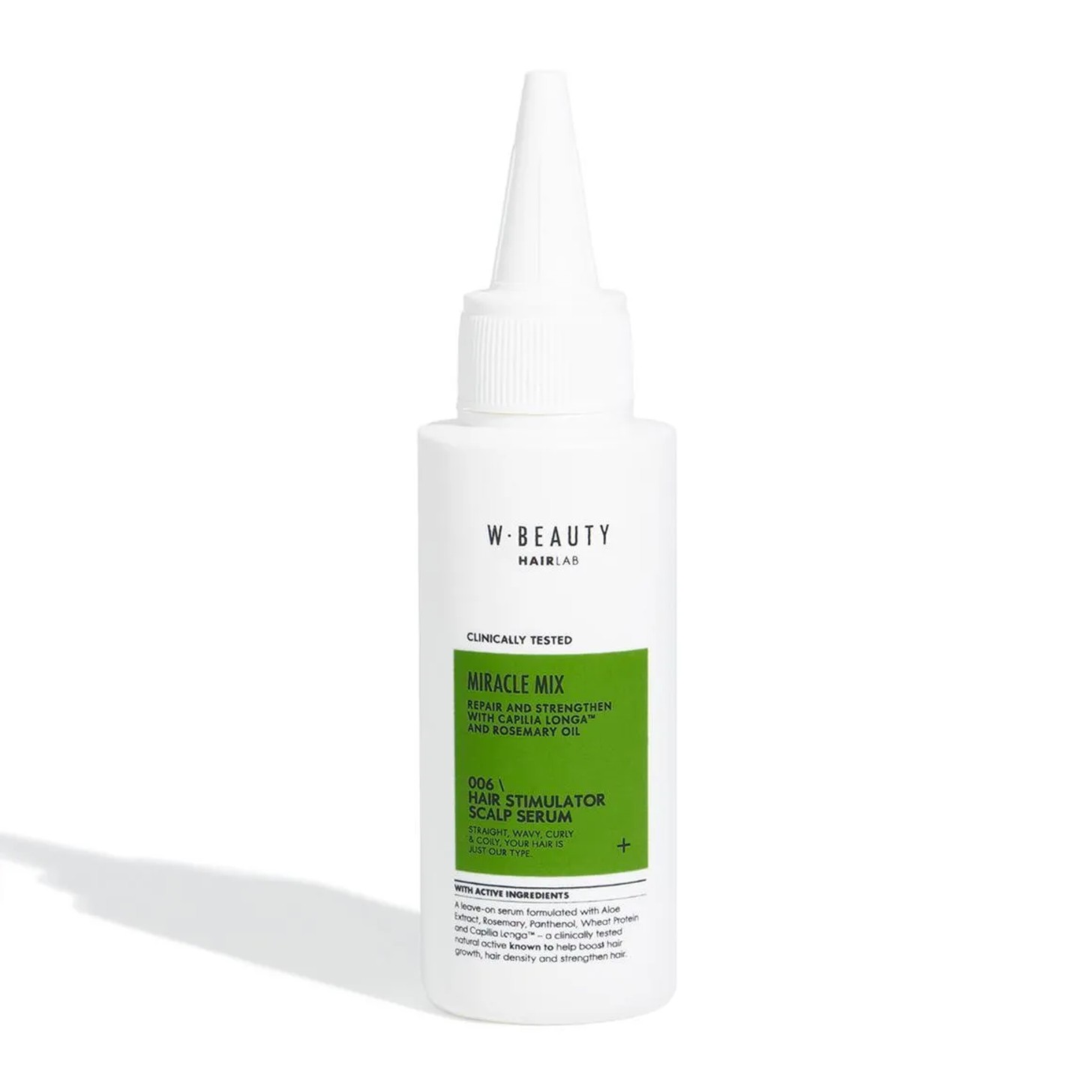
Miracle Mix Hair Stimulating Scalp Serum
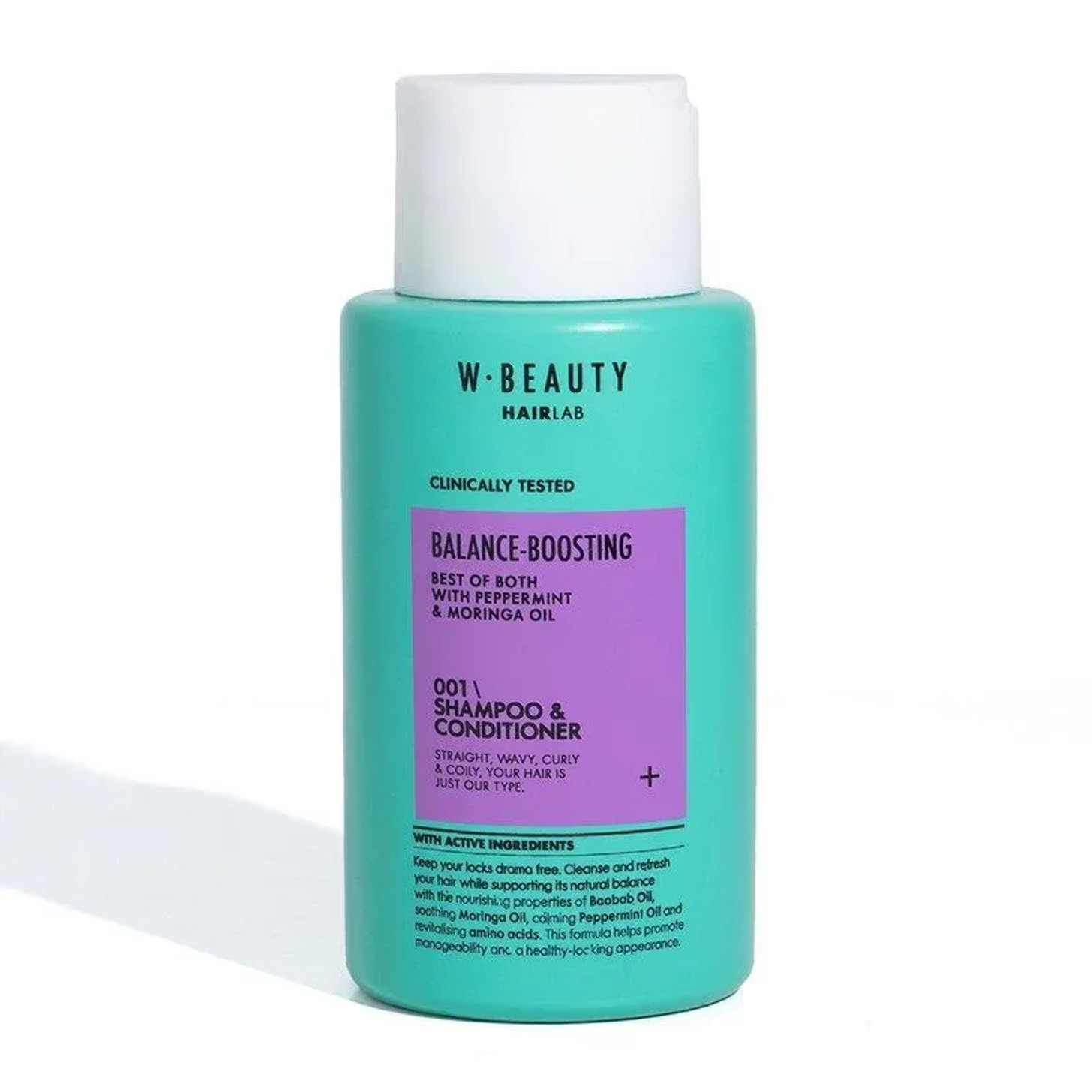
Balancing Boosting 2-in-1 Shampoo & Conditioner
Recent stories by:
Nontando Mposo

Award-winning designer Fikile Sokhulu brings her signature style to Pick n Pay Clothing

6 reasons Sevruga should be on your winter dining list

Editor’s picks: Must-have beauty products to elevate you this season

GLAMOUR Editor-in-Chief's letter to all women this Women's Month


