
From championing authentic African storytelling to protecting the creative industries behind our favourite shows, two influential women at MultiChoice are helping shape a more inclusive and representative television landscape.
Television has the power to shape conversations, influence culture and bring people together. But, perhaps most importantly, it has the power to make people feel seen. In a country as diverse as South Africa, building a television industry that reflects the people, languages, cultures and lived experiences of its audiences is more than an industry objective; it is a cultural imperative.

As the world marks the 29th United Nations World Television Day this Saturday, the spotlight turns to television's enduring role as a platform for communication, cultural exchange and raising awareness around important global issues, from peace and security to economic and social development.
But creating television that truly represents its audiences requires more than compelling stories. It requires diverse voices behind the scenes, women in positions of influence and decision-making, and an industry that continues to make room for fresh perspectives and new talent.
At MultiChoice, General Manager of Regulatory Affairs Lara Kantor and Head of Content Renee Jacobs are two women playing important roles in shaping this landscape. Through their respective positions, they are helping protect the creative ecosystem while championing content that speaks to African audiences and reflects the richness of the continent's storytelling heritage.
Making Space, Meeting Audiences' Needs
The television landscape is constantly evolving. Audiences are consuming content differently, discovering new platforms and demanding stories that reflect their interests, identities and experiences. For broadcasters, this means continually rethinking how content is commissioned, produced, packaged and made accessible.
For Renee Jacobs, the future of African television lies in the ability to understand audiences while remaining bold enough to challenge convention.
“We need to see new ideas that challenge conventions and respond to audience needs, which requires creatives to be deeply connected to and understanding of their audiences in order to push the industry forward,” she says.
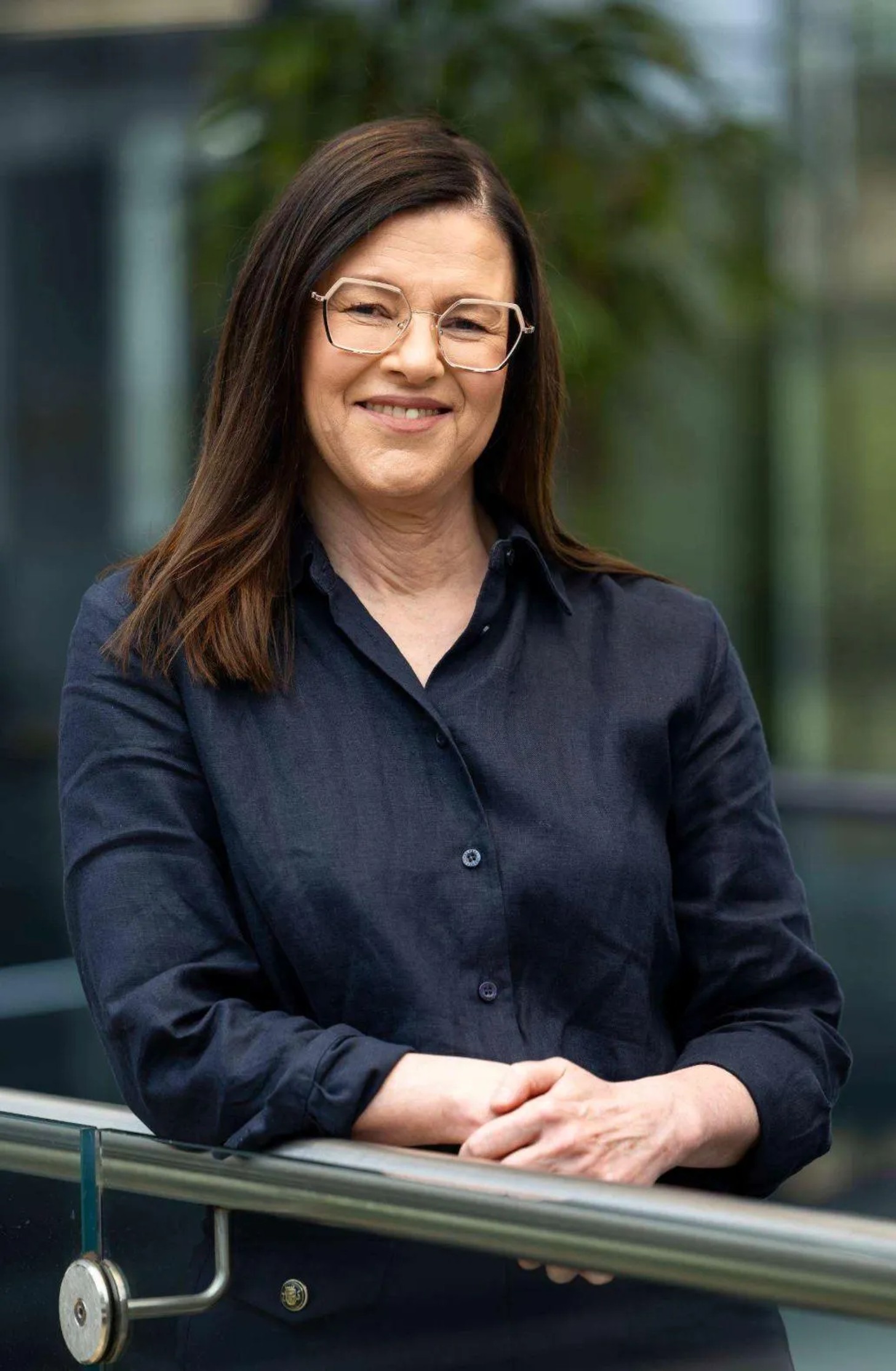
She believes that original thinking and fresh perspectives are essential to keeping African storytelling relevant in an increasingly competitive entertainment landscape.
“As audience expectations evolve, new perspectives and original concepts remain essential to keeping African content engaging and relevant, because we believe that the future of African storytelling depends on the ideas we dare to bring to the screen,” she adds.
This commitment to accessibility also extends to how audiences discover and engage with content. With changing viewing habits and increased competition from new players in the attention economy, broadcasters are exploring new ways to connect viewers with the programming they love.
MultiChoice's September DStv package reshuffle was one such move, introducing audiences to channels and shows that may previously have been outside their subscription packages. The inclusion of Mzansi Magic in the DStv Access Select package, for example, opened up greater access to popular local productions, including Inimba. It is a reminder that making local storytelling accessible to more people is just as important as creating the content itself.
Protecting the Creative Economy
While compelling storytelling is at the heart of television, sustaining the industry requires a strong ecosystem that protects the people, investment and intellectual property behind every production.
This is where Lara Kantor's work in regulatory affairs becomes particularly important. Her role includes advocating for a policy and regulatory environment that supports the creative industries, safeguards intellectual property and ensures that content producers can continue investing in original African stories.
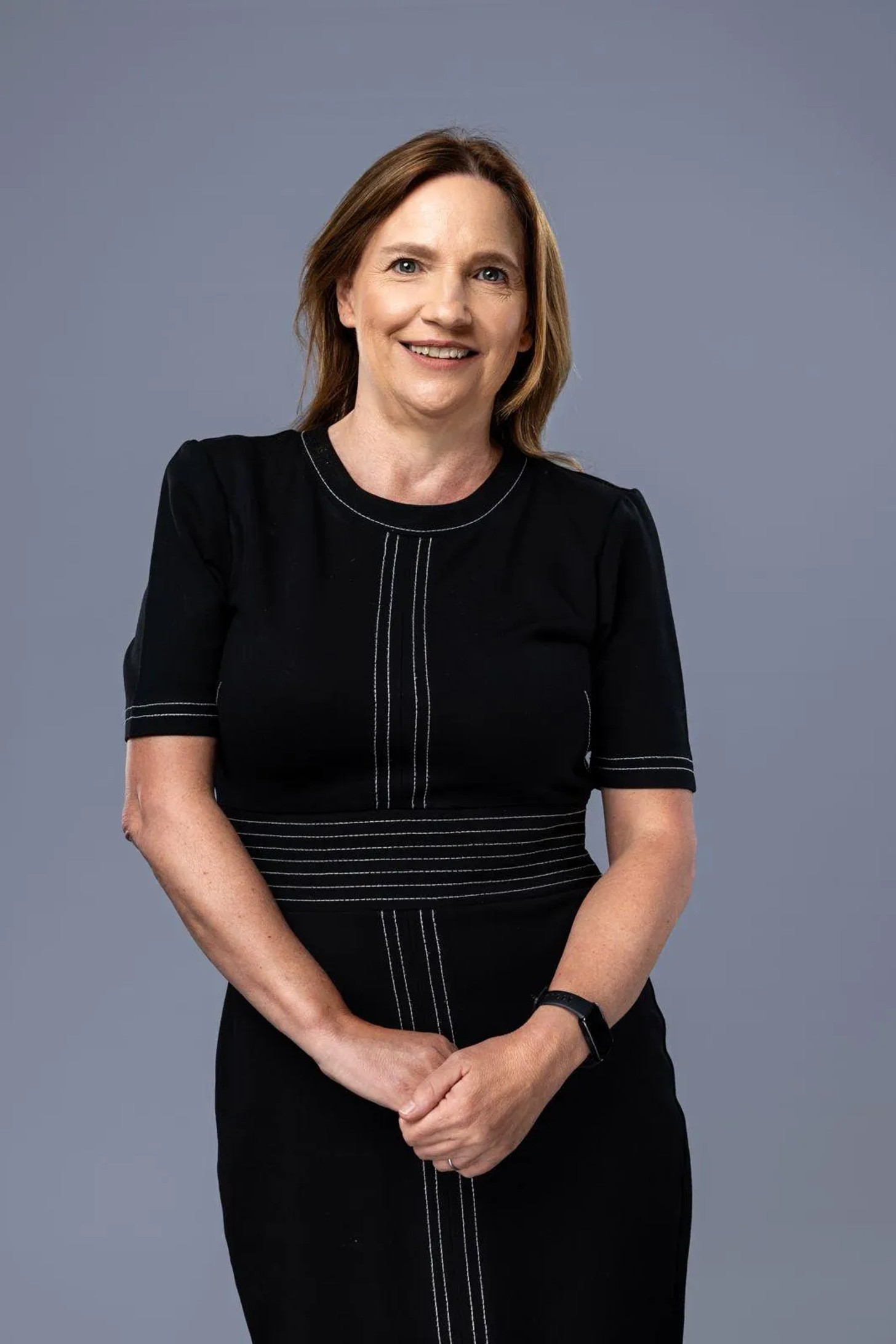
One of the biggest challenges facing the entertainment industry is content piracy, which threatens the financial sustainability of broadcasters, production companies, filmmakers and other creative professionals.
“Legislation and regulation are important in combating piracy because they give content producers avenues to follow to protect their intellectual property. MultiChoice is part of Partners Against Piracy (PAP), a multi-stakeholder pan-African initiative that unites broadcasters, film studios, content creators, regulators and law enforcement agencies to combat illegal content distribution across the continent,” explains Lara.
The consequences of piracy extend far beyond lost revenue. When content is distributed illegally, it undermines the investment required to develop, produce and commission future programming. Ultimately, this threatens the very stories that audiences want to see.
“The stark reality is that if content piracy becomes endemic in a country or region, the companies which commission and broadcast or stream it won't find it financially viable to continue to operate there, which means pulling funding and leaving production companies without outlets and viewers without content, leaving local industries in a death spiral. What content will pirate services 'sell' their audiences then?” she adds.
It is an important reminder that protecting creative intellectual property is not simply about safeguarding businesses; it is about protecting jobs, nurturing talent and ensuring that African stories continue to find their way to our screens.
Recognising the Women Changing the Industry
The women shaping television are not only influencing what we watch; they are also helping determine who gets to tell the stories. From executives and producers to actors, directors, writers and creatives, creating opportunities for women across the entertainment value chain is essential to building a more inclusive industry.
It is also about creating a culture in which women support, mentor and champion one another, ensuring that the next generation has greater opportunities to grow and succeed.
This spirit of paying it forward was evident among the recipients of the 2025 GLAMOUR Women of the Year Awards. Gail Mabalane, who received the Editor's Industry Icon Award, has previously spoken about the guidance and support she received from colleagues, including Connie Ferguson, when she joined M-Net's The Wild. Having experienced the value of being supported and given room to grow, her journey reflects the importance of creating spaces where emerging talent can learn, develop and find their confidence.
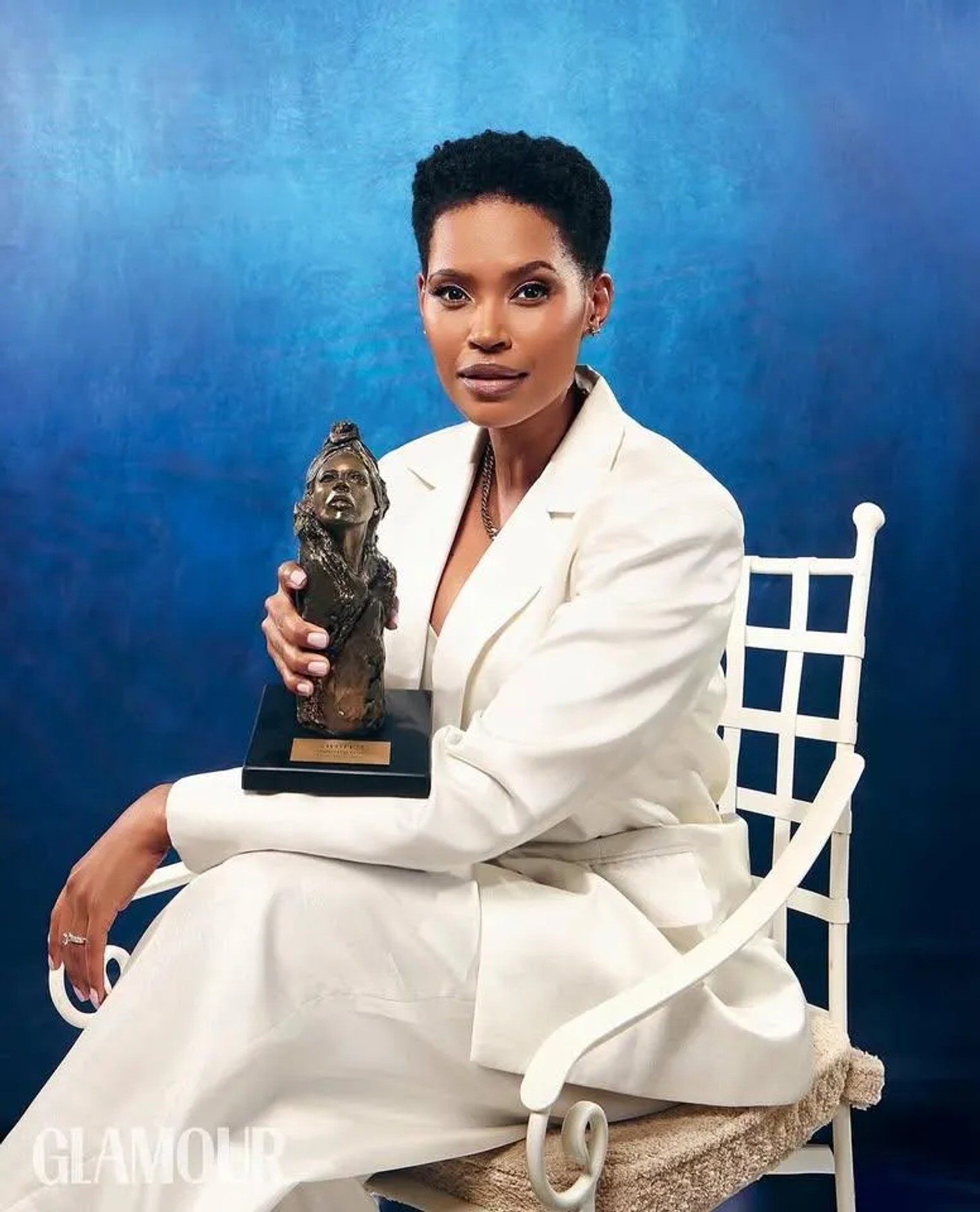
Another example is Nomzamo Mbatha, recipient of the 2025 Entertainment Game Changer Award, who demonstrated the power of women taking up space both in front of and behind the camera. Her dual role as Queen Nandi and executive producer of the internationally successful epic series Shaka iLembe highlighted the growing influence of women in shaping the creative direction of major productions.
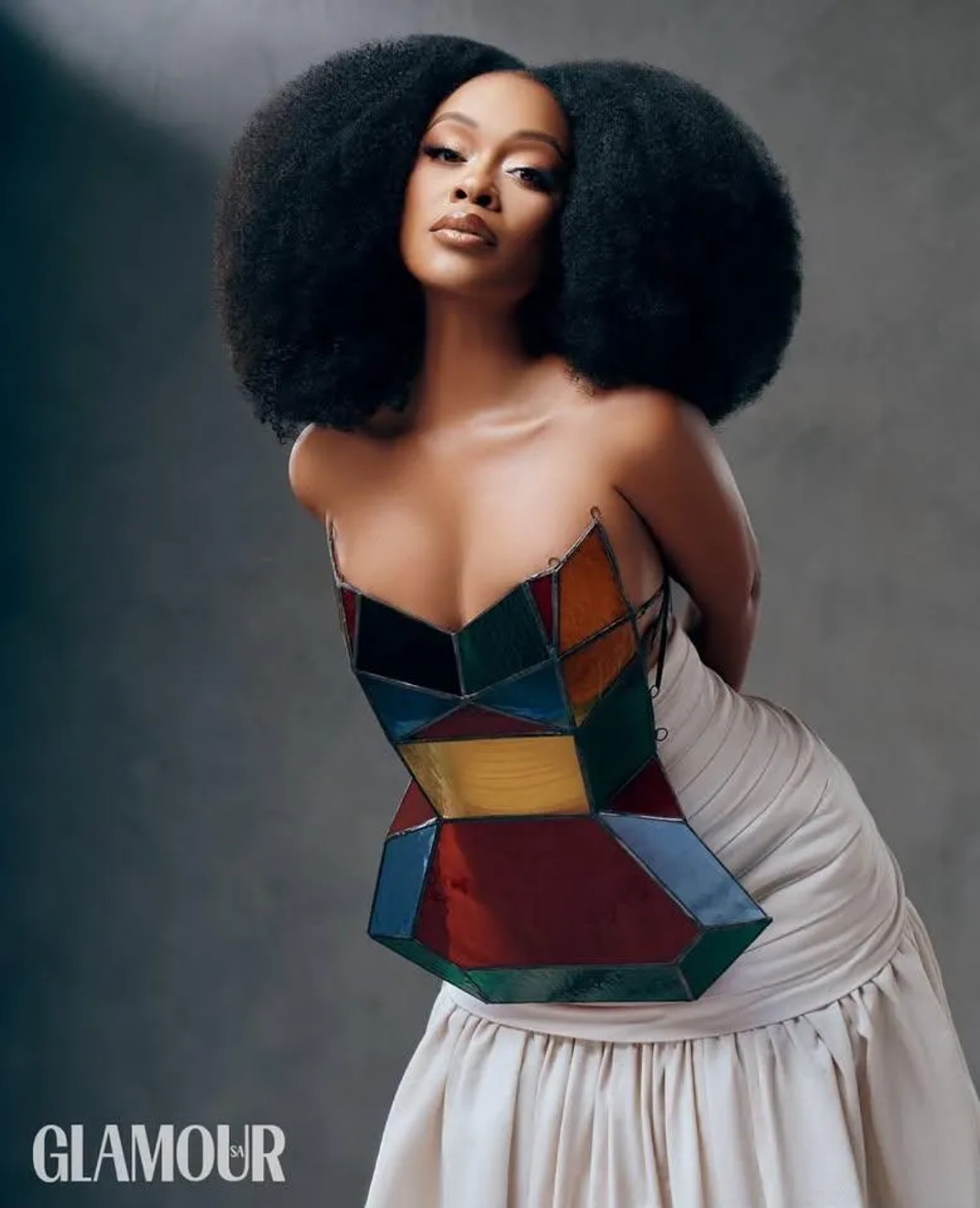
This year's GLAMOUR Women of the Year Awards continues that celebration of women making an impact across industries. MultiChoice is a proud sponsor of the TV Personality Game Changer Award, recognising an individual whose influence, talent and contribution continue to shape the television landscape.
Through its wider She Can Be campaign, MultiChoice also champions the importance of creating opportunities for women across its business and the broader entertainment ecosystem. The initiative celebrates women's achievements while encouraging a future in which women are supported, recognised and empowered to realise their potential.
Supporting GLAMOUR in recognising this year's TV Personality Game Changer is a natural extension of that commitment. It acknowledges the women who are not only building successful careers but are also using their influence to open doors, challenge perceptions and create opportunities for others.
Because a more representative television industry is built when more women have a seat at the table, a voice in the room and the opportunity to shape what audiences see on screen.
MultiChoice on Celebrating Women Shaping the Future of Television
What would you like GLAMOUR’s audience to know about MultiChoice and the values that drive it?
At MultiChoice, we believe that everyone deserves to see their lives, languages, cultures and communities reflected on screen. That belief is at the heart of what we do and informs the local stories we bring to audiences through DStv, as well as the talent and creative voices we invest in to tell them.
We recognise that television has an important role to play in shaping culture, influencing conversations and bringing people together. Women are central to that vision, not only as the personalities and performers audiences welcome into their homes, but also as the writers, producers, directors, executives and creatives who develop and bring these stories to life. Our commitment is to create an environment where diverse voices can thrive and African stories can be told authentically.
What inspired MultiChoice to partner with GLAMOUR Women of the Year 2026?
Through our She Can Be campaign, we have been celebrating women whose contributions are shaping the future of media, technology and the creative economy. Partnering with GLAMOUR Women of the Year 2026 felt like a natural extension of that commitment.
The TV Personality Game Changer Award speaks directly to an industry we know and understand, while giving us an opportunity to recognise a woman whose talent, influence and presence have made a meaningful impact on South African television. We believe recognition is important because it not only celebrates individual achievement but also inspires others to see what is possible for themselves. We want to spotlight women who are making a difference and whose journeys can encourage the next generation to find their voices and pursue their ambitions within the industry.
What does recognising women who are making an impact in their industries mean to MultiChoice?
Recognition has the power to shape perceptions and expand possibilities. When women see other women succeeding in spaces they aspire to occupy, it makes those opportunities feel more attainable. Whether it is hosting a popular television show, leading a production, building a media business or influencing the direction of the creative industry, visibility matters.
It is equally important that recognition translates into meaningful opportunities. It encourages those in positions to commission projects, employ talent, invest in businesses and open doors to look beyond the familiar and consider whose voices and contributions deserve greater visibility. Celebrating women's achievements is therefore about more than acknowledging how far they have come; it is also about creating pathways for others to follow.
How does MultiChoice champion women, and where can we see that in practice?
Our commitment to championing women extends beyond the screen and into the broader business and creative ecosystem. One example is the She Can Be edition of our Multi-Perspective Series, which creates a platform for women to share their experiences, expertise and insights in their own voices.
In this edition, Claire Mawisa sat down with women including Lara Kantor, our General Manager of Regulatory Affairs, to explore the important work involved in protecting and sustaining South Africa's television industry. The series also featured Fazila Bismilla of FazMedia, an entrepreneur supported by the MultiChoice Innovation Fund.
The fund provides entrepreneurs with access to funding and business support, helping them develop and grow their businesses. By featuring women such as Fazila, we are able to shine a light on the entrepreneurial journeys behind the businesses, the challenges they navigate and the opportunities they are creating.
For us, championing women means creating tangible opportunities, providing access to resources and platforms, and ensuring that women have the support and visibility they need to build sustainable careers and businesses.
What message would you share with this year's honourees and the women who look up to them?
To this year's honourees, congratulations. We hope you take the time to celebrate this moment, appreciate how far you have come and recognise the impact your work continues to make. Your achievements are worth celebrating, not only for what they represent individually but also for the doors they help open for others.
To the women who look up to them, take inspiration from their journeys, but remember that your own path does not have to look like anyone else's. Give yourself permission to dream boldly, take up space, embrace opportunities and build a career on your own terms. There is room for different perspectives, fresh ideas and new voices in this industry. Most importantly, there are stories that only you can tell.
Never underestimate the power of your voice or the difference you can make when you use it.
Recent stories by:
Nontando Mposo

SEVEN Hotel, Villas & Spa: Sandton’s best-kept secret

A Taste of La Dolce Vita: Why Caffé Balducci should be on your Cape Town dining list

Car Review: Four wheels. Four moods. Find your drive

Inside GLAMOUR’s October issue: The stories, trends and finds on the Editor's radar


