
GBV and femicide has once again reared its devastating head, robbing women across South Africa of their basic right to security. We continue to honour and remember those whose lives were brutally stolen, particularly following the recent horrific discoveries in Kempton Park, East of Johannesburg, a location now tragically synonymous with the relentless violence against women
Beyond the urgent demand for justice, there is a collective plea for systemic change and the restoration of safety in our daily lives. To deepen this crucial dialogue and keep the momentum alive, we have gathered insights from varied perspectives to confront the root causes of gender-based violence and explore holistic pathways to healing. Understanding the foundational roots of gender-based violence requires examining early developmental patterns.

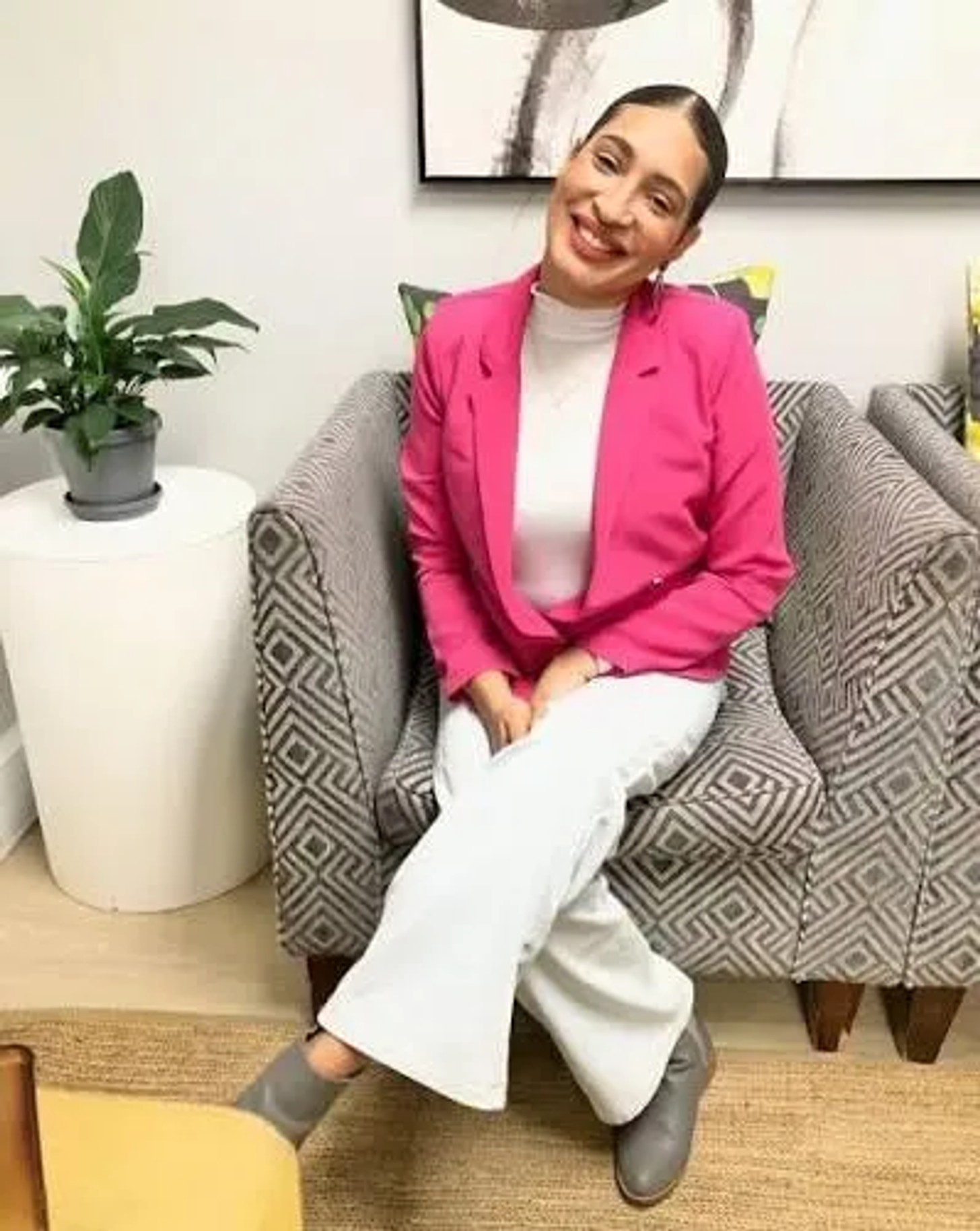
According to registered counsellor Melissa Davids, GBV rarely starts with physical violence. She emphasises that consent and emotional regulation need to be taught from a young age because trauma does not simply disappear as we age, it hides in our bodies and manifests in our behaviour when facing emotionally uncomfortable situations. “When we face situations that should be humanly normal to manage, like rejection, we can’t process that and we treat it like a threat,” she notes. “Also, teaching boys that girls can hit but they can’t hit back is creating an obscurity about what’s allowed and what’s not, leading to suppressed anger.
Founder and Chairperson of The Tom Ro Haven For Equines and Children, Gillian McCulloch on healing through equine connection
At Tom Ro Haven, rescuing abused and neglected horses is deeply interconnected with offering a sanctuary for human healing. “We rescue and rehabilitate sick, injured, abused and unwanted horses,” Gillian explains. “We have rescued horses that were shut down and aggressive, and gently reassured them that they are in a safe space. Now, these horses participate freely and interact with no aggression.” A decade ago, a chance conversation at a fundraiser for human trafficking survivors opened a new chapter for the sanctuary. “Since that time, we have helped many victims of GBV. We have never charged a fee, as we believe this service should be available to all who need the healing power and peace of horses.”
Rather than offering clinical therapy, the sanctuary facilitates intuitive, non-verbal connection. “Horses are non-judgmental and can sense trauma,” says Gillian. “When a victim cannot verbalise their trauma, the non-verbal connection engages parts of the brain that talk therapy alone cannot reach. Working with rescued horses restores trust, calms a hypervigilant nervous system, and helps survivors reconnect with themselves.” The profound impact of this work is best illustrated by the breakthroughs witnessed in the field. Gillian recalls one young woman who arrived guarded and resistant: “She was extremely tense and determined not to engage. I asked her to hold my hand, close her eyes, and just breathe. One of our horses came over and placed his head against her chest. Then, a mare who had been rescued from starvation wrapped her body around the young woman. She held onto the mare’s neck and began to sob. These special animals did what no one else could in a matter of minutes.” For Gillian, the essence of the program lies in the instinctual empathy of the herd. “Animals and nature meet you where you are and give you the strength to recognise that the abuse was not your fault. The horses are the true therapists— they are the ones making the connections and doing the healing.
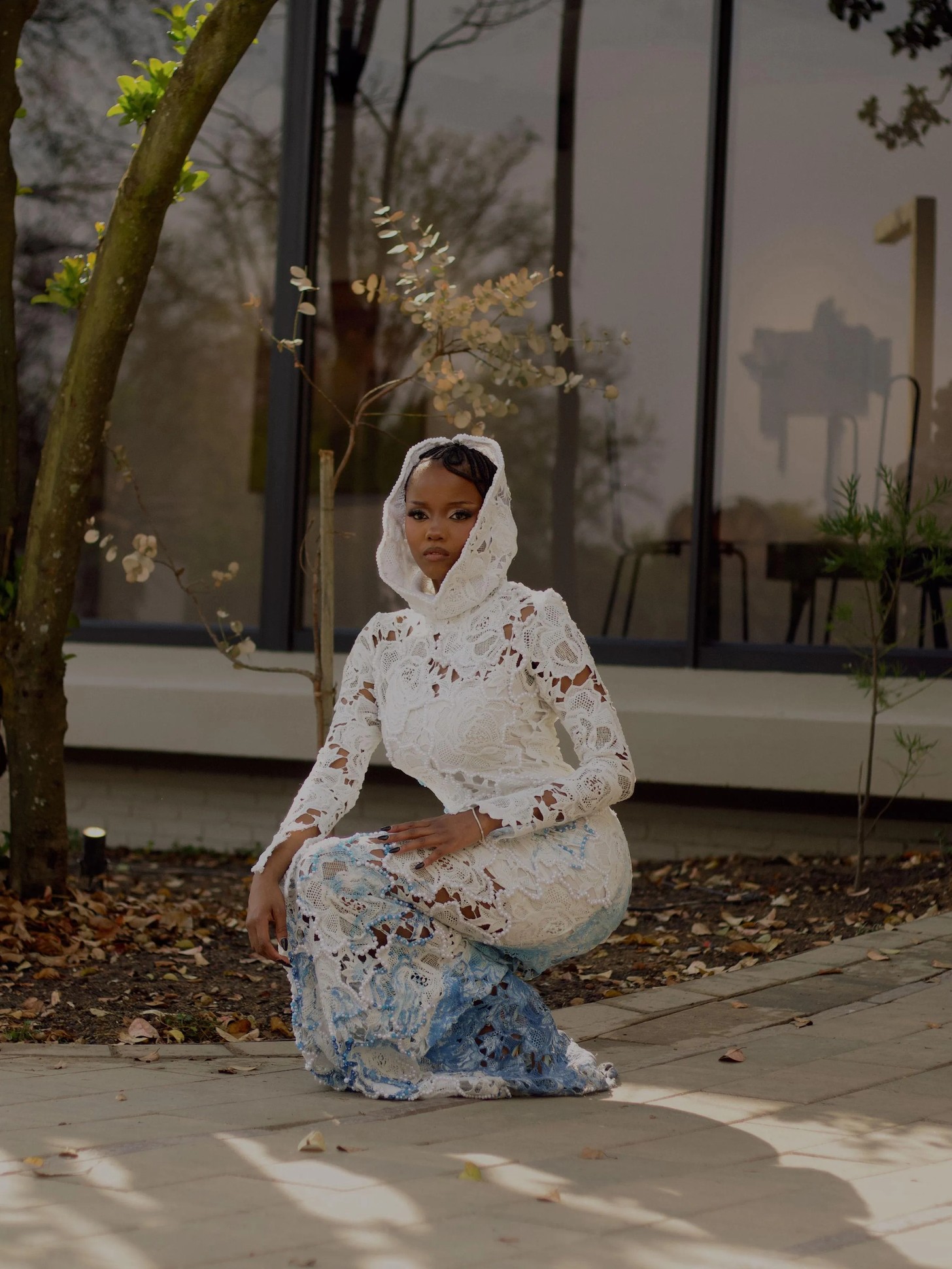
Thespian, Pule Buys weighs in...
For actress Pule Buys, navigating systemic violence against South African women is both her lived reality and her on-screen focus through her role in Soul City. “When I initially found out I was playing Samke, a young charismatic influencer whose confidence, popularity and dreams of financial independence mask the vulnerabilities faced by many girls I was very excited because we are living in an age of influence culture I knew this was going to be an important story to tell as it shines a light on how many young girls unknowingly find themselves in entanglements with older, much more powerful figures in pursuit of opportunities,” she shares. “However, I started experiencing feelings of intimidation when I realised the extent of GBV and IPV that she experiences. I myself, have been quite fortunate enough to have never experienced rape, and as a result I knew it was going to be a tough challenge to portray those deep emotions.”
In the series, Samke is raped by her best friend’s father under the guise of mentorship in an affluent beauty company. She chooses not to report him, driven by the need to support her family and secure an influencer deal. “I never used to wonder why victims often go back to their perpetrators,” Buys reflects. “Now I got to be in their shoes and understand that our circumstances often drive us to make decisions that we ourselves are not too proud of, but may have to as some form of survival.” Buys emphasizes the power of screen media in fostering social change. “Cinematic storytelling is the one art medium that reaches mass audiences and that makes it quite a transformational and impactive source for awareness. Ultimately Soul City: Let’s Rise is a story about reclaiming agency. It asks whether communities can break cycles of violence before another life is lost and whether hope, solidarity and truth can inspire a new generation to rise together. So it’s very important that we reach as many people as we can, especially because we are at the height of GBV in this country and we need to be sparking strong conversations nationally.”
Portraying this reality carried significant personal responsibility for her. “I knew when I accepted this role that there was immense pressure that will tag along, given the statistics of GBV let alone rape. Rape is reported every 16 minutes in South Africa, and Samke forms just a drop in the ocean of that demographic. I knew I had to spend time understanding that form of violence against women by men, allowing that trauma to sit in my body in order to truthfully represent these many victims. I can only hope that I did my job well enough to heal them, and stop the thoughts of those that imagine to do this others, by helping them see what repercussions their actions could potentially have.”
The emotional toll was particularly heavy during Episode 5, where Samke experiences rape. “That was the most emotionally exhausting episode to work on, because those emotions stayed with me even weeks after I had finished working on them. I had internalised so deeply that it changed me as Pule forever. In some way, and shape I have experienced the trauma by way of Samke and I will forever commend victims of GBV, we many not know them, but they live with us, and wow they are so strong for going on with life after the intense tragedy and trauma they faced.” Managing the psychological impact required professional support. “Separating myself from the characters I play is something I learnt back in varsity, to be able to de-role and come back to me is a crucial skill that every actor needs. It’s a safety net that protects one’s mental health,” she notes. “However with this character, I found myself needing more help, and thank God, production provided a therapist just to ensure that Pule has returned 100% to herself.”
Pule hopes viewers draw strength and solidarity from the narrative. “I hope that the audience takes away that it’s important to speak out when you’re suffering, it’s important to take refuge in your community because ultimately they give you the courage that you may need to get through life. To fight power structures that you may not have been able to do by yourself.” She highlights the role of narrative arts in transforming abstract metrics into human experiences. “Storytelling remains so key in humanising this crisis we face as it puts a face and a name to the general statistics, grounding the story and reminding us that there’s so many different people with different experiences but all under one category. It helps connect to the victims stories and encourages the audience to replace judgement with empathy, compassion and curiosity. It also offered the victims a place of refuge as they feel represented when they recognise themselves and their stories in someone.”
Addressing the limits of online advocacy, she points to the need for deeper engagement.
“Based on my observations, I think that it’s great that we interact on social media, change our profile pictures and reshare insightful posts, however, we aren’t willing to confront the attitudes, behaviours, silences and power structures that allow for it to happen in the first place. When we switch off our phones we separate the lives we lead online, with our actual lived experiences and that’s when we fall short. Real authentic activism requires us to actively practice what we preach.” This realization led her to found Within Collective, a creative social impact platform bridging cinematic storytelling and social issues in South Africa to address the reality after screens go dark. When considering systemic solutions, she shifts focus to accountability and prevention. “I strongly believe that GBV is going to require a national collective effort to overcome.
There are so many components that contribute towards the violations. Firstly we need to definitely address perpetrators more than we should the victims because they are the innocent ones in this equation. It’s the mindset of the perpetrators that we need to correct, that’s the true cause, that’s the only way we can truly prevent GBV, so that’s the most pressing conversation we need to have.” On a personal level, living amidst this crisis evokes complex emotions. “As a South African I am afraid, I’m disappointed, I’m watchful and quite angry. So living like this everyday in a place I call home is quite devastating. I think it means so much to me as it does to all the other girls and women living in this country to have this conversation “It’s the mindset of the perpetrators that we need to correct, that’s the true cause, that’s the only way we can truly prevent GBV, so that’s the most pressing conversation we need to have.” and work towards changing our future.”
As a South African I am afraid, I’m disappointed, I’m watchful and quite angry. So living like this everyday in a place I call home is quite devastating. I think it means so much to me as it does to all the other girls and women living in this country to have this conversation and work towards changing our future. Her work on the series has further fueled her advocacy. “I have always been headstrong when it comes to ethics and morals. However, being a part of soul city has made me passionate about spreading that awareness, about educating and empowering the youth. Especially when it comes to teaching them that making your own decisions is well within their rights and anyone who makes them believe otherwise is violating their right.”
Offering words of support to victims, she shares: “I’d start off by reaffirming them that it’s not their fault. Secondly, I’d ask them to please speak to someone they trust if not call helplines, professionals are waiting for them to pick up the phone and consult them. They are absolutely not alone and they can get through this positively and much more stronger than they already are. I believe in them.” She views her artistic visibility as a civic duty. “I believe that once you have been blessed with a talent and a platform then automatically you have a responsibility to do well for others using the voice that you have. Whether that’s strongly leading and advocating for issues that you’re passionate about, or supporting behind the scenes however you can.”
Calling for a fundamental shift away from victim-blaming culture, she says, “There’s this thing where women are always policed and as the victims of this crisis I think that’s the incorrect way to even try and start resolving the issue. So once we stop blaming the victims and actually holding perpetrators accountable, I think we’d go far with the situation,” she asserts.
Recent stories by:
Thobeka Phanyeko

GLAMOUR Exclusive: Meet Diana Tadjuideen, Founder & Creative Director of Diane Paris

This is how you can navigate the festive season as a single mom

Healing Isn’t Linear: Diane Rodrigues on Learning to Stay, Not Just Survive

GBV in Focus: Are you in a toxic relationship? Here’s how to create an exit plan


