
Norwegian-Ghanaian artist and songwriter Akuvi releases her new single, “I Know Who I Am”, a powerful declaration of self-definition, boundaries, and emotional clarity. Following her previous release “Therapy”, the new track continues the rollout toward her highly anticipated album arriving in Spring 2027.
Known for her distinct fusion of Afrobeats, R&B, and pop sensibilities, Akuvi has built a reputation for emotionally raw storytelling. Where her acclaimed EP Afrobeats for Emotional Gangsters explored vulnerability and heartbreak, “I Know Who I Am” marks a shift into stepping into one's power, accepting past struggles without letting them define the present, and moving forward with quiet confidence.

Reflecting on what has been an incredibly impactful year for Akuvi, from speaking at Forbes and opening for Stonebwoy at London's OVO Arena to performing at AfroFuture Festival and launching Dream Big Afro in Norway, she shares that so many moments have felt surreal. “As an independent artist who grew up in little Norway in the north of Europe, it feels ecstatic to experience being part of events that are such huge international platforms. It shows that it really goes down to putting yourself out there and daring to go where you feel drawn to and loved.”
Looking at her journey from the outside-in, one can only wonder which experience has been the most defining for her, and how have these milestones shaped the artist and woman you she’s becoming? Opening up, she says, “So many of these doors started opening after I relocated to Ghana, and started becoming visible in the scene where I have my roots. Speaking at Forbes was the most unexpected event. It has been a lifelong dream of mine to be a speaker, so as scary as it was, it still felt fitting. I met so many incredible women with powerful stories from all over Africa, and I was told that the story I shared touched many.”
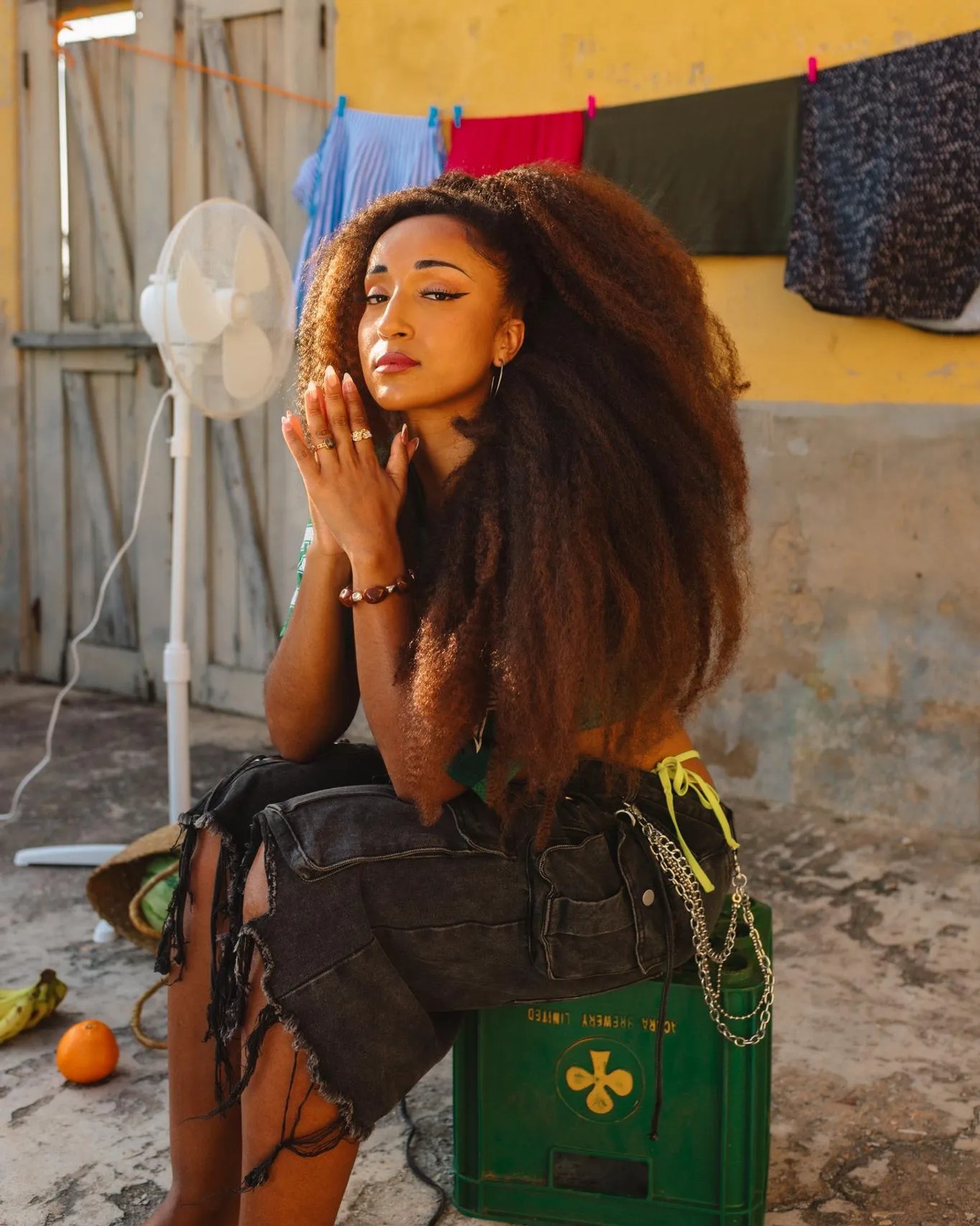
As a multi-hyphenate, this year has seen her move between many different spaces; from music, entrepreneurship, television, and international platforms. Letting us in on how this journey shifted her definition of success, she says, “With my festival in particular, I’m seeing how my journey and hardship can actually lead to the birth of something new and necessary. I created my festival because there weren't enough stages and platforms for Afrobeats artists in Norway. It was a response to feeling rejected.” And now she gets to offer that platform to others. “I used to think success had to do with being verified by already-established platforms and people, and that being independent was a testament to not being there yet. Now I see the gift of the struggle: I get to start things that are missed and I get to curate events and platforms from scratch that fills a gap more than just I need.”
GLAMOUR; Your new single, I Know Who I Am, is a powerful declaration of self-worth and self-definition. The song speaks to reaching a point where you no longer need to explain yourself to people who have already decided who you are. Was there a particular personal experience that brought you to this realisation?
Akuvi: I've encountered a fair share of manipulative people in my life. And before I reached this level of self actualisation, I would spend a lot of time and energy trying to explain myself to people who were committed to misunderstand me. I’ve realised that most people know what they are doing, and sometimes, being too understanding can be our downfall. People who lack accountability will often project and blame shift, and in this song I’m declaring that I won’t fall for it anymore. It feels empowering.
GLAMOUR: The phrase "the war is over" captures the essence of the song. It suggests that sometimes the greatest victory isn't proving someone wrong, but choosing to walk away and protect your peace. What does that statement mean to you personally?
Akuvi: The statement means that there is calm after the storm. The song represents the stage of healing where you’ve processed it all, and there is nothing left but acceptance. Imagine a landscape where all buildings are messed up from the violence. It's not yet rebuilt or harmonious, but there is an energy in the air signaling that the active fight is done. Birds are singing.
GLAMOUR: There's a beautiful sense of quiet confidence in I Know Who I Am. It doesn't feel like a song about anger or revenge, but rather about finding peace in your decisions. Was it important to communicate strength without being confrontational?
Akuvi: The song is a declaration rather than a conversation. It’s me stating what I know, instead of discussing if I am right to feel this way. Once you realise that someone is deceptive, you don’t entertain it anymore, and that is an expression of confidence I guess.
GLAMOUR: Your previous EP, Afrobeats for Emotional Gangsters, explored vulnerability and emotional awareness, while "I Know Who I Am" takes a firmer stance on boundaries and self-definition. How do you see this new chapter connecting to the "Emotional Gangster" identity you've introduced to your audience?
Akuvi: In this song, I’ve processed the sadness and confusion mostly described in the EP. This part of the emotional gangster represents the rise. My skin has grown thicker. I’m still a lover girl, but my guard is up and won’t come down for someone who is lying to themselves.
GLAMOUR: You've now released two singles, "Therapy" and "I Know Who I Am", leading up to your forthcoming album in spring 2027. What can you share about the album's overarching themes and musical direction? Are these two singles a reflection of what listeners can expect from the full project?
Akuvi: The singles are definitely a taste of what’s to come. The project will show a more playful and also unapologetic side. The theme is «I’m back!». Vocally and lyrics wise, the project has more edge and aggression but also sensuality. It has to do with going for what you want and letting go of what doesn’t feel right. Musically, I’m tapping into influences from hiphop, dancehall and afro house. The soulful vocals and a level of vulnerability is still a core aspect of my sound, but I’m also showing strength.
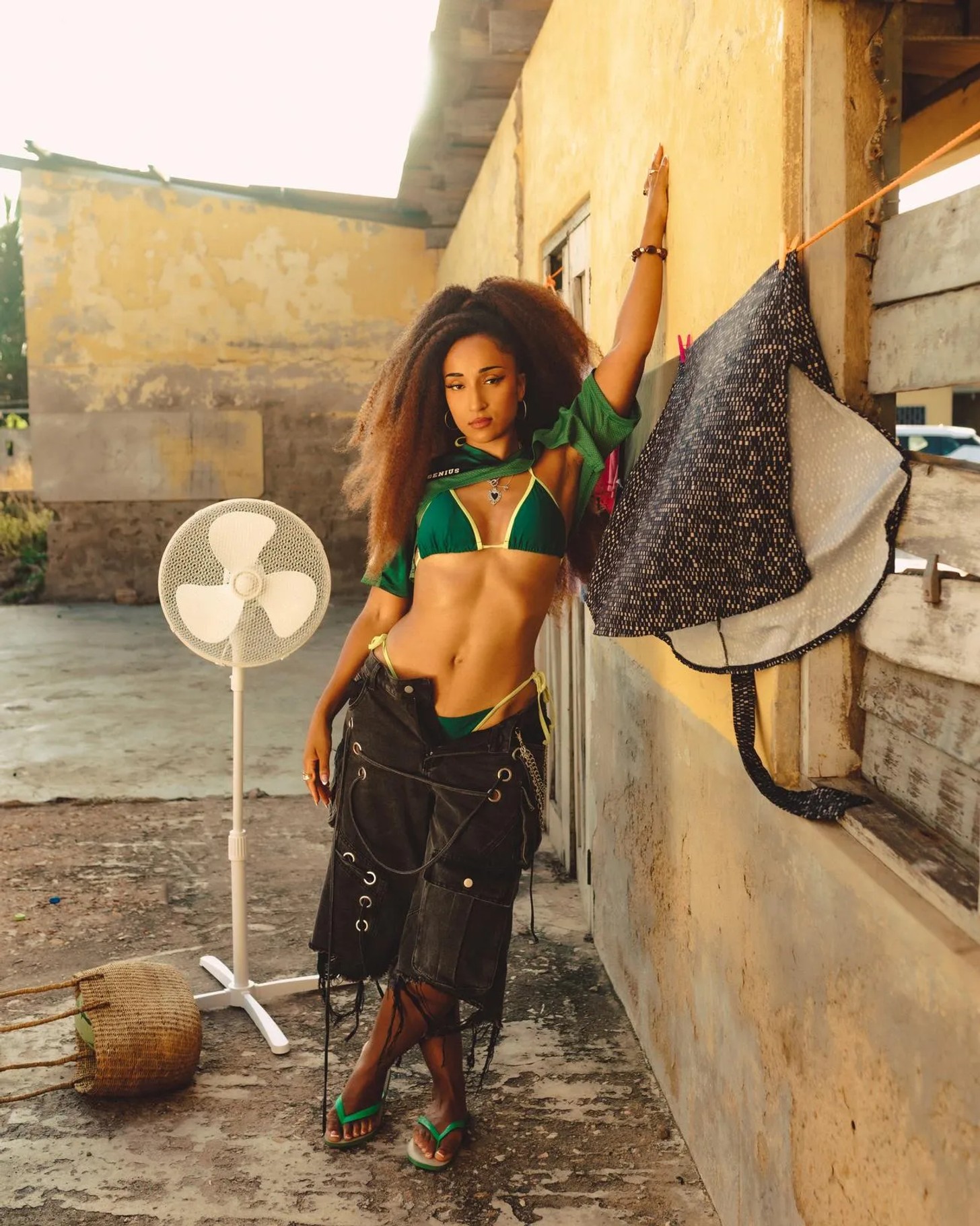
GLAMOUR: You've worked closely with producer Soulbase over the years. How has that creative relationship evolved, and how important has that partnership been in shaping the sound and emotional identity of this new body of work?
Akuvi: We have a musical chemistry that is unmatched. We are very aligned and I feel like he really gets my complex expression. We have been working together for 6 years and still going strong. I’ve also explored other producers for this project, including N1CO, who produced Therapy. This is also helping unlock new sides of my artistry.
GLAMOUR: Your music brings together soulful R&B, Afrobeats, and hip-hop, reflecting your Ghanaian roots and Norwegian upbringing. Having lived between these different cultural worlds, have you ever felt pressured to choose one identity over the other, or have you reached a point where you fully embrace both?
Akuvi: I think all creatives tell stories based on their influence. And for me, that has always been R&B, Afrobeats, dancehall and hiphop. The fact that I make a fusion of these genres is quite natural and obvious, if you ask me. The «Norwegian» side could be boiled down to generally being from the African Diaspora. These are all black genres, and a lot of people who grew up in the west were exposed to the exact same style of music that their community exposed them to. As an African diasporan, we are exposed to West African music, as well as Congolese, Caribbean, and even Turkish and Arab. As well as R&B and hiphop from the USA. My music is an authentic blend of what I’ve been exposed to and fallen in love with.
GLAMOUR: You've also built an impressive career beyond music, including voicing Dolores in Disney's Encanto and Karma in Netflix's Karma's World. How does stepping into another character's story compare with expressing your own experiences and emotions through songwriting?
Akuvi: I recently landed the role of Jo in The Forgotten Island, which is a Dreamworks animation movie. That character felt very close to home. The process of doing voice over can be quite similar to song writing, in the sense that you deeply tap into a scene or an experience, lived or imagined. I love both.
GLAMOUR: Having performed internationally and built a presence across Ghana, Norway, and other markets, how do you see the global perception of African music evolving? Where do you think artists from the African diaspora fit into this increasingly interconnected music landscape?
Akuvi: The diaspora is one of the main consumers of the African music market, but we are also part of shaping its outlook. Many people are unaware of the diasporic background of some of our biggest stars in Afrobeats, including people like Tiwa Savage from Nigeria or Wendy Shay from Ghana, or Moliy who’s Ghanaian-American, or producers like Kel P Vibes and Sarz, who are based in Europe . It is all interconnected and will continue to be so.
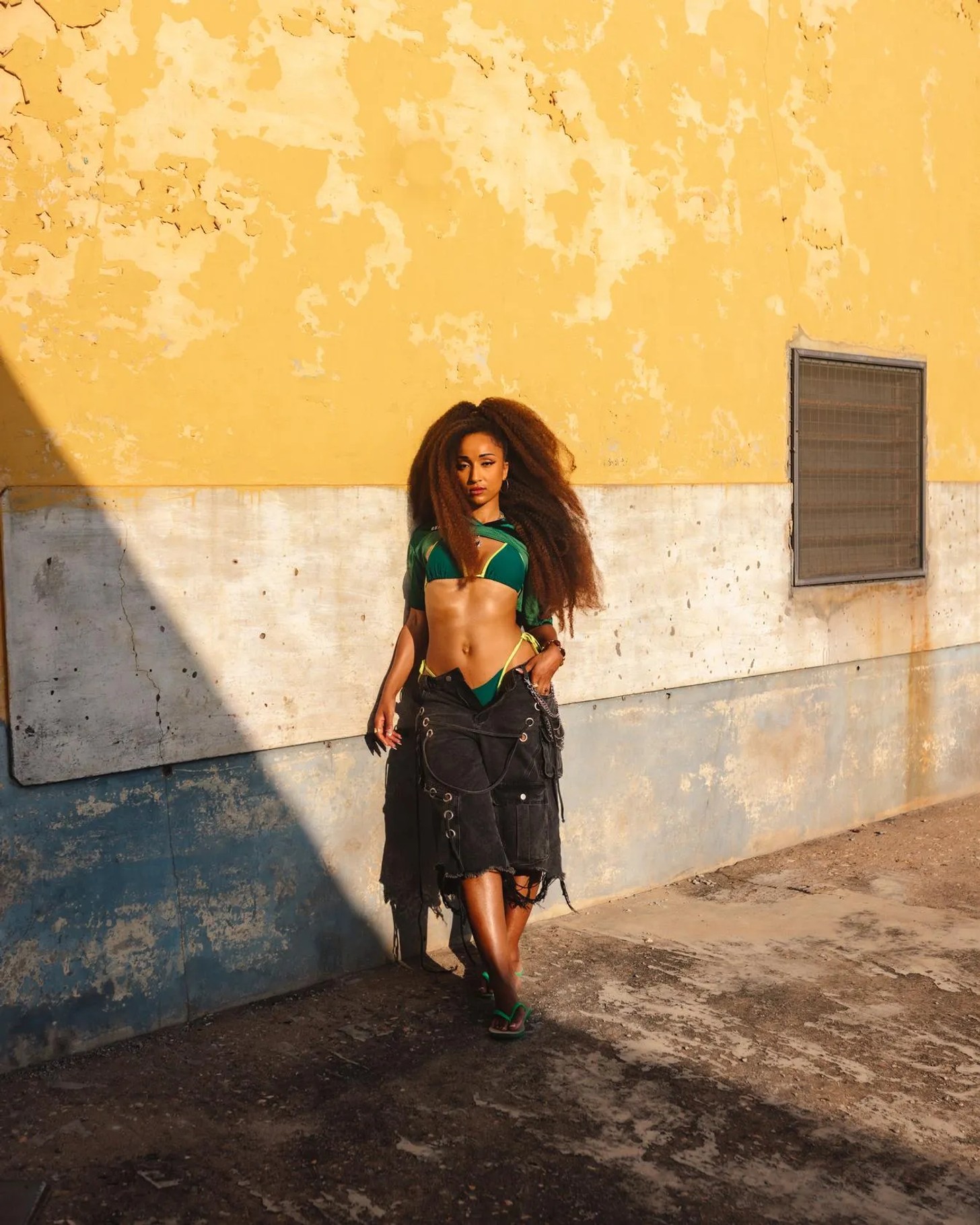
GLAMOUR: Looking back on this year, what has been your biggest personal lesson? Is there anything you've had to unlearn, release, or become more intentional about as you navigate both your personal life and career?
Akuvi: Good question. There are a few things. 1. Trust the process. It is human to feel frustrated when things seemingly aren’t going as you wish or planned, but if you continue doing your part consistently, you might reach a place where all the skills acquired while «waiting» was really training and preparation. We’re putting in the reps, and the strength built is actually a blessing and sought after skills. 2. Being independent makes you a CEO. What a dope perspective shift. Because who will care more about your business and career than you? This doesn’t mean you should do everything yourself, but it means it's a good thing to be the boss of your work and career trajectory.
GLAMOUR: How would you define your current era, and the energy you're stepping into in 2027?
Akuvi: We are living, writing and releasing things as if it's our last chance. I have realised that we tend to put things off because we are scared, but we justify it by saying it's not the right time. In reality, most of us should jump off that cliff and just start swimming. I plan and strategise but right now I place more value on just going for it, than to execute ‘Perfectly and Delayed.’ Have a great feeling about this song? Drop it. Have a dope idea for a visual concept? Don't save it for the best time, do it now! Want to become fit? Start now, not in January. I am moving with a sense of urgency, and it gives me energy. Fail forward.
GLAMOUR: As you prepare for the release of your 2027 album, what do you hope audiences will understand about you that they perhaps haven't before? And if "I Know Who I Am" is your statement of where you stand today, what statement do you want to make next?
Akuvi: I want to inspire people, especially women, to take more risks, express themselves freely and to bet on themselves. I also want to encourage people to speak their mind. I was in a toxic relationship with a controlling man who wanted to police my song writing, social media and self expression. I know now that he was simply insecure and that there was nothing wrong with my self expression. I know a lot of girls are in that exact position right now. What would happen if you started living for you, and trusted that those meant to be in your life should love you exactly as you are, not on the condition that you must dilute your spirit or dim your light? I actually hope this album triggers some people, that it activates their calling to be their true selves. And I hope it shakes the boots of people who want us to be silenced.
Listen to “I Know Who I Am” now on all major streaming platforms
Recent stories by:
Thobeka Phanyeko

Wondering if you’re battling burnout or end-of-year fatigue? COMENSA Registered Master Life Coach, Judy Klipin weighs in…

Fans React to Love Is Blind South Africa Premiering on Netflix This December

Rethinking the Crown: Why Miss South Africa's Modern Evolution Matters

Founder of LEO SZN, Kirsten Leo on blending creative vision, business acumen, and fashion law to elevate homegrown talent onto the global stage


