
Social Media Strategist and PR, Influencer Relations & Brand Experience Specialist across AYANA, Refinery, Refinery Junior, and OSMO, Konaye Dlautu shares her approach to finding the heart in every brief, turning self-doubt into momentum, and what true presence looks like both in and out of the boardroom.
GLAMOUR: You describe the best ideas as sitting between “people will love this” and “this makes sense for the brand” . Can you walk us through a specific campaign where you had to fight for the “people will love this” side?

Konaye: I’ve learnt that “fight for” doesn’t always mean being the person who came up with the idea. Sometimes it’s recognising when the team has created something special and helping that story travel. AYANA’s Holding campaign is a beautiful example. I was part of the wider team, with my role sitting across brand, PR and influencer marketing. For me, it was about asking: Who needs to see this? Who will feel something when they do? And how do we get it in front of the right eyes? A beautiful story deserves the right audience.
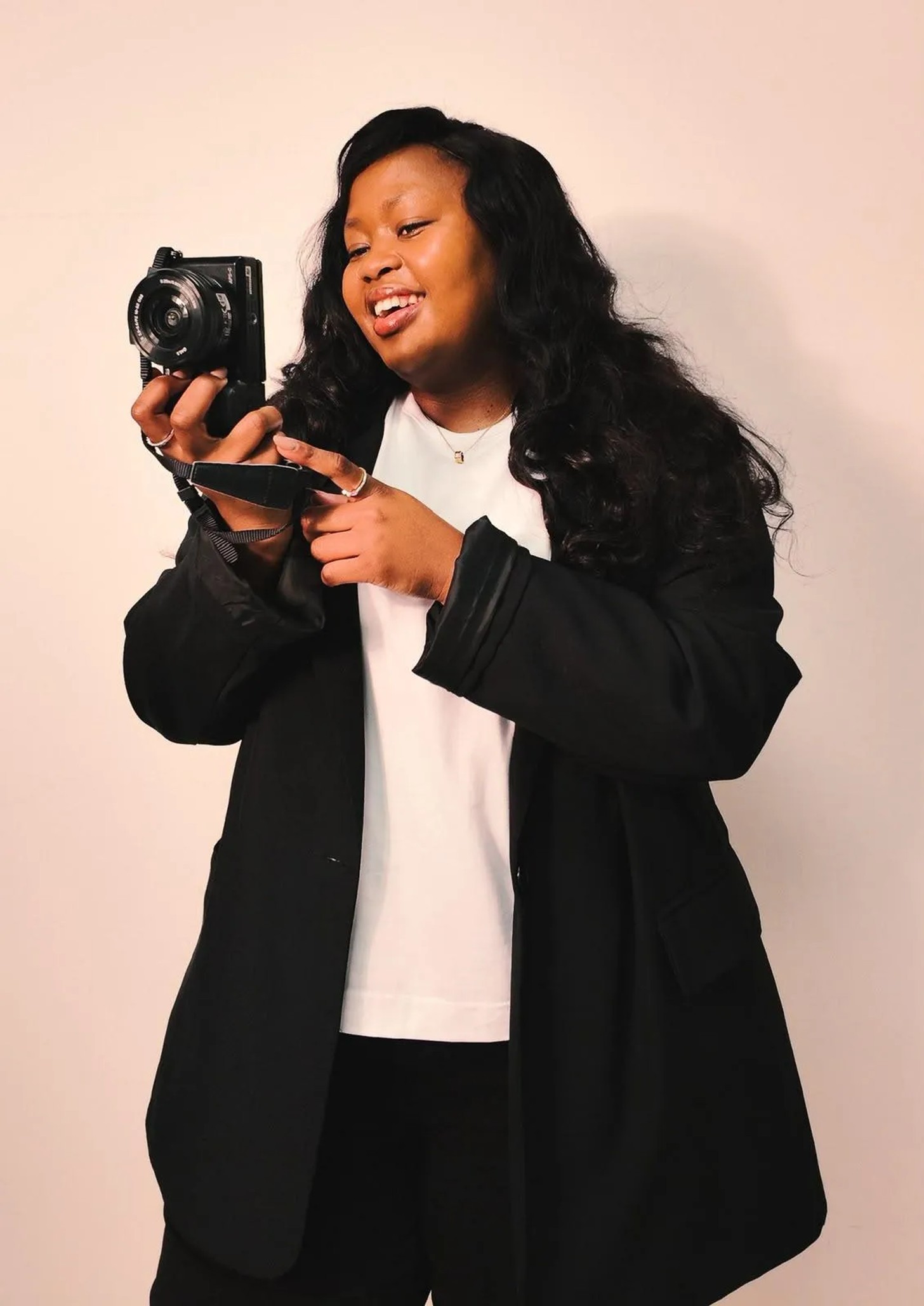
GLAMOUR: Baking, colouring, styling outfits, which of those childhood instincts shows up most in your work today, and which one surprised you by becoming useful professionally?
Konaye: Styling probably shows up the most. I’ve always loved putting things together and finding beauty in combinations other people might not immediately see. But all those little creative things taught me something bigger: you have to put a little bit of your heart into what you make. I can follow a brief perfectly, but the work that really connects is usually where I’ve added something of myself, how I would want to experience it or what would make me feel something. You respect the brief, but you pour a little heart into it. People can feel the difference.
GLAMOUR: You’ve mentioned learning to say “I don’t know yet, but I’ll find out” — what was the moment that taught you that was a strength rather than a weakness to hide?
Konaye: My career has put me in many rooms where I’ve had to learn while doing. I used to think confidence meant having all the answers; now I think it’s trusting yourself enough to find them. I’m comfortable saying, “I don’t know yet, but I’ll find out.” I’ll ask, research, call someone who knows more than me, and come back. Curiosity has taken me much further than pretending to know everything ever could.
GLAMOUR: What does self-doubt actually sound like in your head on a hard day, and what’s your go-to move to quiet it?
Konaye: Usually: “Are you sure you can pull this off?” And strangely, that voice is loudest when I’m about to do something that will stretch me. My answer to it is to start. Send the email. Make the call. Write the first line. There are things I do confidently today that once terrified me. I’ve learnt that sometimes confidence doesn’t come before you do the thing; doing the thing is what gives you confidence.
GLAMOUR: Your grandmother saw your creativity before you had language for it. What's something she said or did that you now catch yourself repeating, almost verbatim, with someone junior to you?
Konaye: My grandmother had a beautiful way of making people believe they were capable. I watched her teach women in our community to read and write their names, always meeting people where they were and never making them feel ashamed of what they didn’t know. I think that lives in me now. I’m very much a “Try it. We’ll figure it out” person. Sometimes someone believing in you is all you need to begin believing in yourself.
GLAMOUR: “Konaye” means presence. Has the way you define presence changed since you first started thinking of your name that way?
Konaye: Completely. When I was younger, presence meant being noticed when you entered a room. Now, I think more about what remains after you leave. Did people feel seen? Did I make space for someone else? Did I leave the work, the room, or the person a little better than I found them? I still want to have a presence. I just no longer think presence needs to be loud.
GLAMOUR: Those inherited dresses, is there one specific piece with a story you’d want GLAMOUR readers to know?
Konaye: There’s something incredibly special about wearing a dress that had a whole life before it found its way to me. Some of the pieces I’ve inherited travelled with the women in my family through different places, occasions and chapters of their lives and somehow, all those years later, they’ve landed in my wardrobe.
What I love even more is looking at the labels and discovering that some came from boutiques and fashion houses I now only come across in old fashion magazines and archives. It makes each piece feel like a little time capsule. When I wear one of those dresses, I’m not trying to recreate the past; I’m giving something that was loved before me another life, in my own way
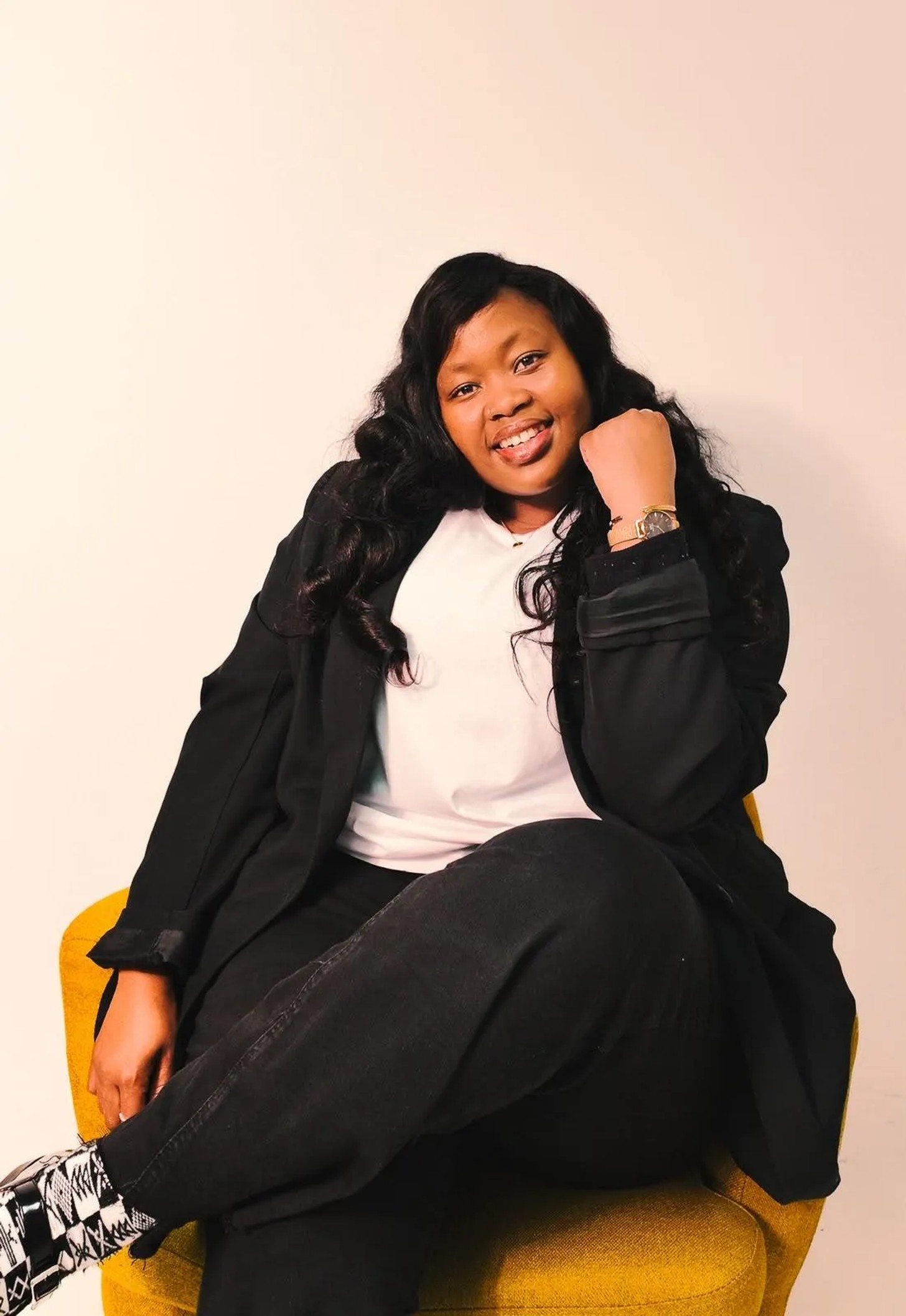
GLAMOUR: You said “give women opportunities before they feel completely ready”, can you think of a time someone did that for you, and what it unlocked?
Konaye: So much of my career exists because someone trusted me with something I hadn’t done before. Those moments taught me that we sometimes misunderstand readiness. We think confidence must come first and then the opportunity, when sometimes the opportunity is exactly what builds the confidence. There’s something powerful about someone saying, “I see something in you. Go.”
GLAMOUR: What does it look like, practically, for you to “open a door” for another woman at Pepkor right now?
Konaye: For me, opening doors often starts with paying attention to the people around me and remembering what they do exceptionally well. I’ve built relationships with so many talented women across the industry, and when the right opportunity comes up, I’m intentional about bringing the right names into the conversation. From there, the work speaks for itself, and the team decides what feels right. But I think there’s something meaningful about being remembered in rooms you haven’t entered yet. Sometimes an opportunity begins simply because someone thought of you when it mattered.
GLAMOUR: You’re clear that the creative economy is bigger than influencers, for a young woman who wants to be a strategist or copywriter but doesn’t know those jobs exist, where should she start looking?
Konaye: I’d tell her to become curious about how things are made, not just who you see at the end of them. A campaign might introduce you to an influencer or a beautiful image, but behind it is an entire ecosystem of people shaping the idea, the words, the strategy, and how it reaches you. Pay attention to the credits, follow the people whose work makes you curious, and don’t be afraid to ask what they actually do. So many creative careers are discovered simply by looking a little further than what’s in front of you. Sometimes you don’t know your dream job exists until you discover the person already doing it.
Recent stories by:
Thobeka Phanyeko

A snaphot of our Spring/October Cover Story featuring Lebo Lion, Pamela, Lesego, Cleo, Auctavia and Oratile Masedi

Matric Dance Season: Inside dynamic mother-daughter duo, Thuli and Sisonke Mgwebile’s glamorous journey

Book Review: You’re Not Listening by Kate Murphy is a must-read for better communication

Wellness Wednesday: This is why awareness without compassion can harm you


