
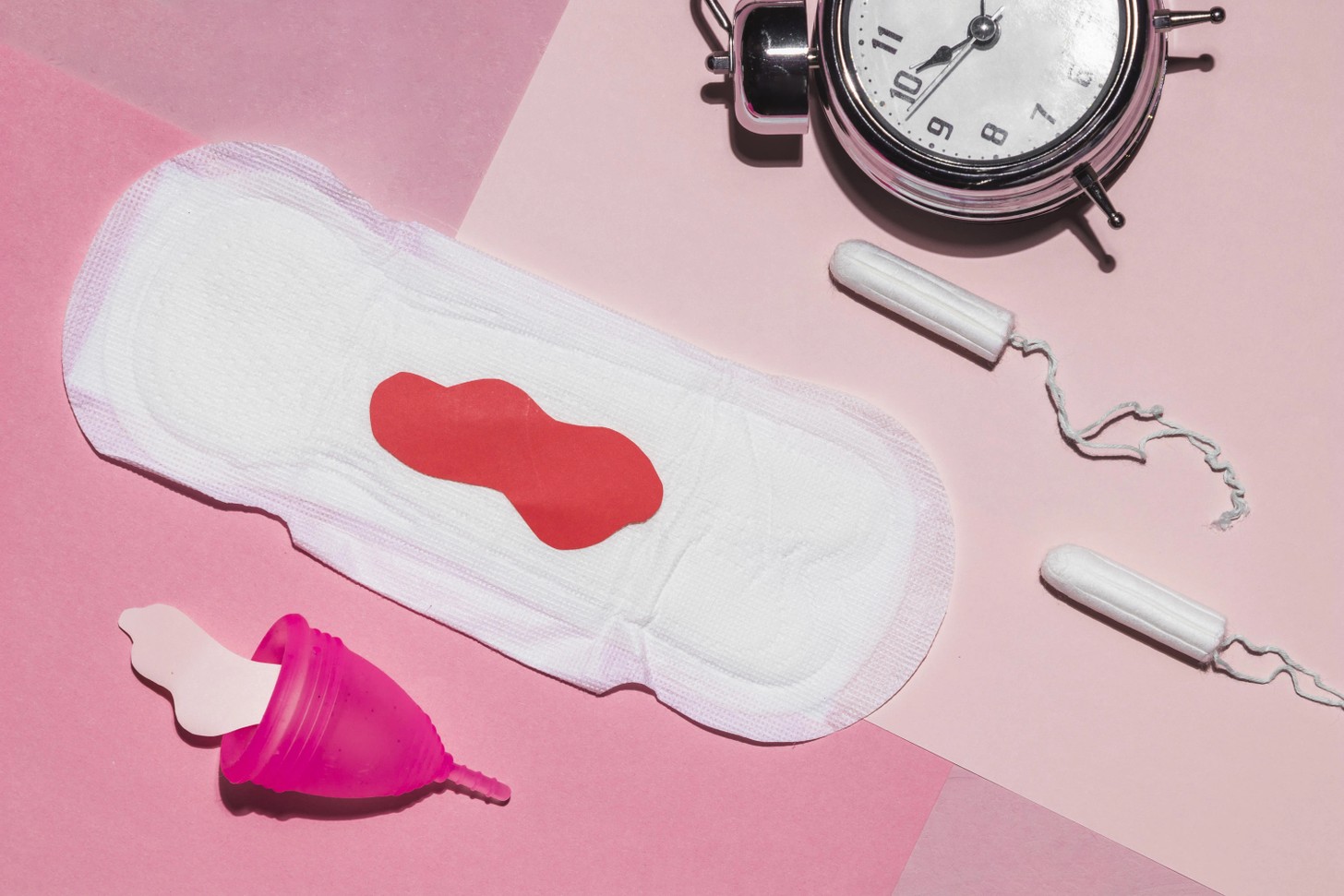
Your period is late, you’ve taken a pregnancy test, and the result is negative. So, what’s going on?While pregnancy is one of the first things many people consider when a period doesn’t arrive, it isn’t the only reason your menstrual cycle might be off. Your period is influenced by a complex relationship between your brain, ovaries and hormones, which means changes in your health, lifestyle or stress levels can sometimes affect when it arrives.
According to the UK’s National Health Service (NHS), missed or late periods can have several causes, including stress, sudden weight changes, excessive exercise, polycystic ovary syndrome (PCOS) and thyroid conditions. Sometimes, cycles simply vary from month to month.
One late period doesn’t automatically mean something is wrong. But if your cycle has changed noticeably or your period has disappeared altogether, it’s worth understanding the possible reasons.
5 reasons your period might be missing
1. Stress could be affecting your cycle
Work deadlines, financial pressure, relationship changes or a particularly demanding season of life can affect more than your mood. Stress can interfere with the brain signals that regulate reproductive hormones, potentially delaying ovulation and, as a result, your period.
The Mayo Clinic explains that mental stress can temporarily alter the function of the hypothalamus, the part of the brain involved in controlling the hormones that regulate menstruation.
In other words, if life has been a lot lately, your cycle may respond, too. That doesn’t mean stress is necessarily the cause, so don’t dismiss a persistent change as simply needing to relax.
2. Changes in your weight, eating habits or exercise routine
Have you recently lost weight, changed your diet, started exercising more intensely or found yourself eating less than usual? These changes can affect the hormones responsible for ovulation and menstruation.
According to the Mayo Clinic, eating too few calories and engaging in rigorous exercise can suppress the brain's hormonal signals that help regulate the menstrual cycle.
This is particularly important if you’ve increased your training while cutting back on food. Your body needs enough energy to support its everyday functions, including reproduction.
3. Polycystic ovary syndrome (PCOS)
If your periods are frequently irregular, or disappear for months at a time, PCOS is one possible explanation.
PCOS is a hormonal condition that can affect ovulation. Other signs may include acne, increased facial or body hair, thinning hair on the scalp and changes in weight. However, symptoms vary, and not everyone experiences the same combination.
The NHS lists PCOS among the common causes of missed or late periods.
A missed period alone does not mean you have PCOS. A healthcare professional can assess your symptoms and determine whether further examination or testing is needed.
4. Your thyroid might be playing a role
Your thyroid may be small, but the hormones it produces help regulate your metabolism and influence several bodily functions, including your menstrual cycle.
Both an underactive thyroid (hypothyroidism) and an overactive thyroid (hyperthyroidism) can contribute to irregular or absent periods. Depending on the condition, you might also notice unusual tiredness, changes in weight, sensitivity to heat or cold, or changes in your heart rate.
The NHS identifies thyroid conditions as a possible cause of periods stopping. A doctor can investigate this with blood tests if your symptoms suggest a thyroid problem.
5. Hormonal contraception or perimenopause
If you use hormonal contraception, a change in your bleeding pattern may be an expected effect. Some contraceptive pills, hormonal injections, implants and hormonal intrauterine systems can make periods lighter, less frequent or stop altogether. Your cycle may also take time to return after stopping certain methods, particularly injections.
Age can also be a factor. Perimenopause, the transition leading up to menopause, can cause periods to become irregular and eventually stop. Although it commonly begins between 45 and 55, hormonal changes can occur earlier, and absent periods should not automatically be attributed to age.
Both hormonal contraception and perimenopause are recognised causes of missed periods by the NHS and Mayo Clinic.
What should you do if your period still hasn't arrived?
First, if pregnancy is possible, remember that a negative home test may not always be conclusive if you tested too early. Follow the test instructions and consider repeating it after a few days if your period still hasn't arrived. If you're unsure, a healthcare professional can advise you about further testing.
If pregnancy has been ruled out, keep track of your cycle and any other changes you’ve noticed, including pain, acne, unusual tiredness, weight changes or increased facial hair. This information can help your doctor work out what might be happening.
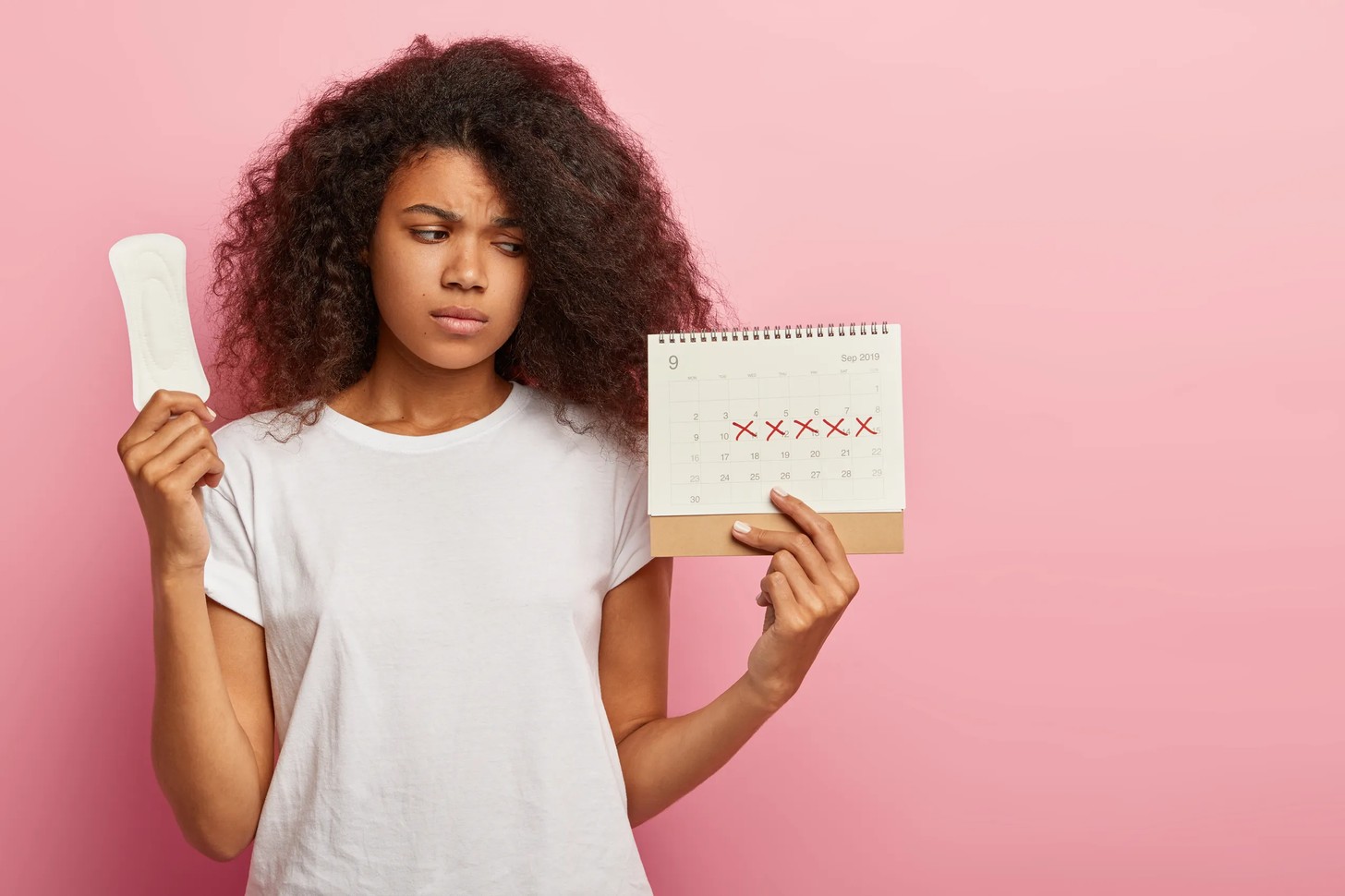
The NHS advises seeing a GP if you’ve missed three periods in a row, if your periods have become irregular, or if a missed period comes with symptoms such as unexplained weight changes, tiredness or increased facial hair. You can seek medical advice sooner if you’re concerned.
If you have severe abdominal or pelvic pain, fainting or significant dizziness, seek urgent medical attention, particularly if pregnancy is still possible.
A doctor may recommend a pregnancy test, blood tests to check your hormone or thyroid levels, or an ultrasound, depending on your symptoms and medical history. Treatment, if needed, depends on the underlying cause.
Missing your period when you’re not pregnant doesn’t automatically mean something serious is wrong. Your cycle can respond to changes in stress, nutrition, exercise, hormones and overall health. But your period is also one way your body signals that something may need attention, so if it keeps disappearing, don’t ignore it or try to force it to return with unverified home remedies.
This article is for general educational purposes and is not a substitute for individual medical advice.
Recent stories by:
Sindeka Mandoyi

10 Chic gifts for your mother-in-law who’s still that girl

Africa Now Radio with Nandi Madida to reach more South African listeners through Y

Navi Pillay: 5 Things to know about South Africa's 2026 Nobel Peace Prize Winner

Rapsody on God Gotta Afro and Gold Hoops, black identity and her connection to South Africa


