
Wine can feel more complicated than it needs to be. In reality, a few small changes to how you serve, pour, and taste it can make a noticeable difference, whether you are opening a bottle at home or ordering one over dinner.
“Good wine etiquette is really about getting more enjoyment from the bottle,” says Bianca Leonard, Brand Manager at lifestyle technology specialist Solenco. “You do not need years of wine knowledge. Often, it is the small details that make the experience feel more considered.”

Get the temperature right
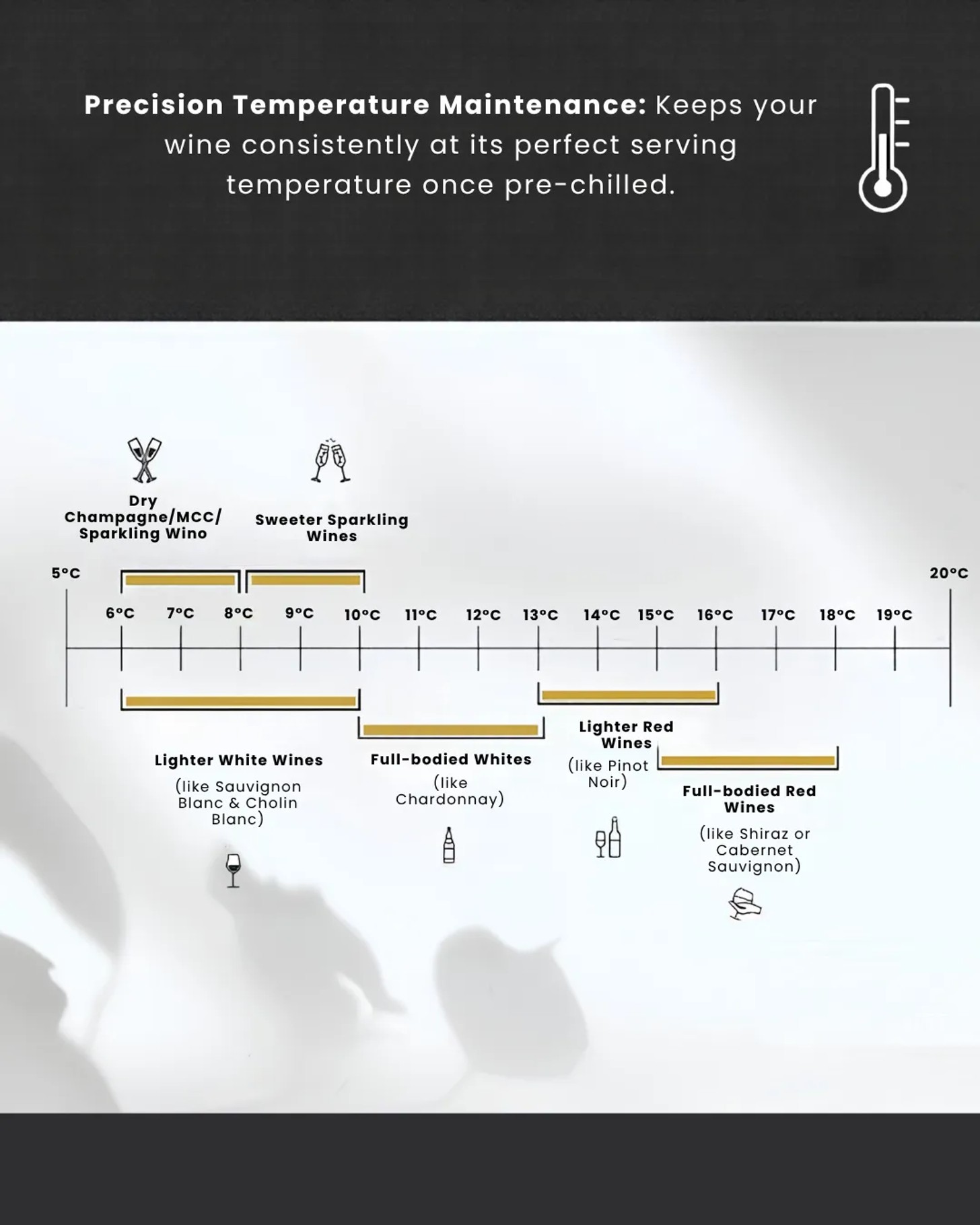
Temperature can change how a wine tastes, and “room temperature” is not always helpful advice during a South African summer.
Reds generally taste better when they are slightly cooler than a warm room, while whites and sparkling wines need more of a chill. The key is to avoid either extreme: wine that is too warm can lose freshness and definition, while serving it too cold can mute its aromas and flavours.
Once the bottle is where you want it, keeping it there is useful too. Traditional ice buckers work well for keeping wine cold, but they can continue to chill the bottle beyond its ideal serving temperature.
“We’re seeing more attention being paid not only to chilling wine, but to keeping it as its optimal temperature,” says Leonard. “Precision wine coolers are offering a more elegant alternative to ice buckets, giving hosts greater control over taste, and ensuring the last glass is every bit as enjoyable as the first.“
Let it breathe without overthinking it
Simply opening the bottle does not expose very much wine to the air.
Pouring it into the glass and giving it a gentle swirl does far more. Taste it after a few minutes. If it seems to open up as you drink, give it a little more time.
Sparkling wine is best left alone here, since vigorous swirling will also encourage those bubbles to disappear.
Know when to decant
Not every bottle needs the full decanter treatment.
Older wines may need decanting because of sediment, while some younger wines simply benefit from a little more air. If the wine already smells and tastes expressive after opening, there is no need to complicate things.
But getting the decanting right also means coming back to temperature. Once wine is poured into a decanter, it can begin moving towards room temperature, so there is little point carefully aerating a wine only to serve it warmer than you intended.
“Decanting and temperature really go hand in hand,” says Leonard. “Giving a wine time to breathe can help bring out its character, but you still need to think about the temperature it will be at when it reaches the glass.”
Leave some space in the glass
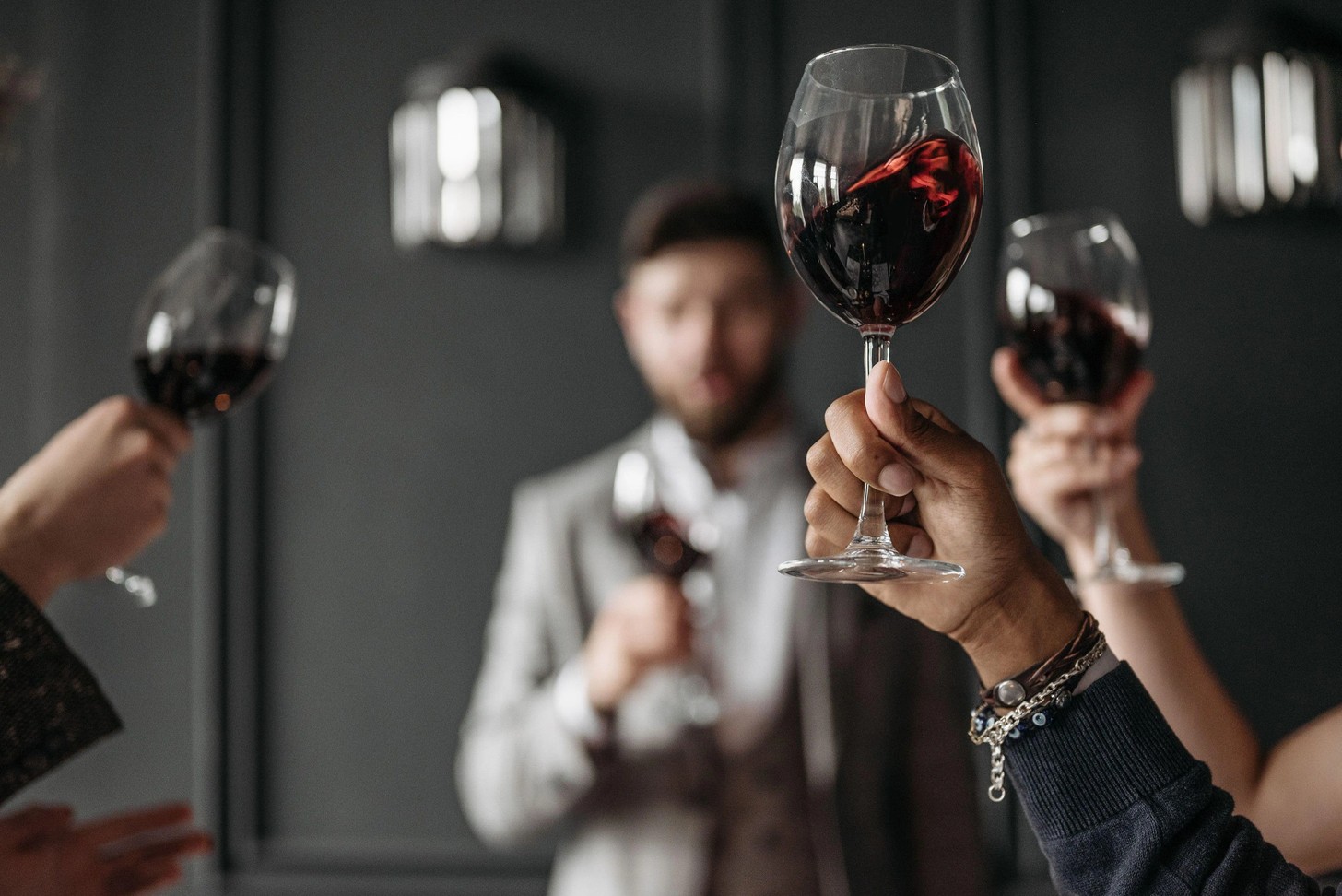
Filling a wine glass to the top may look generous, but it makes the wine harder to enjoy.
Leave enough room to swirl it comfortably and pick up more of the aroma. Wine Folly’s pouring guide also points out that serving sizes will differ depending on the glass and occasion.
Know what that first taste is for
When a waiter pours a small amount for you to taste, you are not being asked to give the wine a score.
The purpose is simply to check that the bottle is sound. Give it a smell and take a sip. If you notice a clear fault such as cork taint or oxidation, raise it with the server. If the wine is sound and simply not to your taste, that is something different.
“Wine should feel like part of the occasion rather than something you need to study first,” Leonard says. “Get the temperature and aeration right, give the wine some room in the glass, and take a moment to taste it properly. Small changes like these can make the whole experience more enjoyable.”


