
Freedom is one of those words that means something different to everyone. For some, it's financial security and the ability to make decisions without limitation. For others, it's the courage to reinvent themselves, speak their truth unapologetically, or simply choose a life that feels aligned with their values rather than society's expectations.
As South African women continue to navigate changing social norms, economic realities, and personal milestones, the definition of freedom has become increasingly personal. It's no longer just about rights and opportunities, it's about agency, authenticity, wellbeing, and the ability to shape a life on your own terms.

As conversations around empowerment continue to evolve, we asked a group of South African women a simple but powerful question: What does freedom look like to you in 2026? Their responses reveal a common thread of self-determination, while also highlighting the many different ways freedom can be experienced, claimed, and celebrated.
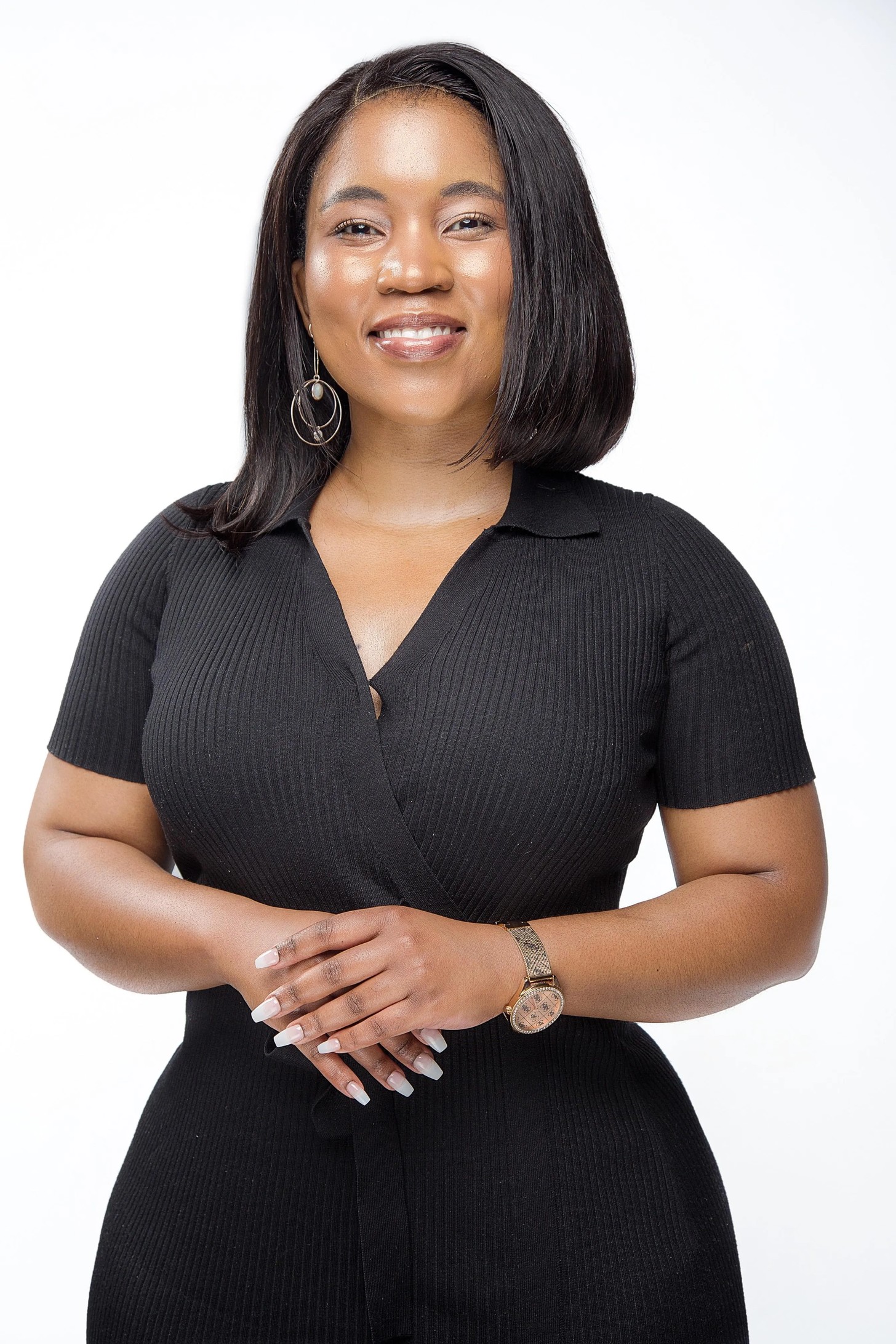
FNB Senior Economist, By Koketso Mano
As an economist, I'm often asked about growth, inflation, employment, and interest rates. Rarely am I asked about freedom. Yet, the older I get, the more I realise that the two conversations are inseparable.
We like to imagine freedom as something philosophical, a value enshrined in a constitution or commemorated on a public holiday. However, in everyday life, it is often remarkably practical. It looks like choice. And choice, more often than we'd like to admit, has an economic dimension.
Freedom feels complex for many South African women. We are discussing it at a moment when, on paper, we have access to opportunities, platforms and possibilities that previous generations worked tirelessly to achieve. Yet, we are also navigating rising living costs, technological disruption, climate uncertainty, geopolitical tensions, and labour markets that often leave us feeling both excited and unsettled.
In theory, our choices have expanded. In practice, those choices are not experienced equally.
A young woman starting her career in Johannesburg, a student in Mthatha, an entrepreneur in Polokwane, a teacher in Klerksdorp or Bloemfontein, and a farm worker in Paarl may all define freedom differently. Their realities are shaped by different opportunities, responsibilities, and constraints. But beneath those differences lies a common aspiration: the desire to have agency over one's own life.
Perhaps, that is why I have always been fascinated by one of the enduring misconceptions about economics: the idea that it belongs exclusively to economists, that it lives in textbooks, policy papers and boardrooms.
In reality, economics lives in places where people make decisions about scarce resources, competing priorities, and future possibilities. Long before I studied economics formally, I watched women around me make economic decisions daily.
Economic choices unfolded in kitchens, where women stretched incomes to meet household needs; around family tables, where investments were debated; at stokvels, where resources were pooled to build collective security, and at community gatherings, where reciprocity was sustained.
What they managed was not only money but opportunities. Creating it where resources were scarce, protecting it in hard times, and extending it to the next generation.
In many ways, these women practiced economics as an act of care. And that is precisely why I have come to think about freedom differently.
Freedom is often described as the absence of constraints. But for many women, it is better understood as the ability to make meaningful choices within the realities of our lives. The freedom to leave a situation that no longer serves your wellbeing is shaped by whether you can support yourself financially. The freedom to pursue a dream career often depends on whether you can afford to take risks. The freedom to start a business is influenced by access to capital, networks, and mentorship.
These realities do not diminish freedom; they remind us that it is closely connected to economic circumstances.
Women are adept at navigating trade-offs. We balance ambition with responsibility, personal goals with family obligations, and immediate needs with long-term hopes. We learn to ask not only, “What do I want?” but also, “What is possible right now?”
That question carries wisdom, but it also exposes an uncomfortable truth: liberty should not belong only to those who can afford risk.
South Africa has opened doors for women, yet access and opportunity remain unevenly distributed. In a country grappling with persistently high youth unemployment and wealth inequality, the gap between aspiration and opportunity is not theoretical; it is lived every day.
But this tension is not uniquely South African. Across the world, women navigate the promise of greater opportunity alongside persistent inequalities in economic security, caregiving responsibilities and access to work. The context may differ, but the underlying question resounds: how do we ensure that formal rights and expanded opportunities translate into meaningful freedom in everyday life?
Maybe, that is why so many women hold gratitude and ambition in equal measure. We can acknowledge meaningful progress while recognising that it has not been experienced uniformly. For some women, freedom is expressed through leadership, entrepreneurship and self-actualisation.
For others, it remains closely tied to the basics of safety, education, healthcare, and economic participation. Both realities coexist, and any honest conversation about freedom must make space for that complexity.
For me, freedom is about self-determination. It is the ability to make decisions about your future with a reasonable expectation that your effort, talent, and aspirations should translate into measurable outcomes. It is having enough security to plan beyond the immediate present and enough opportunity to pursue a life shaped by your values rather than solely by circumstance.
When I look at South African women, I see that spirit expressed every day, in successful businesses built against the odds, in thriving careers pursued despite barriers, and in the quiet determination to create better futures for those who come next.
It is in those everyday acts of self-determination that I find reason for optimism. If economics has taught me anything, it is that the most meaningful investments are those that expand people's choices. The women who taught me my earliest lessons in economics were not managing money alone; they were widening the possibilities available to those who came after them. Perhaps that is what it has always been about.
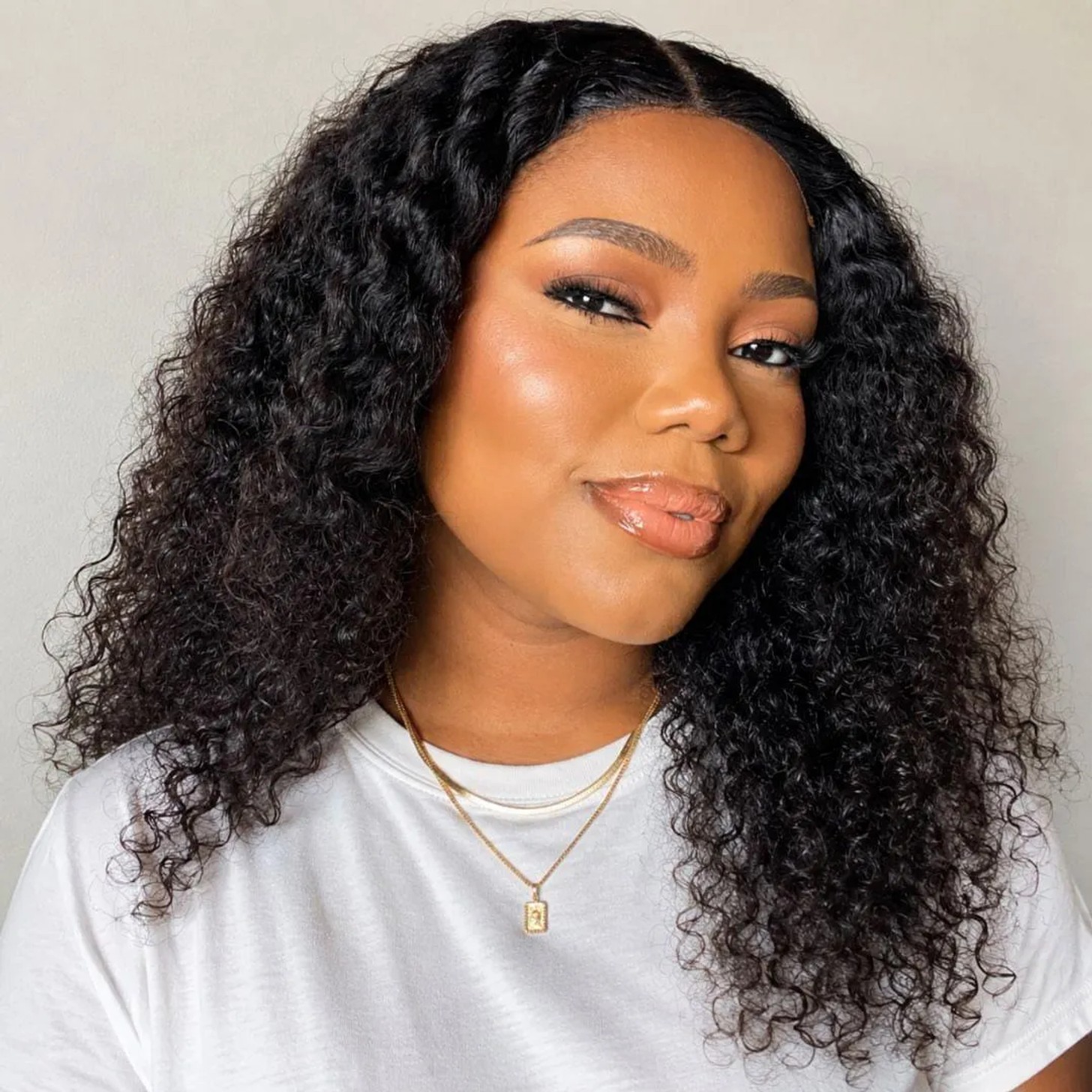
Lerato Mofokeng
Freedom, to me, is waking up with options, not obligations. It’s having the ability to choose where I invest my time, energy, and talents; building businesses that create impact, leading work that matters, and opening doors for others while still protecting my own peace. It’s financial independence, meaningful influence, and the confidence to say yes to opportunities that align with my purpose and no to those that don’t. Freedom is creating a life where success and wellbeing coexist, and where my path is defined by intention rather than circumstance.
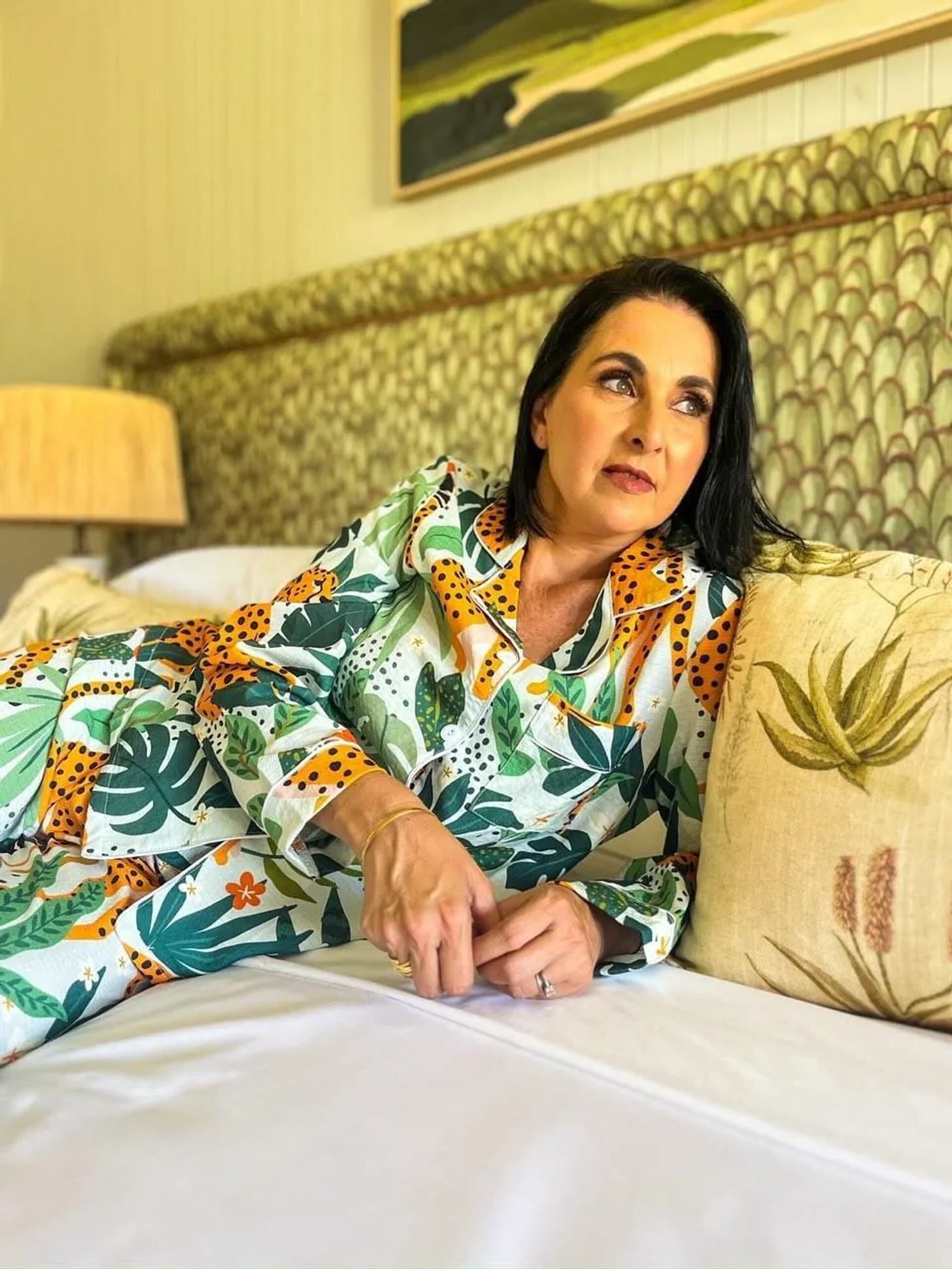
Melanie Martin
For a lot of women, freedom comes after 50! Aging, menopause definitely shows us who we really are and who we really want to be! I won’t lie, the last few years have been amazing and free!
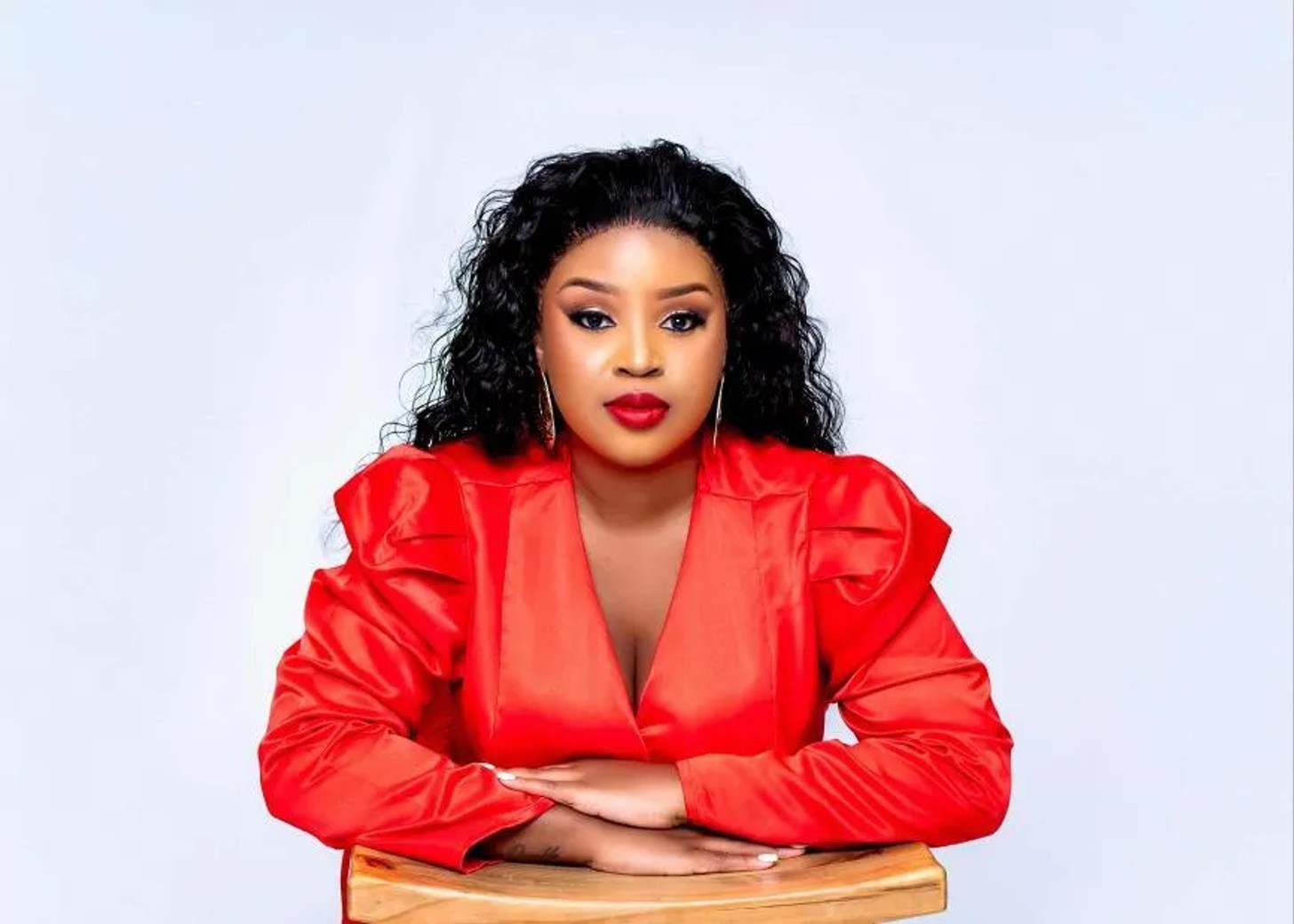
Mpumi Khumalo
Freedom looks like choice.
Had you asked me this a few years ago, my answer would have been completely different. In the past three years especially, I’ve had to re-evaluate and even grieve what I thought success would look like at my age.
Then, one day it hit me that I get to choose what my life would look and feel like.
So, I chose to start over.
Everyday, I get to choose to show up fully as myself in every space I enter. I no longer feel the need to compartmentalise parts of who I am to belong. My faith, my ambition, my femininity, my voice..they all get in the room with me! I choose what I want for dinner, I choose the work I want to pursue. I choose the people I want to build a life with and I choose the values that guide me. That’s freedom to me
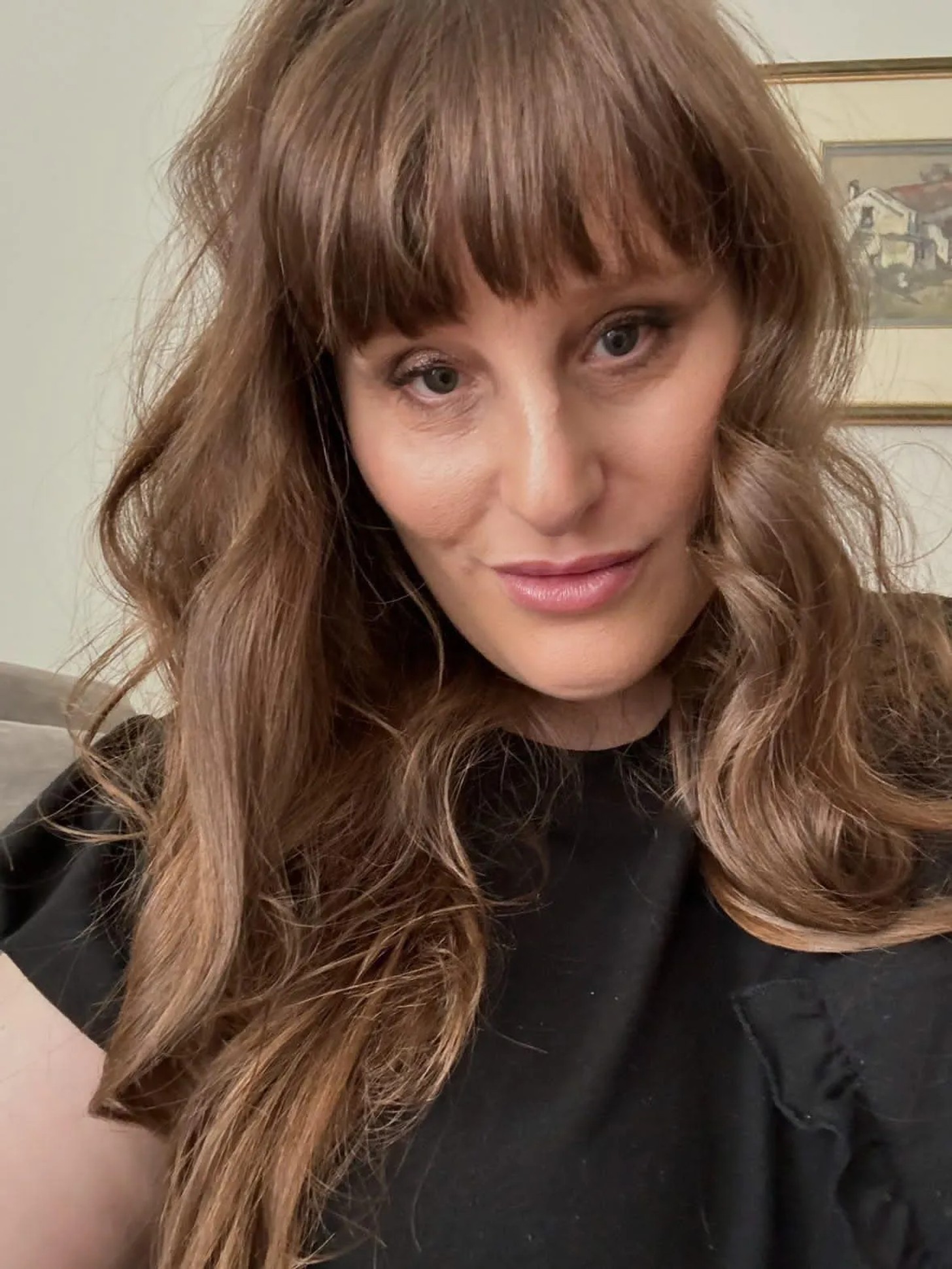
Tracey Cohen
It means saying what you feel with no consequence. It also means allowing space for other people to enjoy this freedom, even if what they say does not align with your beliefs.
Recent stories by:
Thobeka Phanyeko

Beyond International Day of the Girl Child, empower your daughter with financial literacy

Women in Charge: Annelene Dippenaar on Leadership, Inclusion and the Business of Real Impact

This is how you can avoid a low credit score

Motivation Monday: This is how you can shift from Financial Anxiety to Financial Clarity


