
There is something deliciously ironic about Yesteryear. Its central character, Natalie Heller Mills, has built a hugely successful online persona around the fantasy of a simpler life. She is the picture of domestic perfection: a wife, mother and homemaker living on a supposedly self-sufficient ranch, making bread, raising children and embracing traditional Christian values for millions of followers.
Except, like most things on social media, the picture is not quite what it seems.

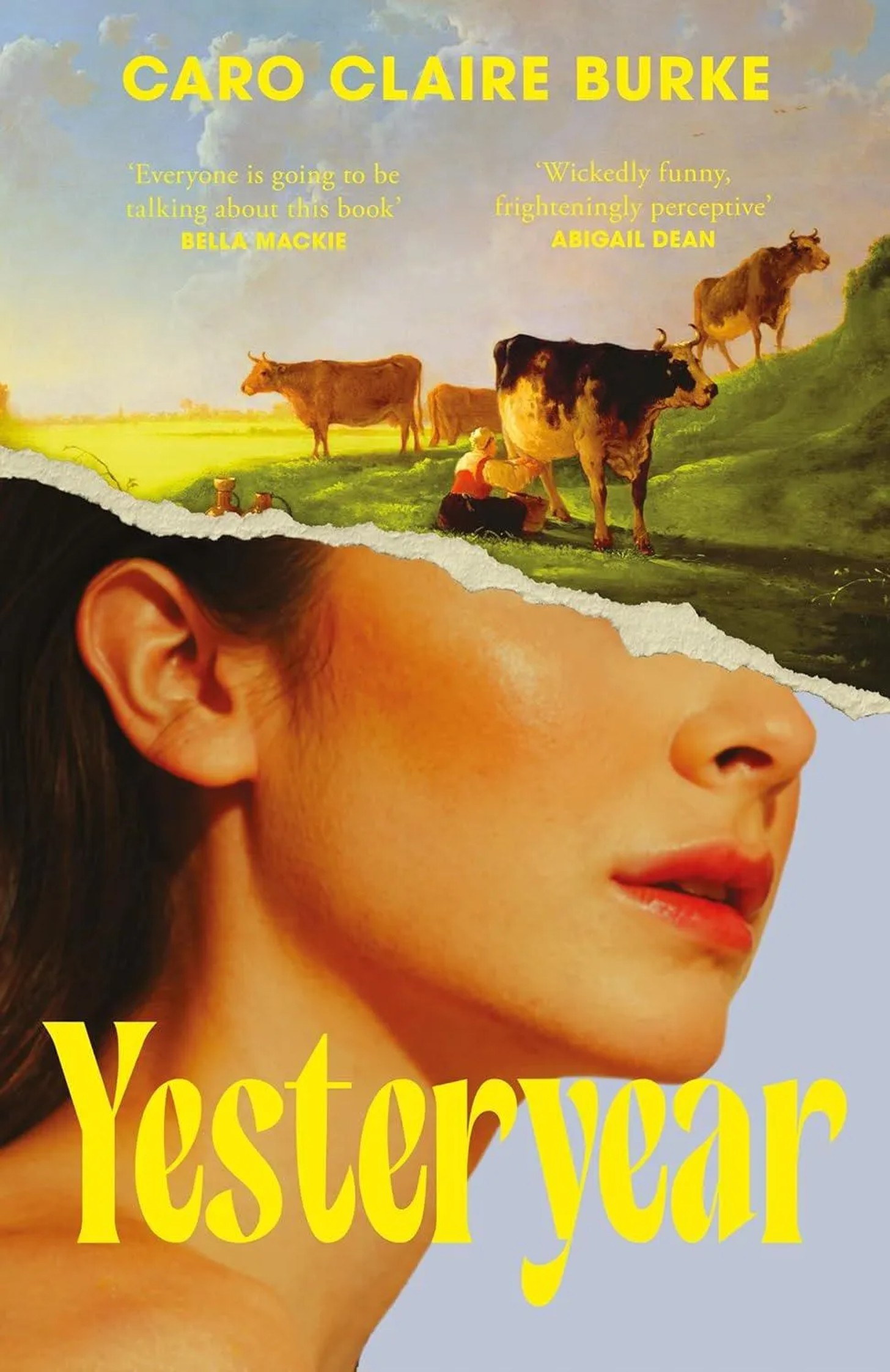
Natalie’s supposedly effortless lifestyle is propped up by nannies, farmhands and a producer who helps manufacture the content that has made her famous. Her husband is hardly the rugged, dependable cowboy her followers imagine him to be, and the idyllic ranch is far more complicated behind the scenes.
Then Natalie wakes up in 1855.
Suddenly, the woman who has made a career out of romanticising the past is forced to experience a version of it without modern plumbing, technology, convenience or the ability to simply close the app when things become uncomfortable.
And this is where Caro Claire Burke’s debut gets really interesting.
Rather than simply mocking the tradwife phenomenon, Yesteryear asks a more uncomfortable question: what happens when the fantasy you have sold to everyone else becomes your reality?
Burke uses Natalie to explore the gap between performance and authenticity, particularly when it comes to womanhood. Natalie has turned femininity into a brand, carefully constructing an image of the wife and mother she believes people want to see. Her value, both financially and socially, is tied to how convincingly she can perform that role.
The novel’s genius is that Natalie is not particularly easy to like. She is funny, vain, ambitious and deeply flawed. But that makes her far more compelling than a straightforward villain. The further we get into her story, the more Yesteryear becomes interested in how she arrived at this version of herself — and what she has sacrificed to maintain it.
The two timelines work particularly well in the first part of the novel. We see Natalie’s carefully constructed present alongside her increasingly terrifying experience in the 19th century, creating an almost constant tension between what she believes she wants and what she actually needs. Reviewers have praised the book’s intricate plotting, biting humour and its ability to turn the Instagram-versus-reality trope into something considerably more unsettling.
There is also something very timely about the novel. In an era when motherhood, femininity and domesticity are increasingly being packaged as aspirational lifestyles online, Yesteryear asks us to look beyond the aesthetic. What does “traditional” actually mean when the labour behind that lifestyle is often invisible? And who gets to enjoy the fantasy of opting out of modern life when someone else is doing the work required to sustain it?
That said, the book is not without its weaknesses. Its ambition occasionally exceeds its execution, particularly towards the ending, where some of the social commentary feels less fully explored than the premise promises. Several reviews have also pointed to the novel’s treatment of motherhood and some of its darker narrative choices as areas where Burke's ideas don't always land with the same precision as the early chapters.
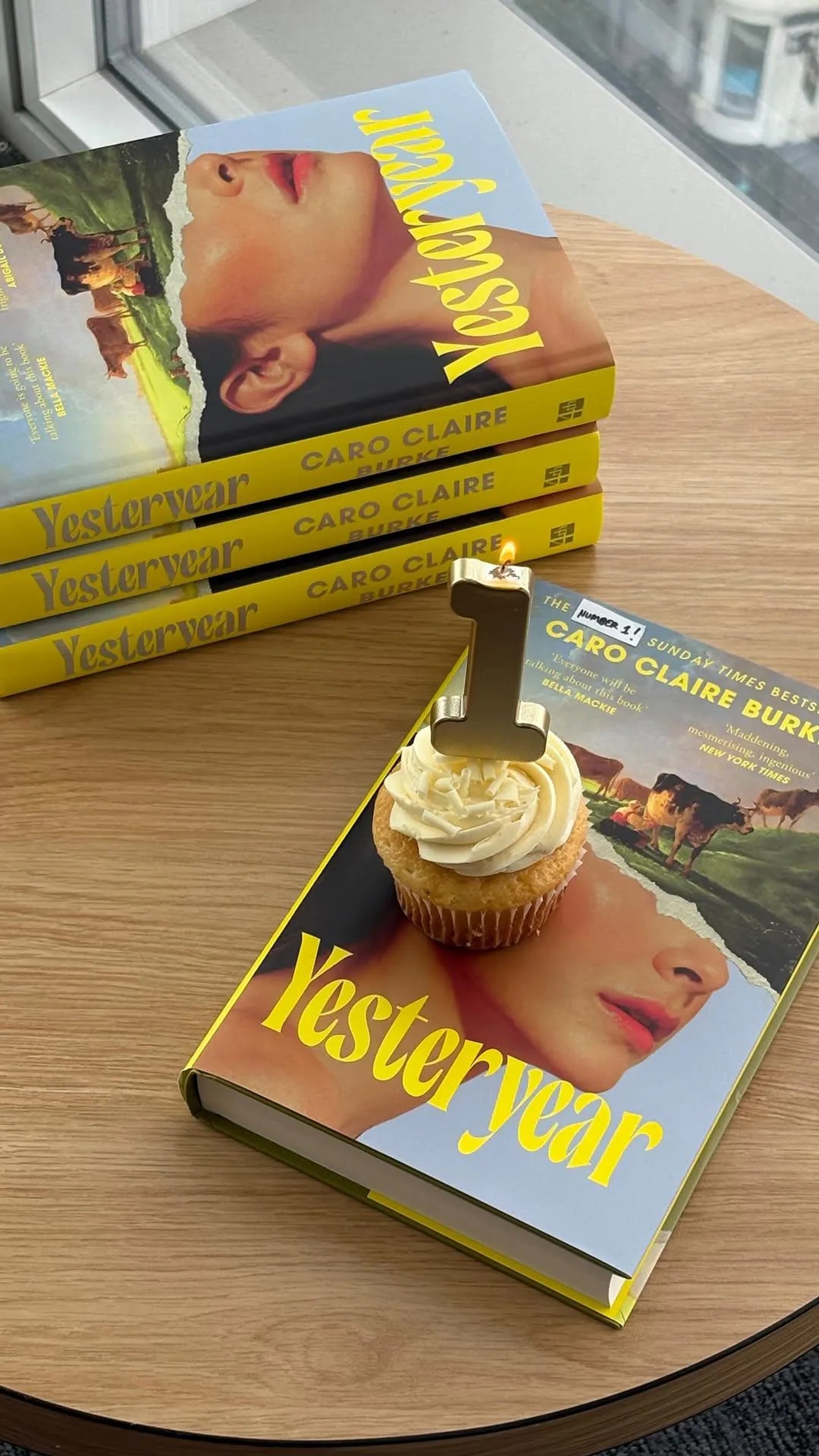
Still, Yesteryear is an impressive debut precisely because it refuses to be neat.
It is satire, psychological thriller, social commentary and, at times, something closer to horror. But perhaps its most effective trick is making us question our own appetite for the lives we consume online. We know the images are curated. We know the perfection is manufactured. And yet we continue to watch.
Natalie simply takes that performance to its most extreme conclusion.
Verdict: Yesteryear is clever, provocative and thoroughly of the moment. It won't give you a tidy answer about womanhood, tradition or the influencer economy — but it will leave you thinking about them long after you've turned the final page.
Recent stories by:
Sindeka Mandoyi

When South African heritage becomes fashion: The FIX x Lucky Star

How to maintain your workout routine while travelling

Celebrating literacy month: Organizations empowering young readers

Finding purpose one step at a time: A conversation with the Cape Town Running Late Club


