
In a world where so much of life revolves around work and home, there's something quietly powerful about having a place that exists somewhere in between. It's where conversations happen naturally, friendships are formed, ideas are exchanged and communities take shape. Sociologists call these "third places"—and they're more important than ever.
Coined by American sociologist Ray Oldenburg in his 1989 book The Great Good Place, the term describes the social spaces we spend time in outside of our first place (home) and second place (work or school). These are the places where people gather not because they have to, but because they want to.

@talkingcities Affordability is often missing from the third places conversation, but it’s one of the most important parts #urbanplanning #urbandesign #walkability ♬ original sound - TalkingCities
What is a third place?
Third places are informal public spaces that encourage connection. They aren't defined by how much money you spend or how long you stay. Instead, they're characterised by a sense of belonging.
Think of your favourite coffee shop where the barista knows your order, the neighbourhood library, a local park, a book club, a community centre, a sports club or even a weekly market. For some, it might be a church, a hair salon or a neighbourhood gym. These spaces become part of our routines, offering familiarity and comfort outside the responsibilities of everyday life.
Unlike home, where we often focus on family responsibilities, or work, where we're expected to perform, third places allow us to simply exist.
Why are third places so important?
They combat loneliness
Despite being more digitally connected than ever, many people report feeling increasingly isolated. Social media offers connection, but it rarely replaces face-to-face interaction.
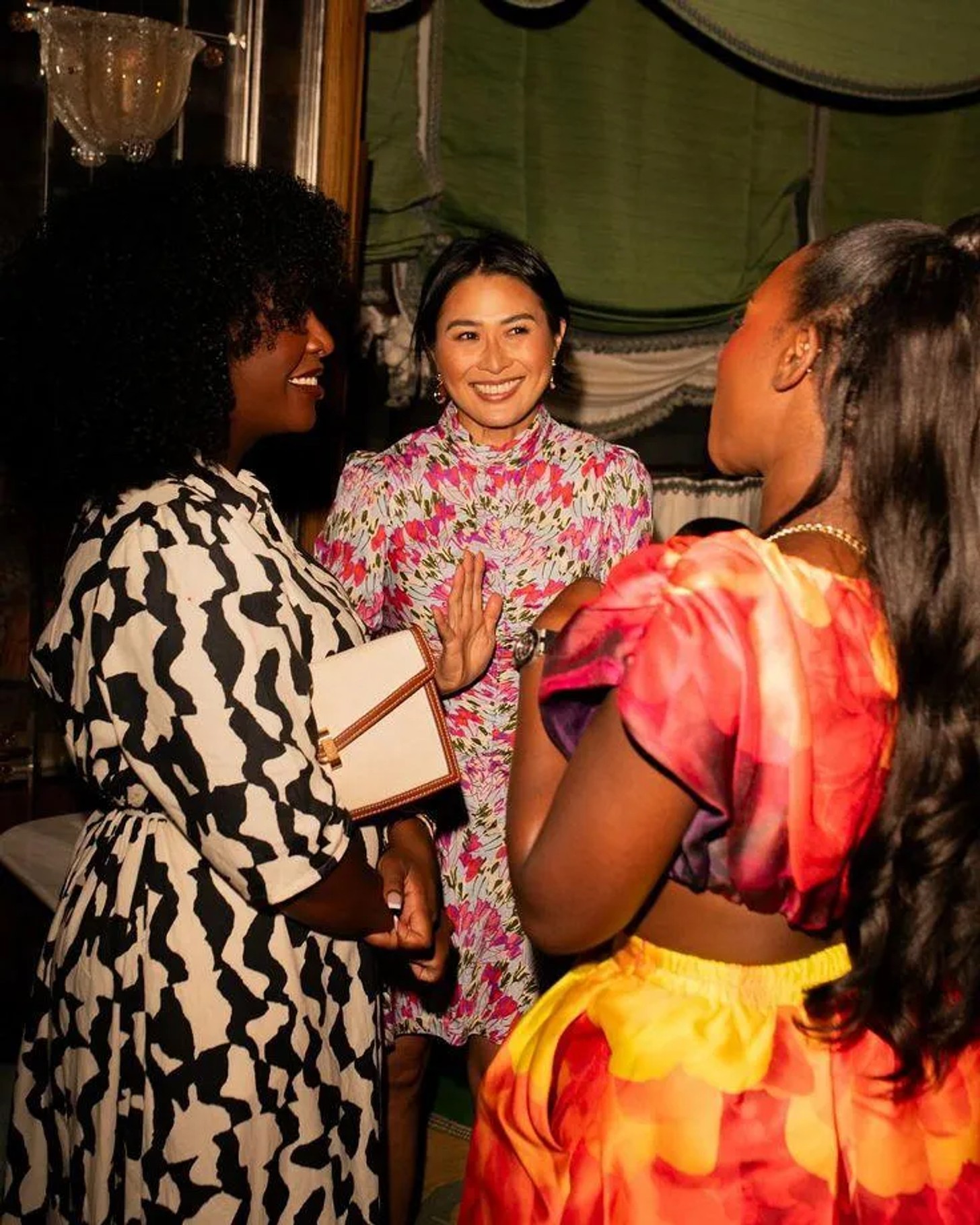
Third places create opportunities for spontaneous conversations—a quick chat while waiting for coffee, a familiar face during a morning walk or a discussion with fellow readers at a book club. These small interactions contribute significantly to our sense of belonging.
They strengthen communities
Communities don't become strong by accident. They grow through repeated interactions and shared experiences.
When neighbours meet regularly in local spaces, trust develops. People are more likely to support local businesses, volunteer, help one another and feel invested in the wellbeing of the community.
This sense of connection can also foster greater empathy across different generations, cultures and backgrounds.
They support mental wellbeing
Having somewhere to go that isn't tied to work or home can provide a much-needed mental reset.
Research consistently links strong social relationships with lower stress levels, improved mental health and greater life satisfaction. Simply spending time in welcoming environments where people feel accepted can reduce feelings of anxiety and improve overall wellbeing.
Sometimes, the act of being around others—even without actively socialising—is enough to make us feel less alone.
@mxchaelhe I genuinely think the third place is something that’s lacking in a lot of people’s lives. Although there are places like coffee shops, malls, etc.. You typically have to spend money, which sort of defeats the meaning of a third place. But maybe the real third place was the friends we made along the way. What’s your third place? #homecafe #thirdplaces ♬ Like This (Lofi) - ProdByDave
They spark creativity
Some of the world's best ideas haven't come from boardrooms but from conversations in cafés, parks and community spaces.
Third places encourage informal discussions where people from different professions and backgrounds exchange perspectives. Without the pressure of meetings or deadlines, creativity often flourishes naturally.
They create opportunities for everyone
One of the defining features of a true third place is accessibility.
Ideally, these spaces welcome people regardless of age, profession or income. A retiree, a student, a parent and an entrepreneur can all occupy the same space, creating interactions that might never happen elsewhere.
This diversity helps break down social barriers and strengthens community ties.
Why third places matter now
The way we live has changed dramatically. Remote work has reduced many of the casual interactions that once happened in offices. Rising living costs mean people are spending more time at home, while increasing screen time has shifted many relationships online.
As a result, genuine community spaces have become more valuable than ever.
Across South Africa, initiatives like community libraries, reading clubs, neighbourhood markets, youth centres and cultural hubs are quietly filling this gap by giving people places to gather, learn and connect.
These spaces remind us that community isn't built through algorithms or notifications—it's built through shared experiences.
Recent stories by:
Sindeka Mandoyi

When South African heritage becomes fashion: The FIX x Lucky Star

How to maintain your workout routine while travelling

GLAMOUR’s Digital Content Producer reviews Yesteryear by Caro Claire Burke

Celebrating literacy month: Organizations empowering young readers


