
When Cape Town artist and entrepreneur Nelia Annandale was diagnosed with primary cancer in both breasts in November 2017, she had little reason to suspect that the subtle changes she had noticed in her nipples were signs of something more serious. She attributed them to menopause and had previously tested negative for a BRCA1 mutation, despite a family history of breast cancer.
Further investigations revealed stage 2 cancer in both breasts. Just over two weeks later, Annandale underwent a bilateral mastectomy, beginning a journey that would change her relationship with her body, her understanding of survivorship and, ultimately, her art.

“One of the first things I did when I could move my arms again was paint,” she says. “I painted my breasts, with a white dove resting on my shoulder, and added the words, ‘It cannot undo joy.’ It gave me a way to work through what had happened and to express things that were difficult to put into words.”
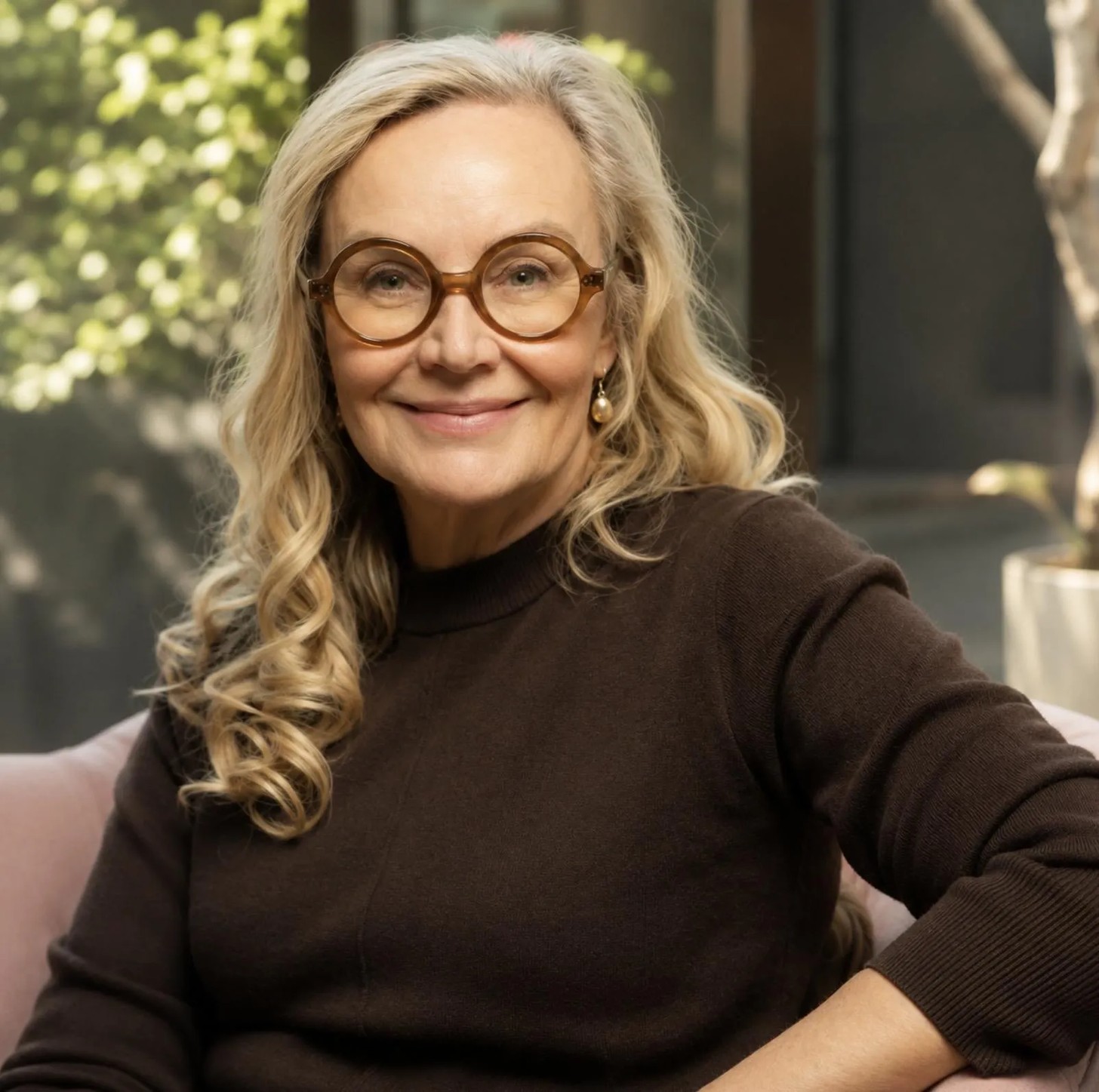
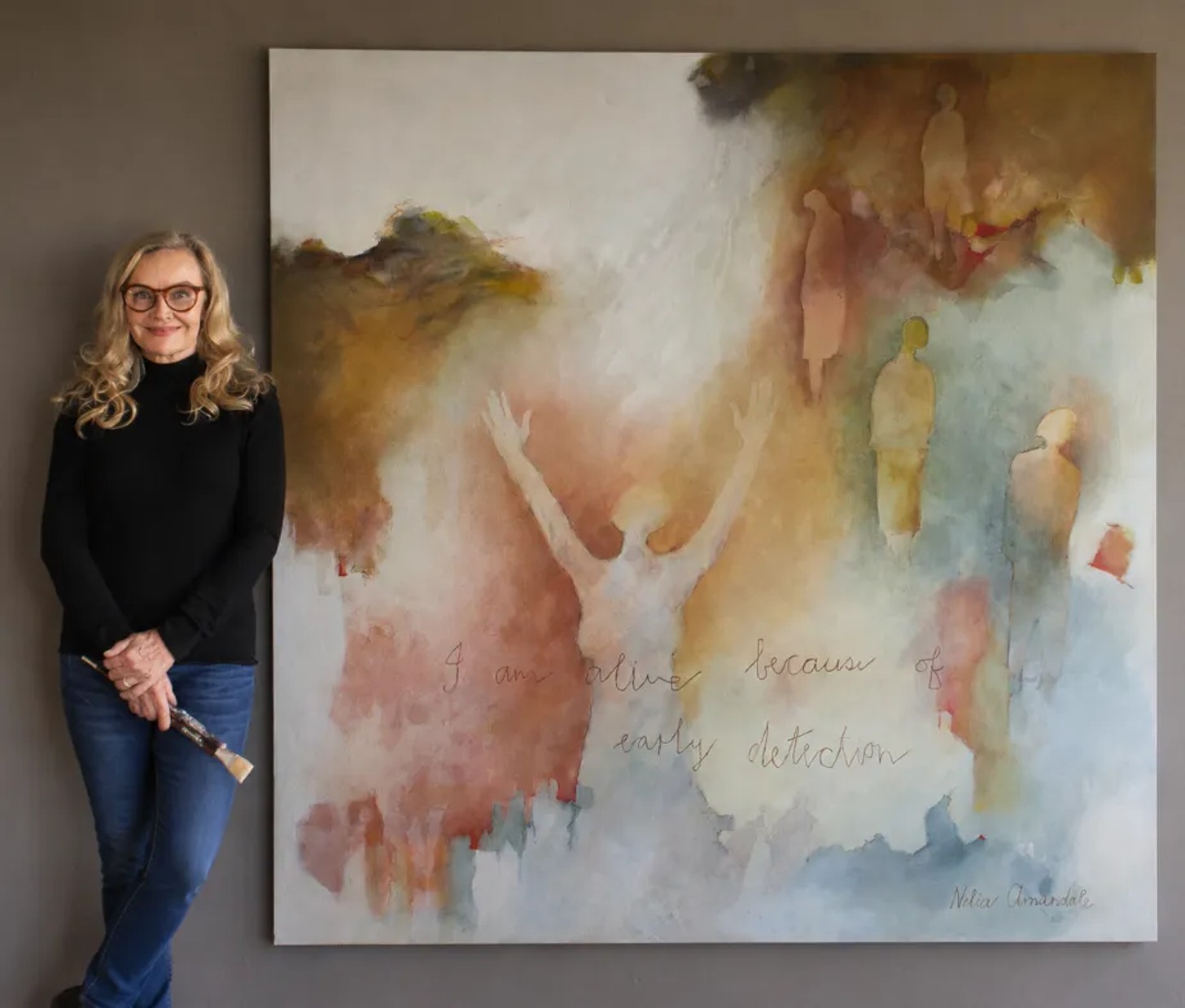
More than eight years later, Annandale remains in remission. Her experience has become central to her artistic practice, with her work exploring breast cancer, recovery and the lives that continue beyond a diagnosis. In Five Moments, five figures represent different experiences following a breast cancer diagnosis, with Annandale depicted as the central figure reaching towards the light. At the heart of the painting are the words: “I am alive because of early detection.”
Her story highlights an important distinction in the breast cancer conversation: knowing that early detection matters and recognising when to seek medical advice are not always the same thing. Although most breast changes are not cancer, changes that seem unusual should be assessed by a healthcare professional. Screening also remains important because breast cancer can be present before there are noticeable signs or symptoms.
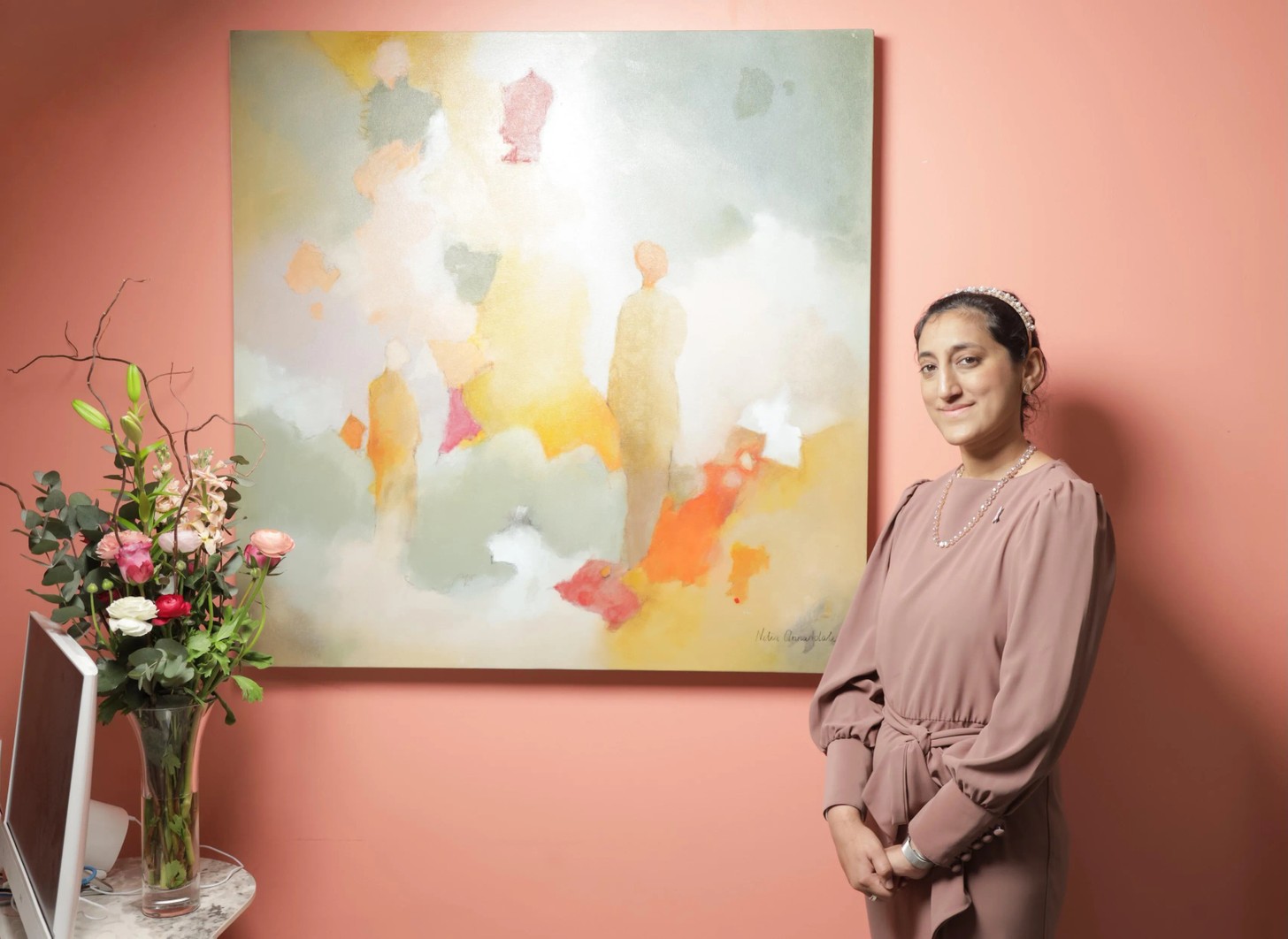
“Most breast changes are not cancer, so there is no reason to assume the worst when something changes,” says Dr Fatima Hoosain, a surgeon with a particular interest in breast and thyroid health. “What matters is having that change properly assessed and understanding what, if anything, needs to happen next.”
Annandale's experience also challenges the assumption that a negative BRCA1 result means someone cannot develop breast cancer. Genetic testing can identify certain inherited risks, but a negative result does not eliminate the possibility of a diagnosis.
Today, the years since her diagnosis have brought milestones she once could not have taken for granted, including becoming a grandmother, travelling, cycling and leaving the corporate world in 2023 to pursue art full-time.
“Early detection is not an abstract message to me. It is the reason I have lived these additional years,” she shares.
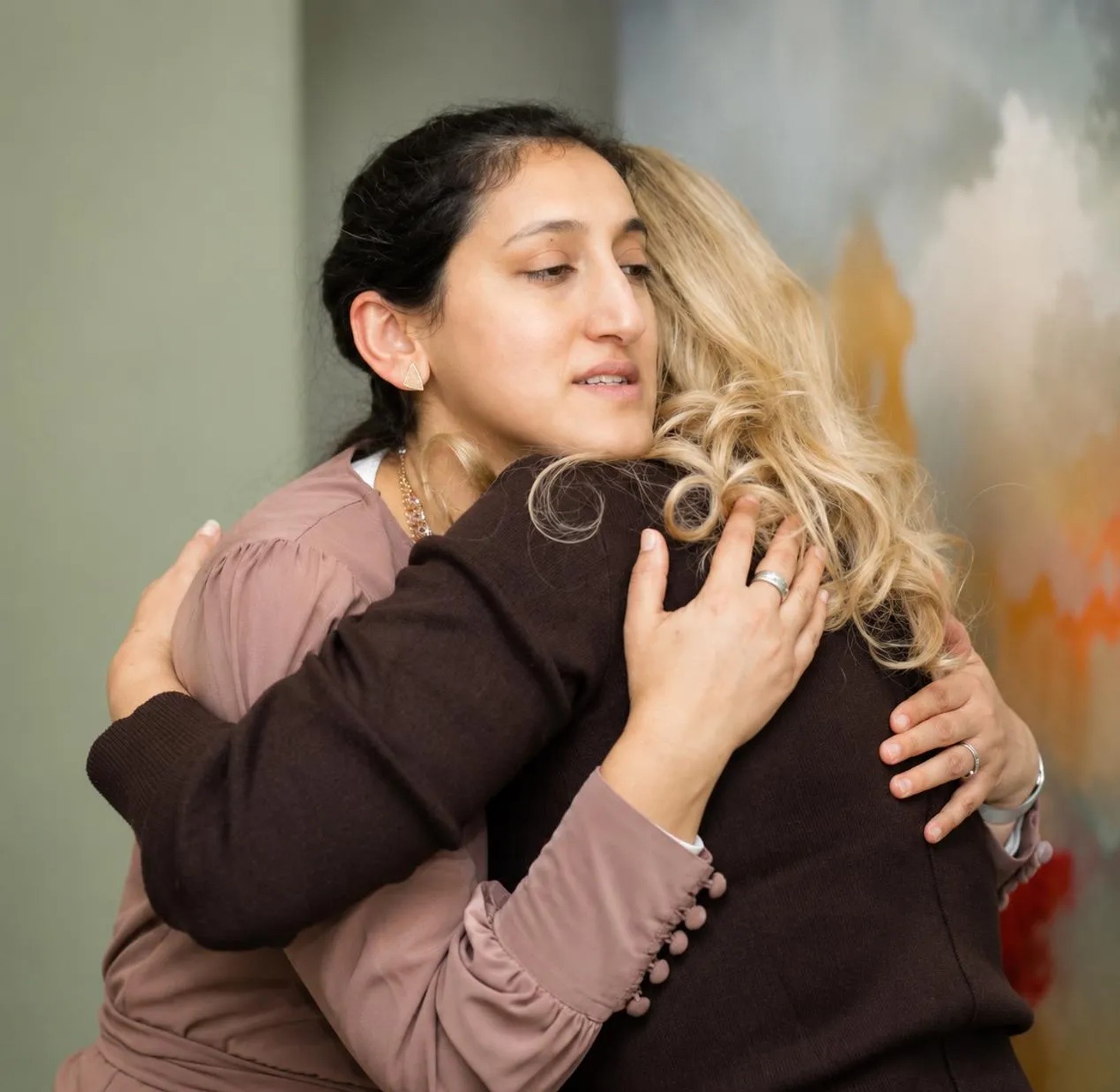
For Hoosain, this is what makes early detection so significant beyond the clinical benefits of diagnosis and treatment. It can mean more treatment options, potentially less extensive treatment and, crucially, more time to live beyond cancer.
“When we say early detection saves lives, we should also remember what those lives contain. There are families, careers, relationships, plans and ordinary days behind every survival statistic. That is ultimately what we are trying to protect.”
Recent stories by:
Sindeka Mandoyi

Former Miss SA Mia le Roux ties the knot in Anel Botha wedding gown

Olivia Dean is coming to South Africa for Milk + Cookies Festival 2027

South African children’s books worth adding to your reading list

10 Things we’re Romanticising as we head into summer


