
There is something undeniably powerful about watching two women who are already forces in their own right come together and create something bigger than the sum of their individual careers. MaWhoo and Lwah Ndlunkulu, now known as the Zulu Queens, have done exactly that with their joint album, Isithembu.

The 15-track project sees the powerhouse vocalists stepping into Maskandi, bringing their distinct voices to a genre deeply rooted in Zulu culture, storytelling and tradition. What makes the project particularly exciting is that neither artist needs the other to validate her place in South African music. MaWhoo has carved out her own lane with her smooth, emotive vocals, while Lwah Ndlunkulu is known for her powerful, distinctive sound. Together, their voices create an intriguing balance between contemporary and traditional.

Rather than treating Maskandi as simply an aesthetic, Isithembu embraces the genre while allowing room for modern influences. The result is a project that feels respectful of where Maskandi comes from while also exploring where it can go.
The album features an impressive line-up of artists, including young talent Feza, legendary female duo Izingane Zoma, Maskandi heavyweight Mthandeni SK and musical genius Siya Ntuli. Bringing these artists together adds another layer to the project, creating a meeting point between different generations and interpretations of Maskandi.
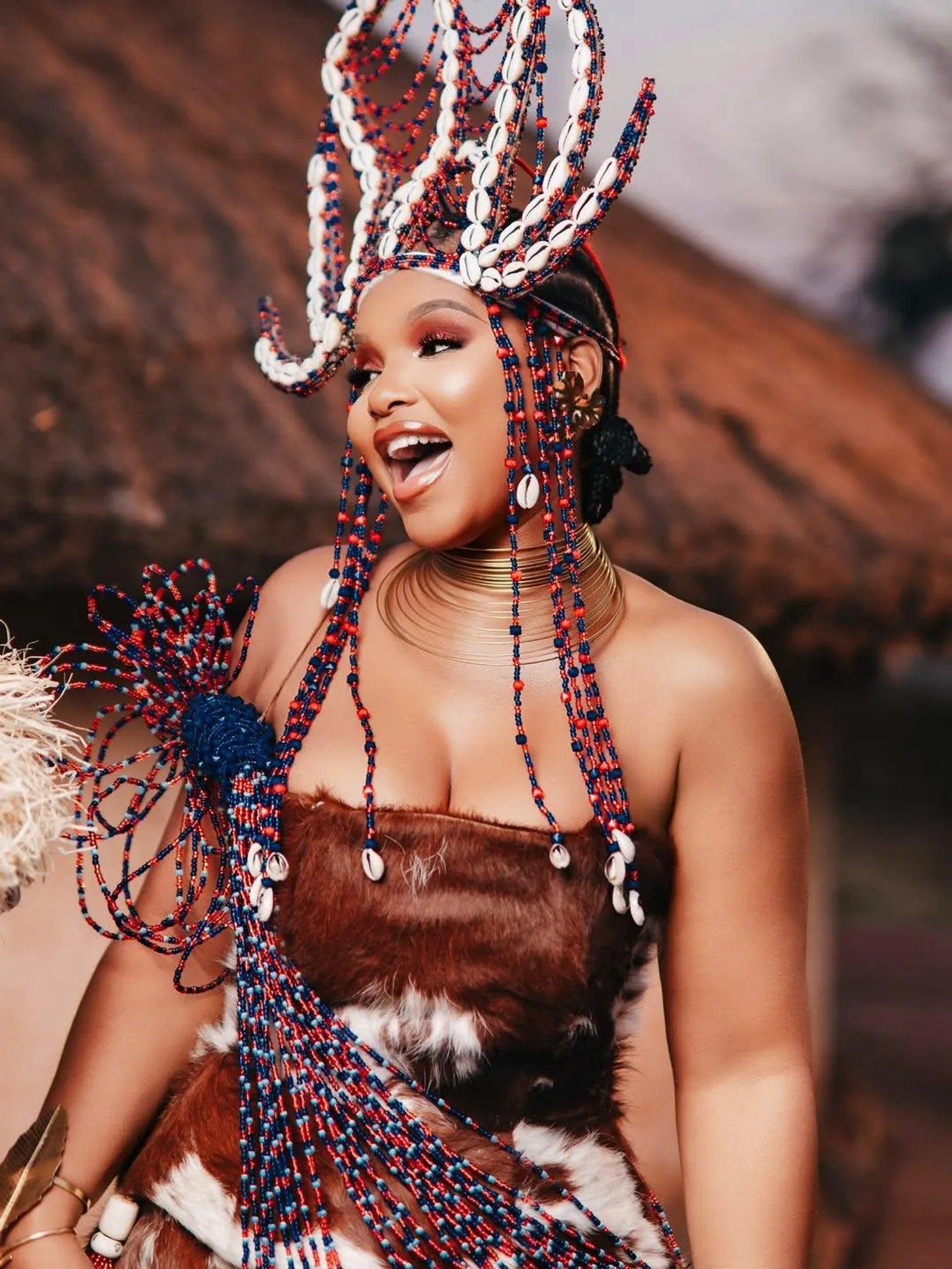
“Distance,” featuring Feza, is an early standout. The collaboration allows all three vocalists to shine, with MaWhoo and Lwah Ndlunkulu’s chemistry complemented by Feza’s contribution. It is a fitting introduction to the world the Zulu Queens have created.
Elsewhere, tracks such as “Woolies” featuring Mthandeni SK and “Phephela” featuring Siya Ntuli further demonstrate the duo’s ability to work within the traditional framework of Maskandi while retaining their individual identities.
But perhaps the most significant part of Isithembu is what it represents. Maskandi has historically been a male-dominated genre, making the decision by two established female vocalists to enter the space together more than a creative experiment. It is a statement.
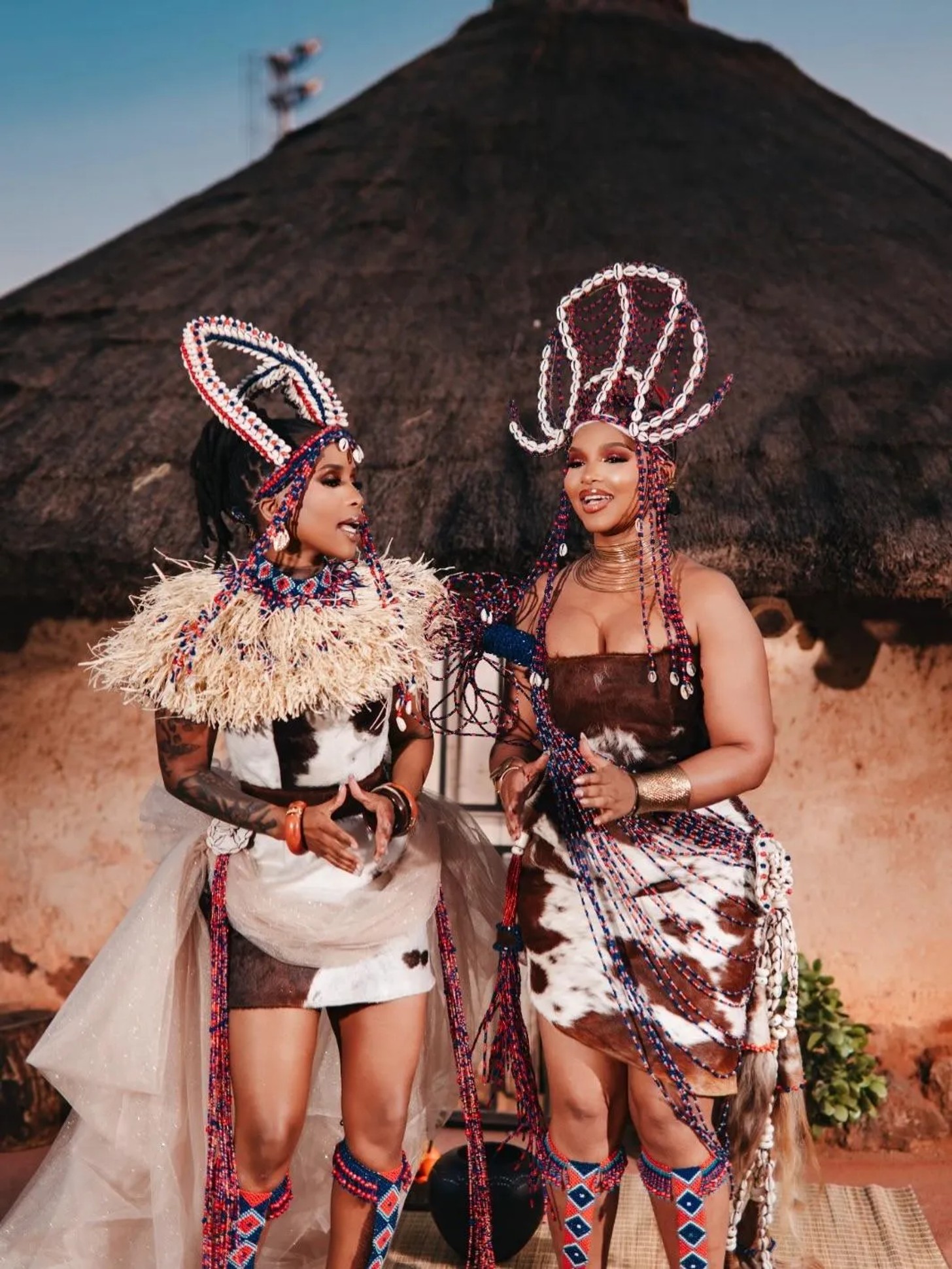
There is something equally powerful about the sisterhood at the centre of the project. Instead of positioning successful women against one another, MaWhoo and Lwah Ndlunkulu have chosen to build together. Isithembu becomes a celebration of women supporting women, heritage being carried forward and a genre making room for new voices.
The Zulu Queens are not trying to replace what came before them. They are adding to it.
And that is what makes Isithembu such a significant moment for South African music: two powerhouse women with established identities stepping into a traditionally male-dominated sound and making it unmistakably their own.
Recent stories by:
Sindeka Mandoyi

Megan Thee Stallion shares her Victoria’s Secret show workout routine, and we’re taking notes

Cardi B’s Tiny Desk performance proves her star power is undeniable

Manana performs ‘Remember Me’ with Cynthia Erivo at the Hollywood Bowl

Best morning workouts to start your day with more energy

Uncle Waffles set to perform at Gallo 100 centenary music festival in Cape Town
GLAMOUR Recommends
New Music Friday: Rowlene unpacks love and heartbreak on her new album " Some Strings Attached"
SAMA32: Winners, fashion moments and highlights from the 2026 South African Music Awards
Tyla takes over Gold Reef City and brings her A*POP era to life
Tired of your boyfriend taking bad photos? Here’s how to train him
Ayra Starr releases star-studded 16 track album Starrgirl featuring Wizkid, Zayn, KWN and more
DJ Zinhle brought the Cowboy energy to Zee Nation Fest 2026
DJ Zinhle returns to her roots with self-titled EP ZINHLE, a celebration of African dance music
Rihanna returns to crop over 2026 in a stunning custom Lauren Austin carnival look


